From marsh to reservoir
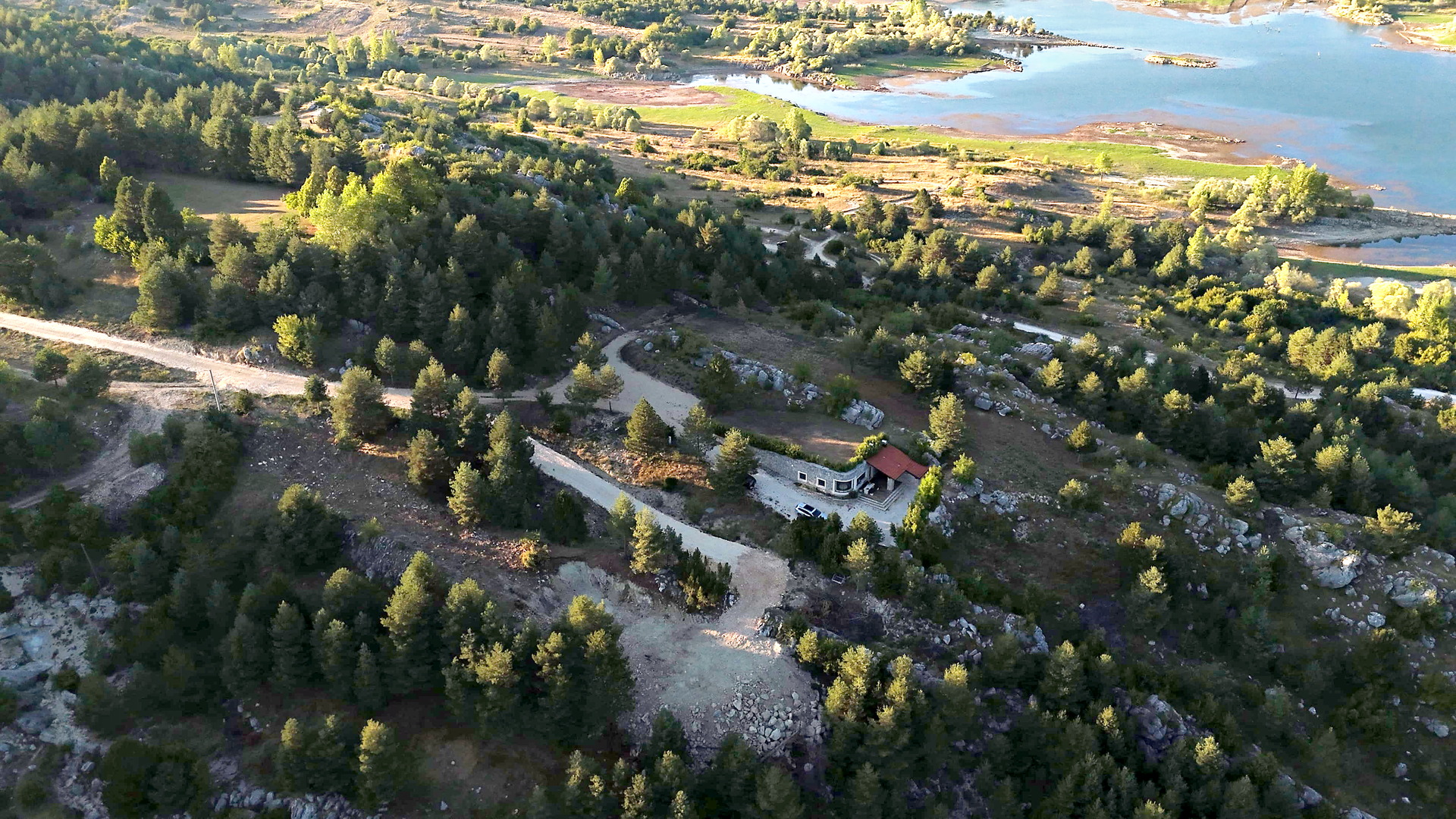
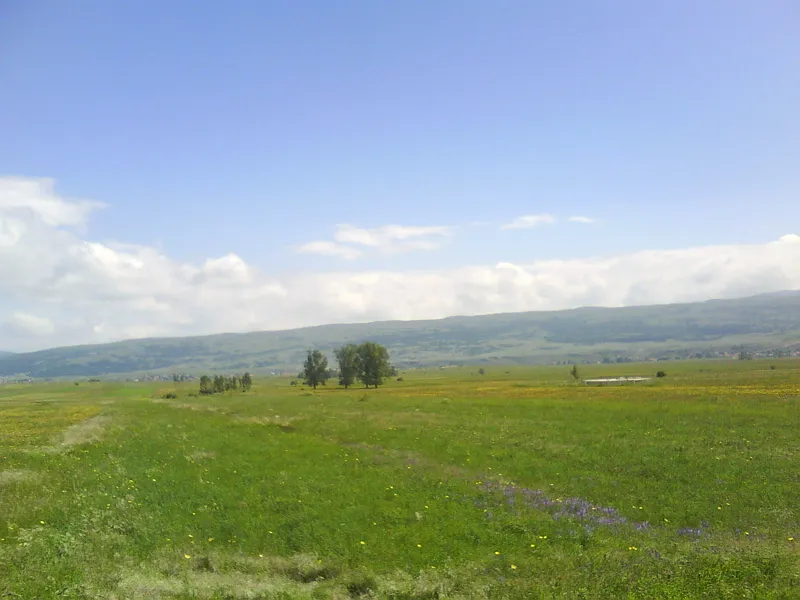
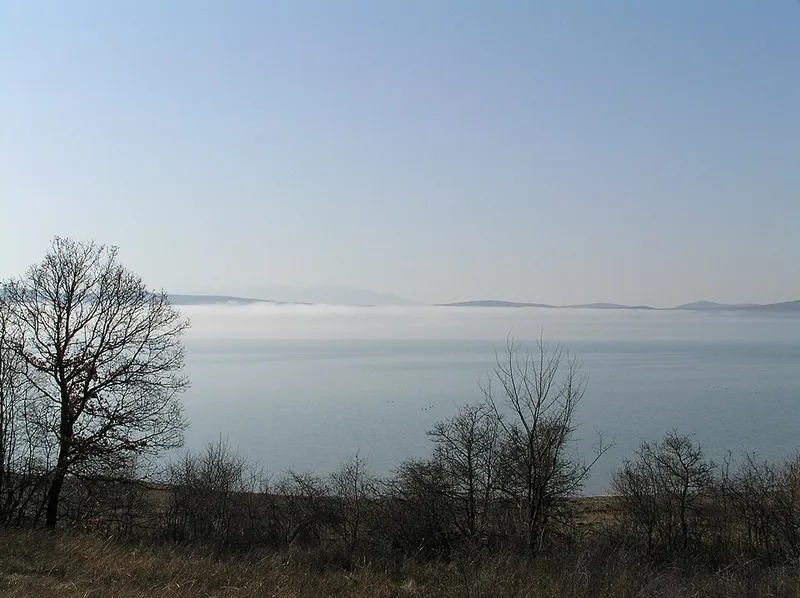
The old name reveals what used to be here: blato means mud or marsh. Before the lake there was an intermittent lake with marshland, from which water drained underground through many channels into streams and rivers, and until the damming the area was largely farmland.
In the 1970s Bosnia and Herzegovina and Croatia, then republics of Yugoslavia, jointly built a hydropower system. In the south-east of the polje the reservoir with its canals and the smaller basin at Lipa were created, and across the border in Ruda, Croatia, the Orlovac power plant with an output of 237 MW. It was designed mainly to supply electricity to the Dalmatian coast and its tourism. A reversible canal links Lipsko Lake with Buško Lake, which stores surplus water from the Livanjsko polje and the Bistrica. A pumping station at the Podgradina barrage moves it into the reservoir.
Water, fish and birds
The water comes from the karst: sinking rivers drain the Livanjsko, Duvanjsko and Kupreško poljes through ponors, estavelles, underground channels and karst springs. The lake holds carp, trout, nase, Prussian carp, chub, zander and wels catfish, among others. A conservation project focused on five endangered fish species of the lake and the adjoining polje, and the Dalmatian barbelgudgeon, an endangered karst species, was introduced into Buško blato.
The Livanjsko polje and the lake are designated a Key Biodiversity Area. The polje is an important site for wintering, migrating and breeding waterbirds and raptors, and many bird species live by the lake.
Swimming, wind and fishing
In summer the water is fairly warm and suitable for swimming. The shores have fine sandy beaches that also suit families with children. The lake offers good conditions for almost every sport that needs wind.
Anglers from Bosnia and Herzegovina and from Croatia come regularly to the lake for its plentiful fish, and it is also a popular outing for the people of Livno.
Surroundings and practical notes
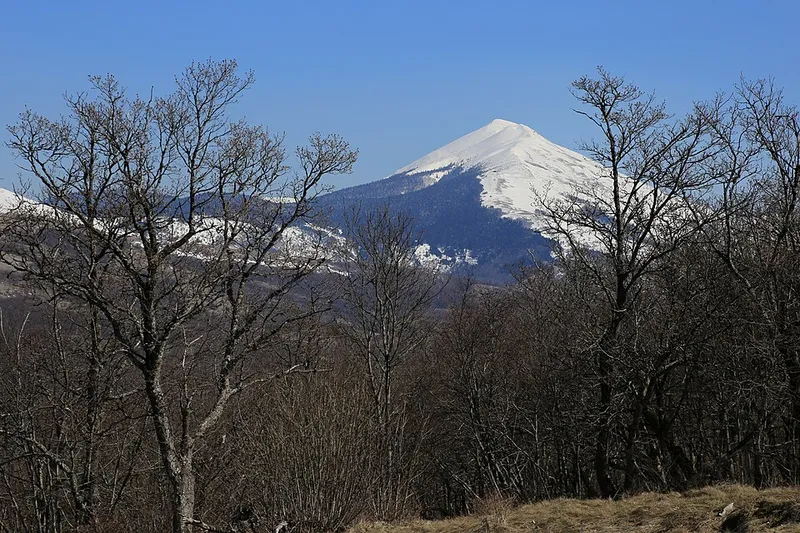
The name Buško jezero also refers to the landscape around the lake with several villages, among them Prisoje. Above the lake rises Kamešnica, which Bosnia and Herzegovina shares with Croatia. Its summit, Konj (1856 m), lies on the Bosnian side, and from the mountain the view stretches far across the lake. The mountains around the Duvanjsko polje and the lake hold more than 200 caves, pits and sinkholes, as well as hiking trails and mountain huts. According to tradition, King Tomislav was crowned in 925 in the nearby Duvanjsko polje, which is why Tomislavgrad is often called the royal town.
During and after the war of 1991 to 1995, use of the polje was heavily restricted, partly because of minefields. In rural and remote areas it is therefore wise to stay on paved roads and paths.