Nature
· Una-Sana
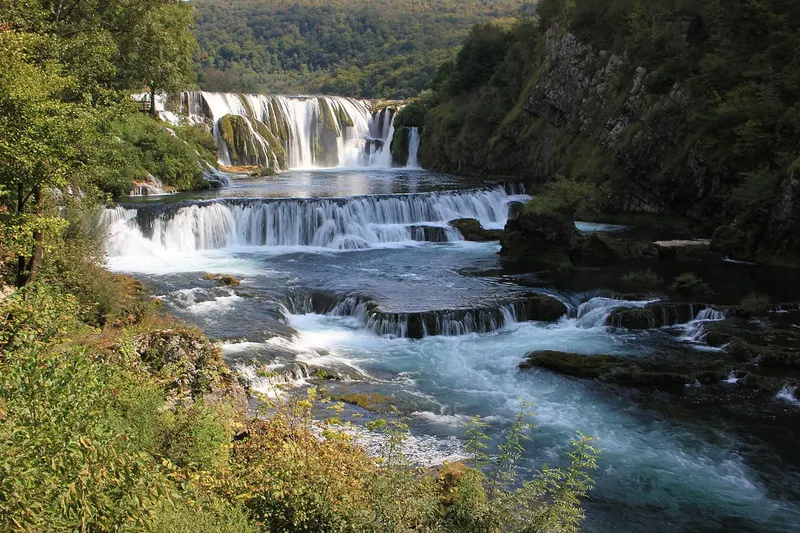
Štrbački buk (Una National Park)
Cascades of the Una river in Una National Park, up to 24 metres high. Entry fee, wooden walkways, rafting on the Una in summer.
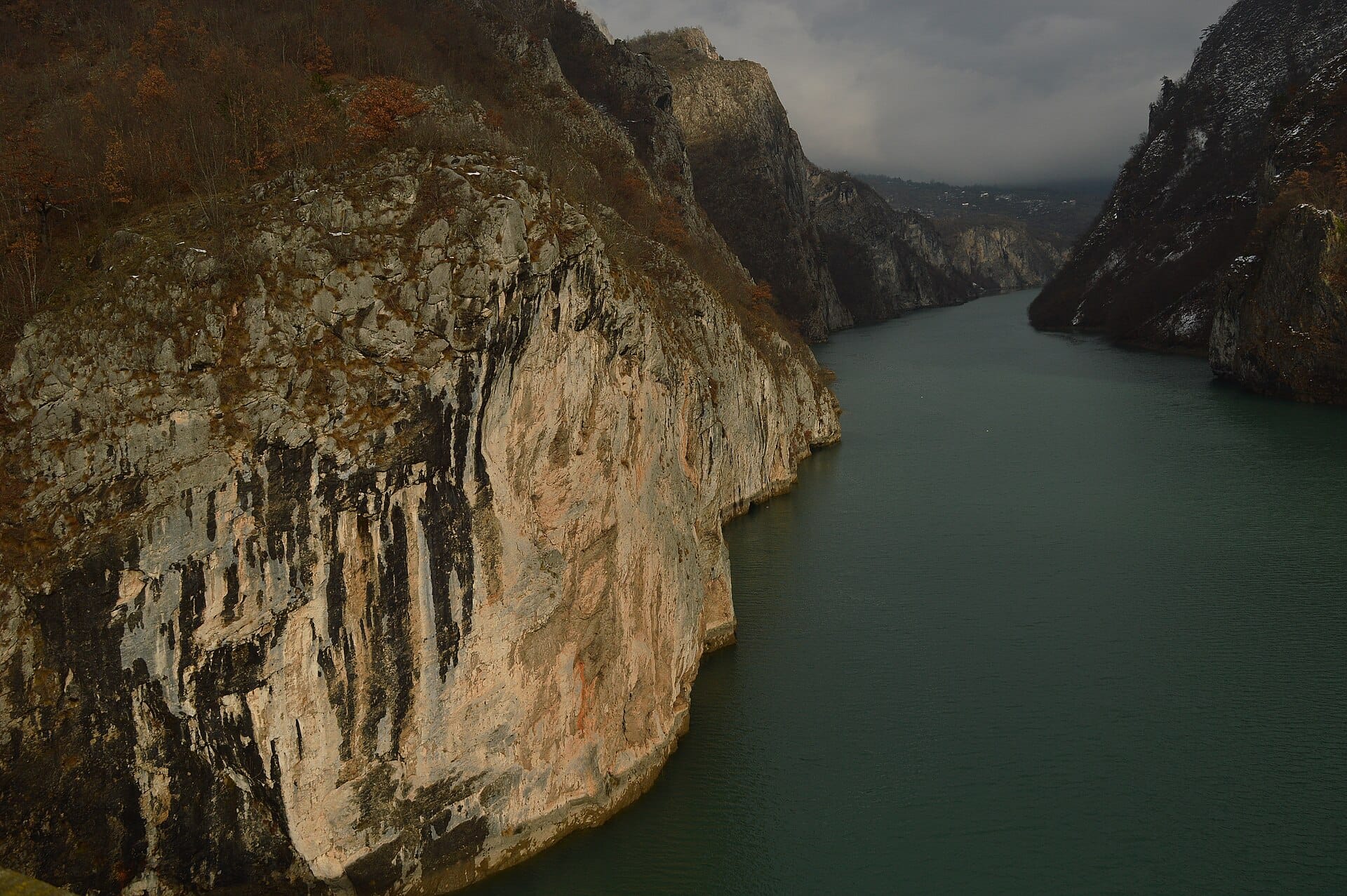
Bosnia and Herzegovina is a country of rivers and mountains. The Neretva flows through Mostar towards the Adriatic, the Una forms part of the border with Croatia near Bihać, and near Foča the Tara and the Piva meet to form the Drina. In between rise ranges such as the Zelengora, the Vranica and the Zvijezda. Sutjeska National Park is home to Maglić, the highest mountain in the country.
The Federation of Bosnia and Herzegovina is divided into ten cantons, and we sort our places by them. Republika Srpska has no cantons, so there we use the six regions from its spatial plan. Brčko District is a unit of its own. An area gets its own page as soon as it has hosts and enough places to visit.
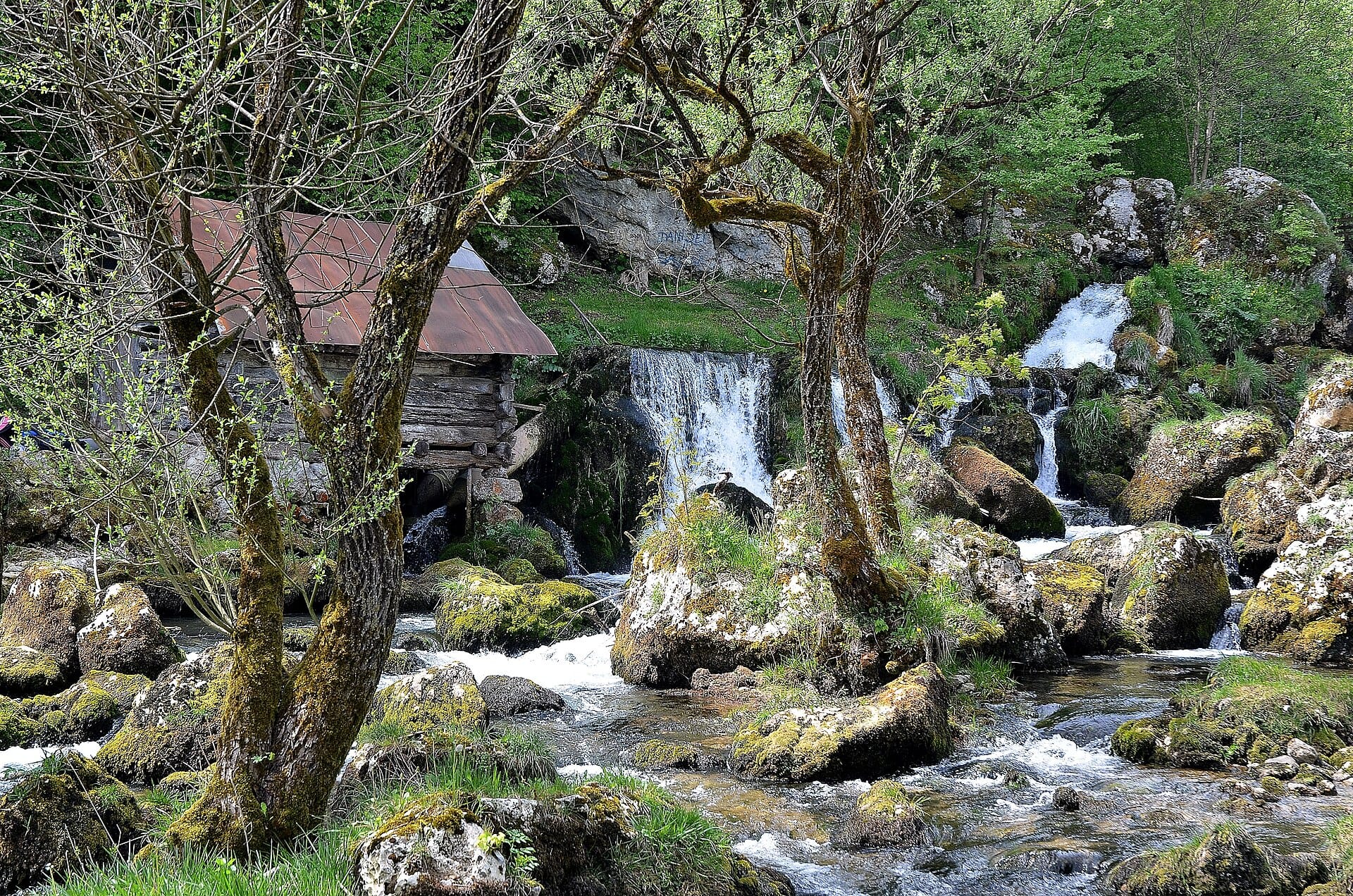
Banja Luka, the Vrbas valley and Krupa na Vrbasu
Centre: Banja Luka
1 place to stay · 13 places to visit
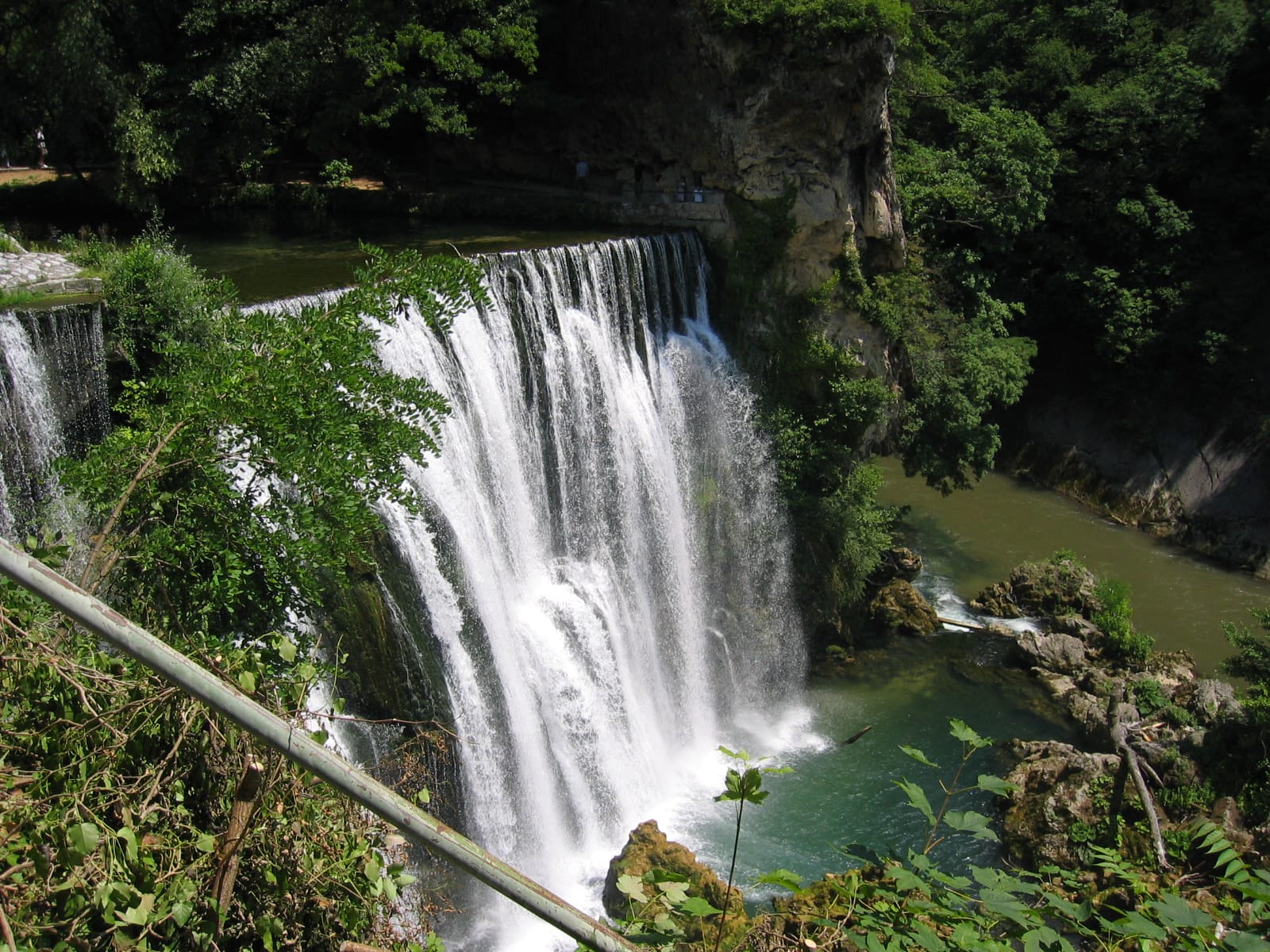
Jajce, Travnik and the Pliva lakes
Main town: Travnik
2 places to stay · 9 places to visit
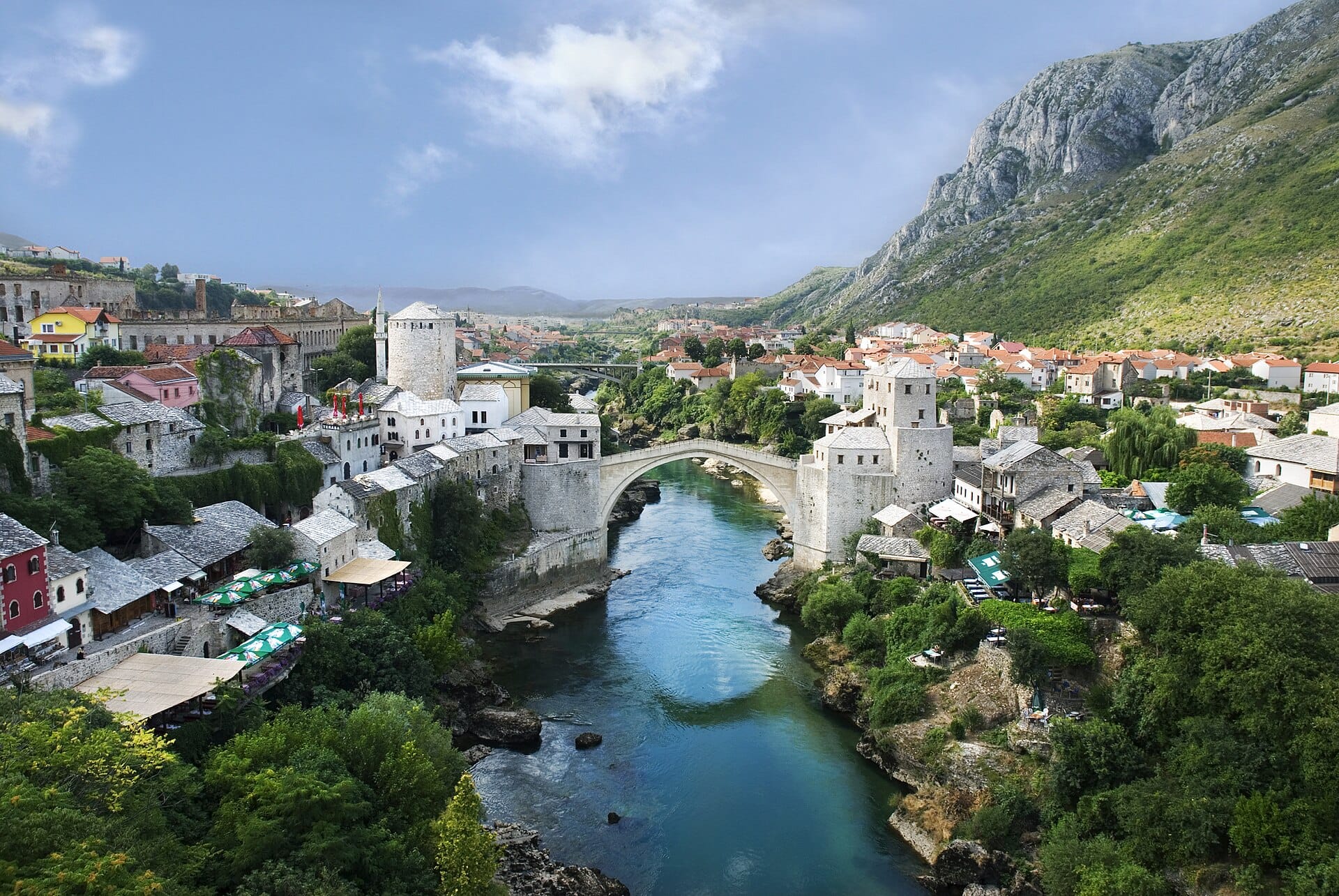
Mostar, the Neretva and Neum on the Adriatic
Main town: Mostar
4 places to stay · 18 places to visit
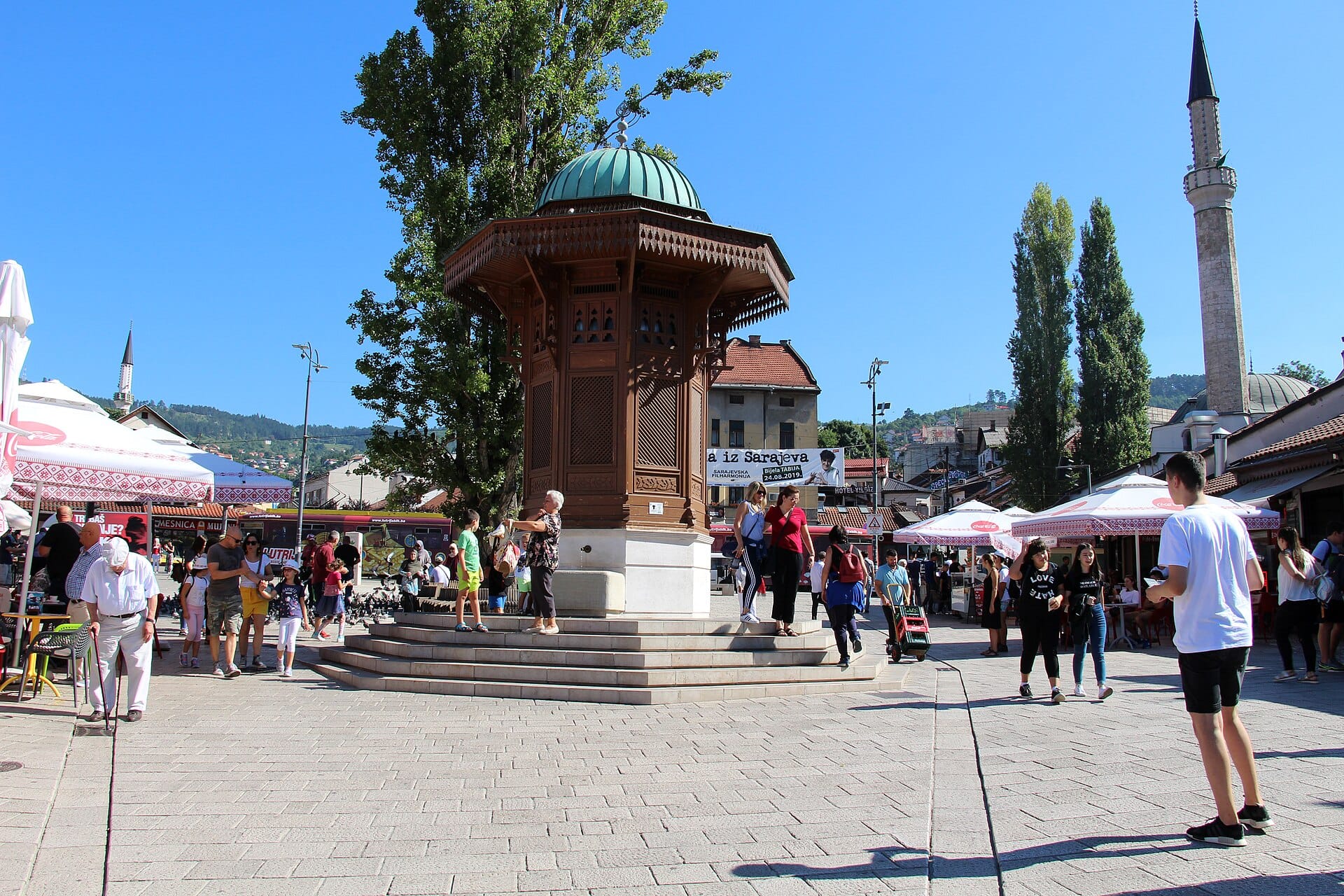
The old Baščaršija, Igman and Bjelašnica
Main town: Sarajevo
1 place to stay · 11 places to visit
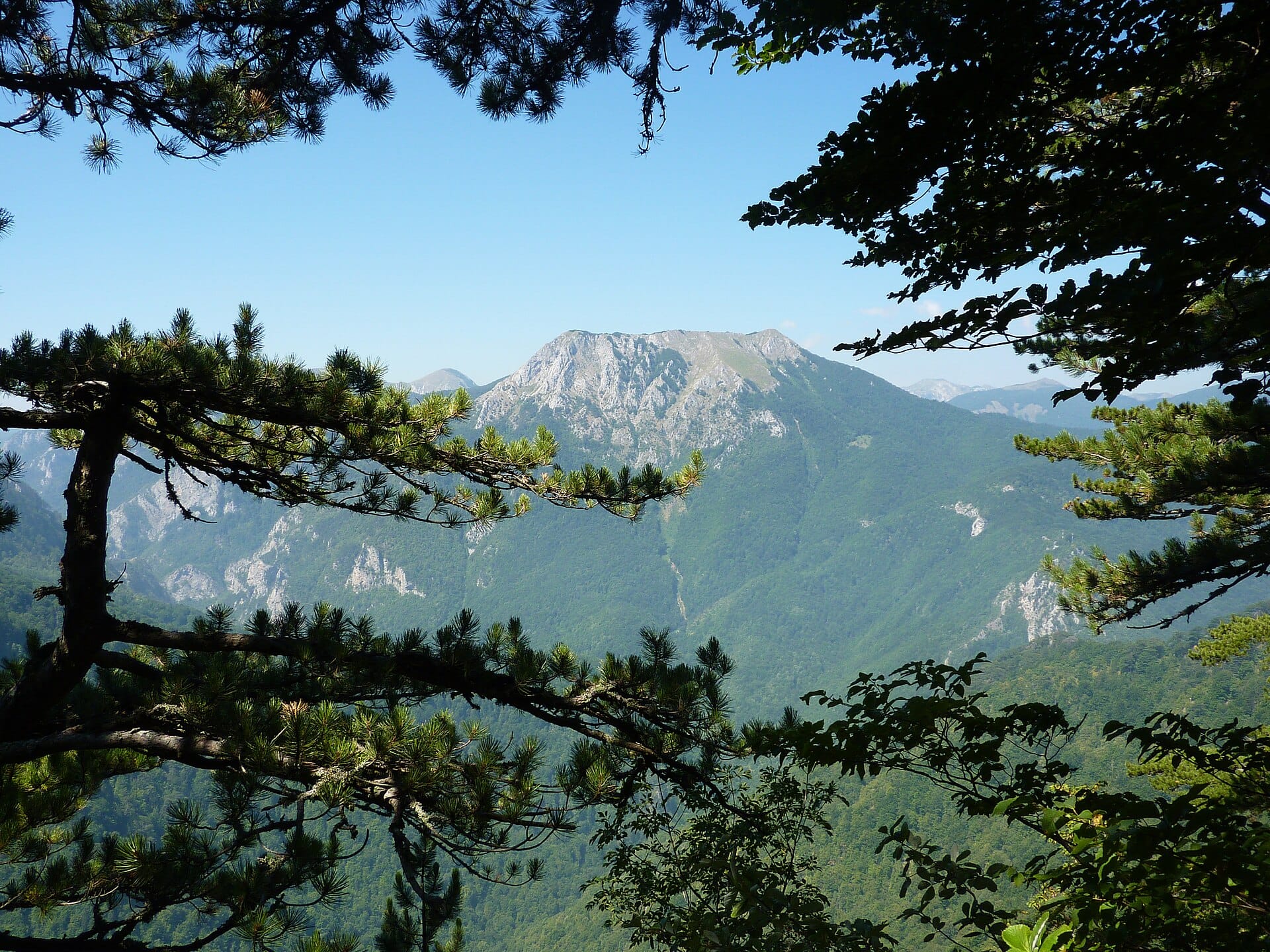
Sutjeska National Park, Trebinje and the Drina
Centre: Trebinje
2 places to stay · 16 places to visit
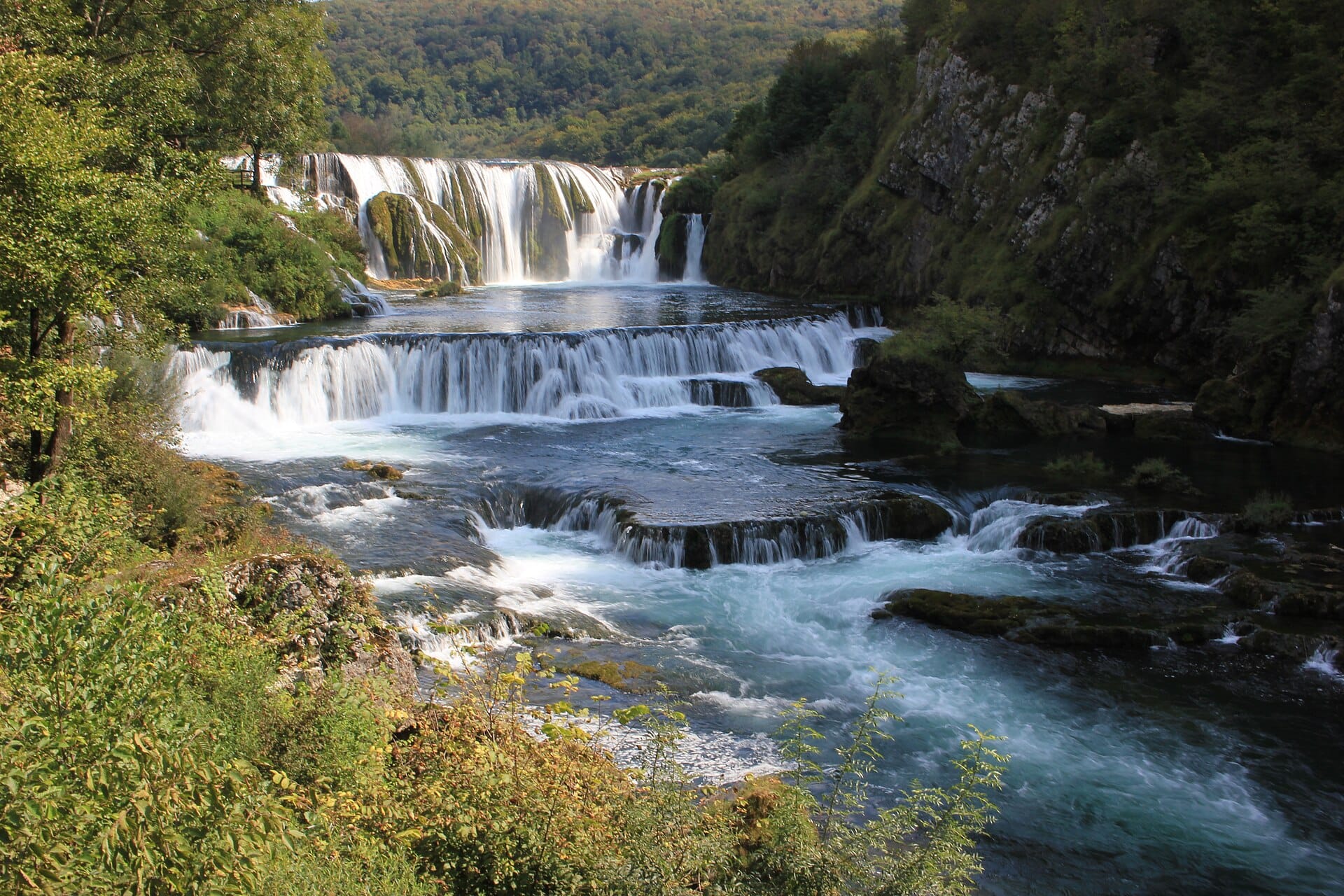
Štrbački buk, Bihać and castles on the Una
Main town: Bihać
1 place to stay · 16 places to visit
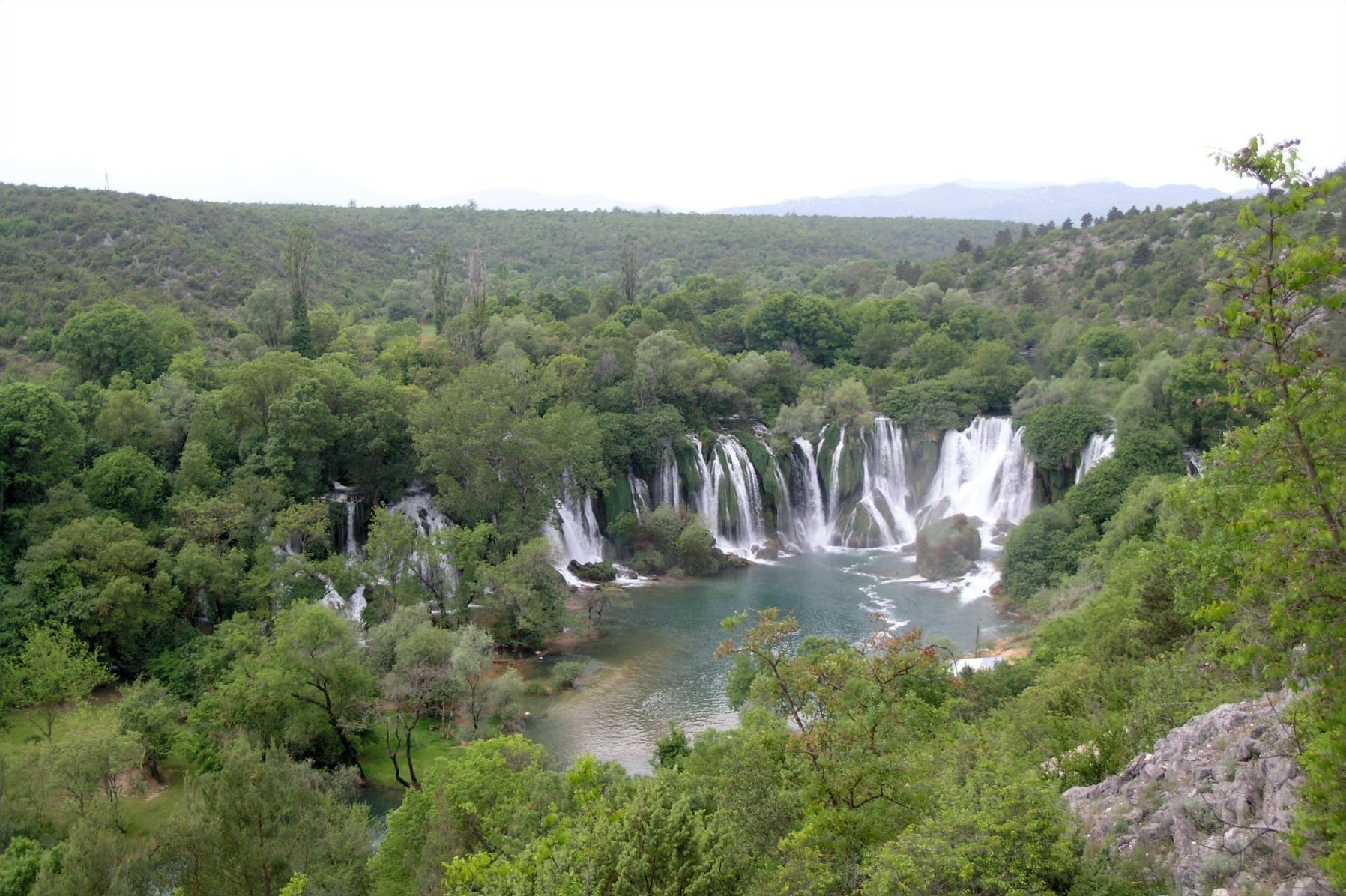
Kravica falls, Lake Tribistovo and Blidinje
Main town: Široki Brijeg
6 places to stay · 11 places to visit
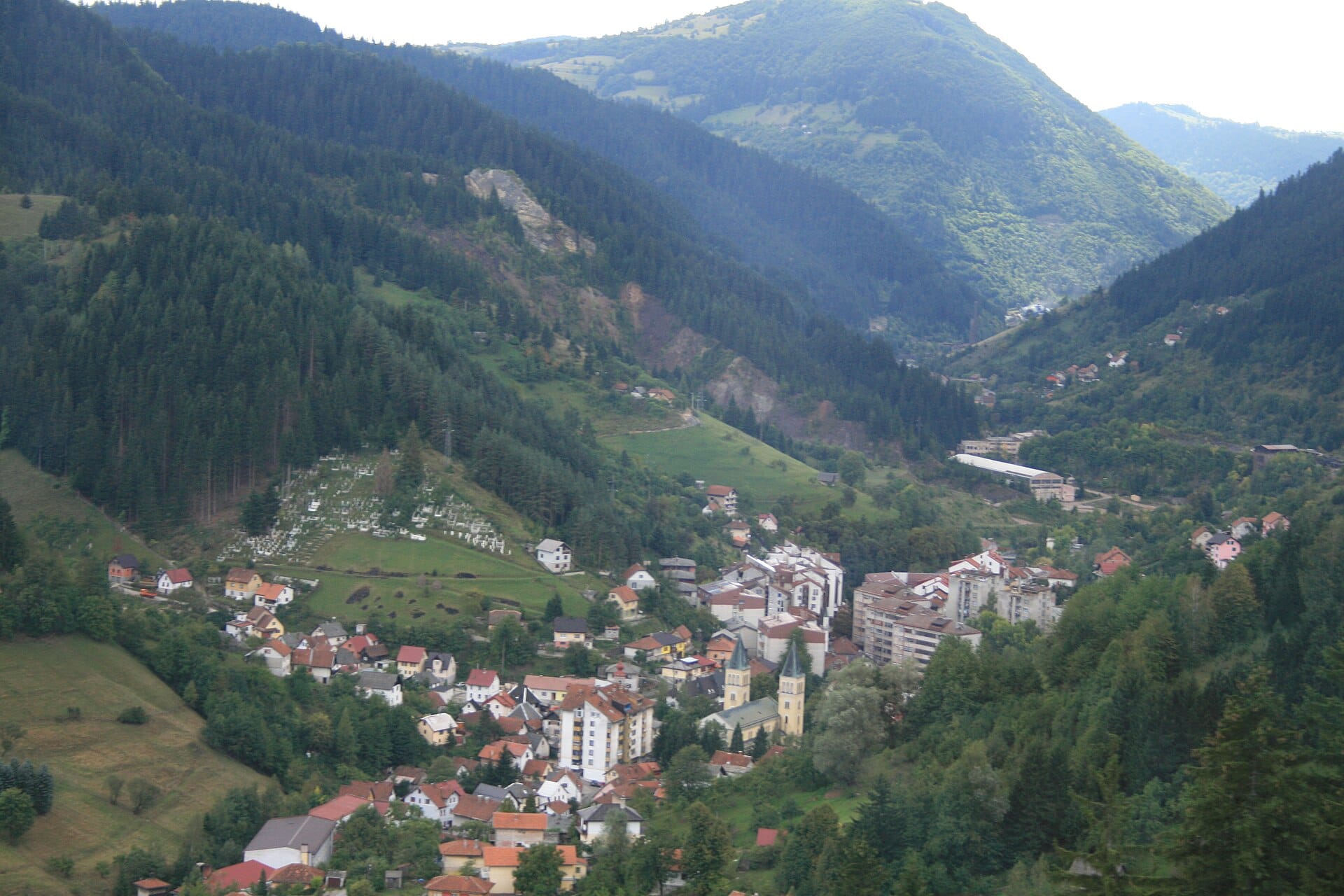
Royal Bobovac, Vranduk and the Bosna valley
Main town: Zenica
4 places to stay · 14 places to visit
The spot has passed Camplix’s internal check: details and location cross-checked, contact with the host. Every spot on Camplix goes online only after that.
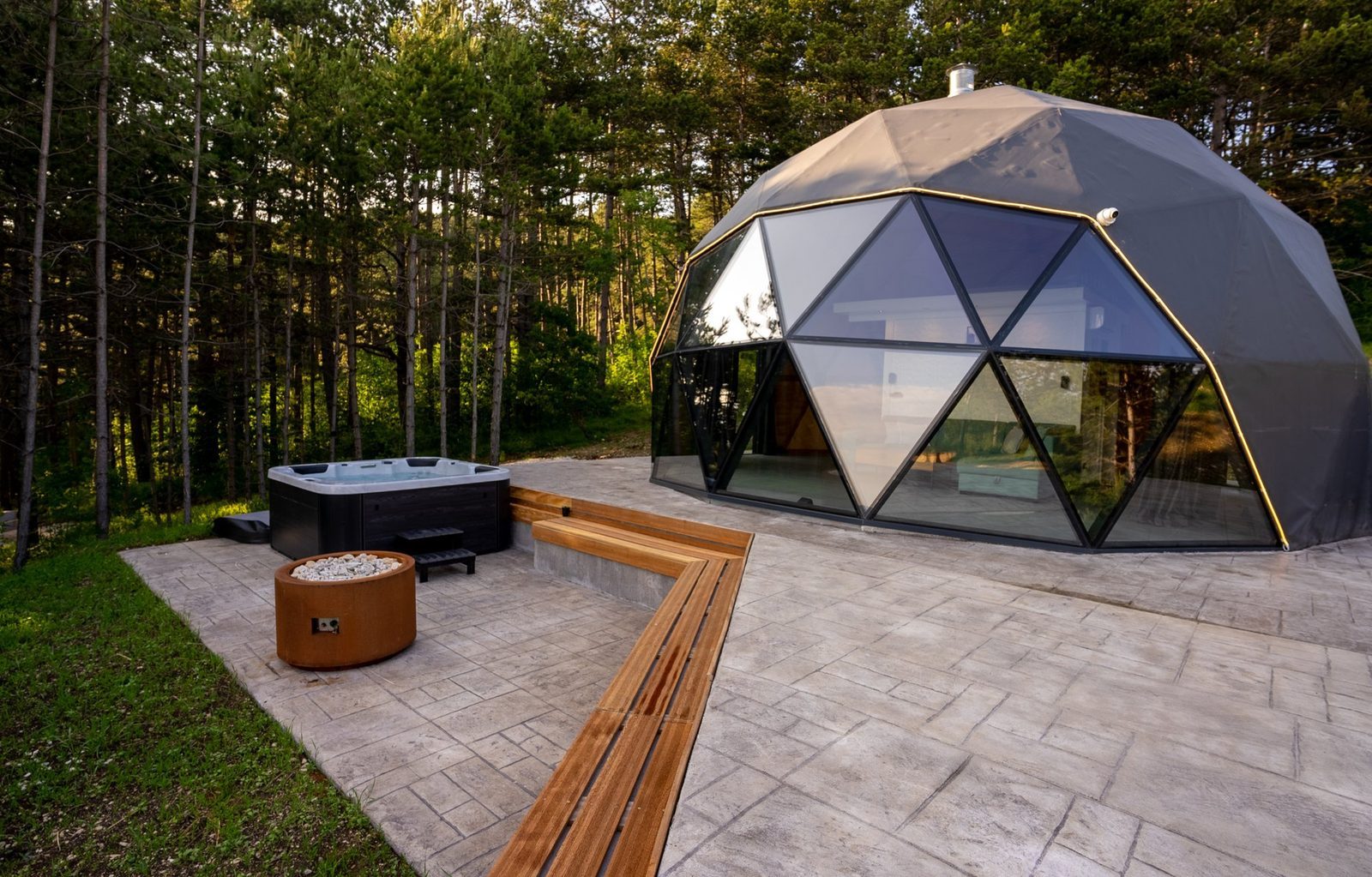 VerifiedWith Marin
Cabin (glamping)Apartment / holiday home
Canton 10
6 places to stay at the same location · With Marin
from €160 per night
Cabin (glamping)
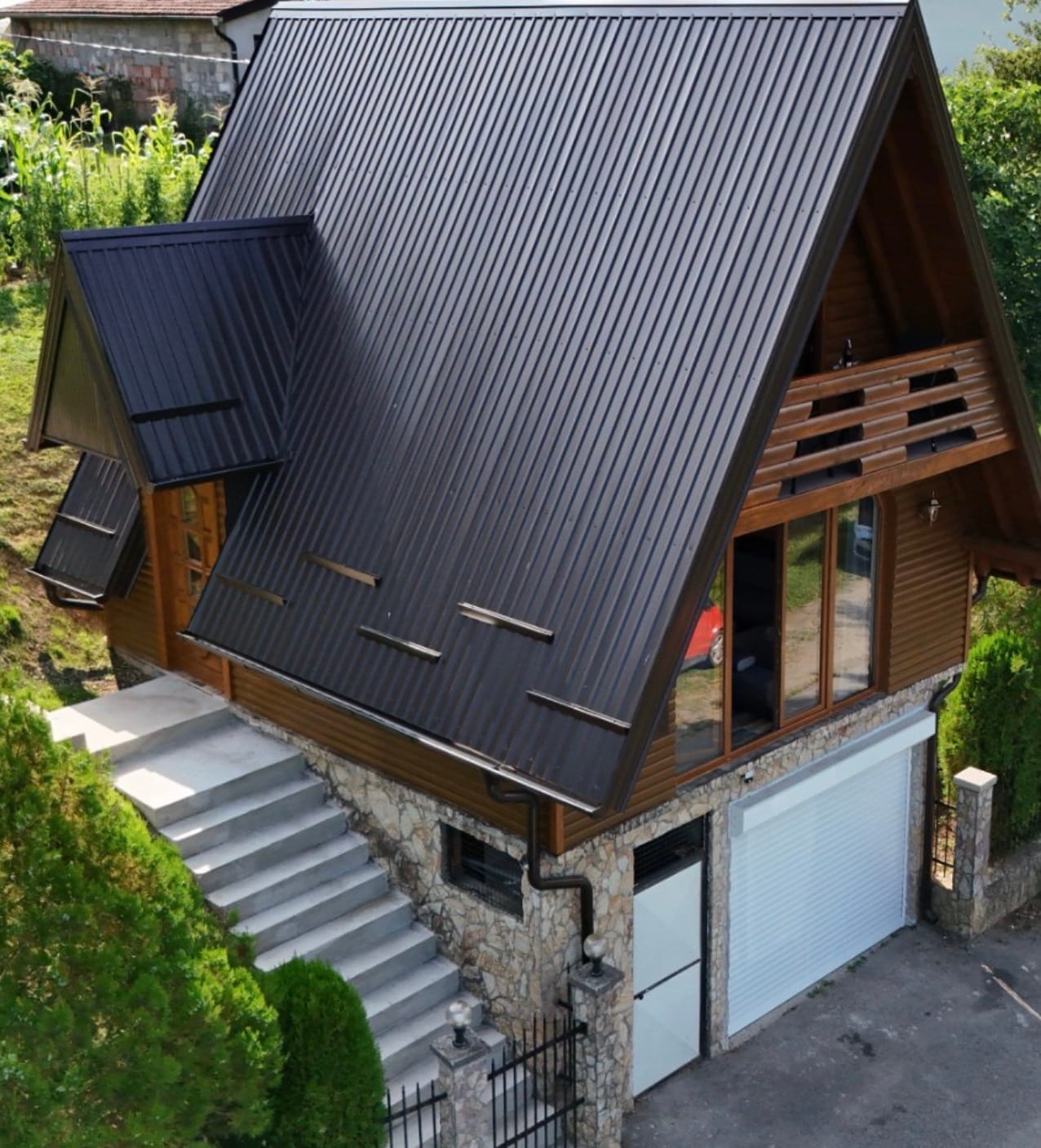 VerifiedWith Semsudin
Cabin (glamping)
Bosnian-Podrinje Canton Goražde
from €80 per night
Cabin (glamping)
Request via Camplix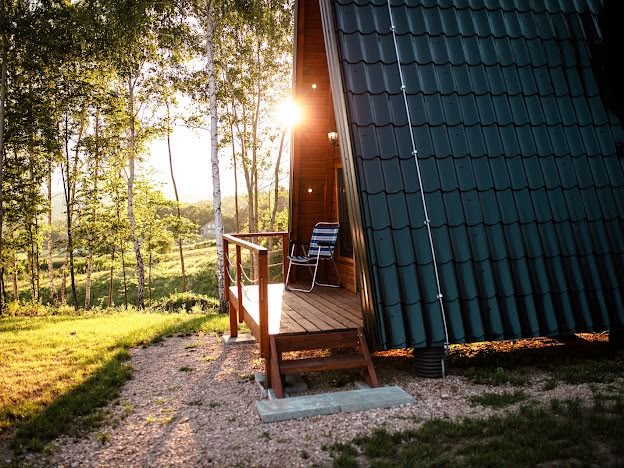 VerifiedWith Slaviša
TentCaravanMotorhome & campervanCabin (glamping)
Doboj region
from €10 per night
Tent, for 2 people
Request via CamplixOther areas without their own page:
Bijeljina region · Centre Bijeljina
Places to visit: Drina National Park, Lake Zvornik, Papraća Monastery, Tavna Monastery, Stanišići ethno village, Bečani necropolis, Lovnica Monastery, Kušlat Fortress
We have no hosts here yet. Know a place? Become a host
Bosnian-Podrinje Canton Goražde · Main town Goražde
Places to stay: Sadba Brvnare
Places to visit: Kučarin necropolis, Pavlovac Fortress
Brčko District · Main town Brčko
Places to visit: Brčko City Hall, Gradaščević Tower (Bijela)
We have no hosts here yet. Know a place? Become a host
Canton 10 · Main town Livno
Places to stay: Balkanika, Dinara, House 892, Kamešnica, Villa Cincar, Zoran Tadić
Places to visit: Livno, Kupres, Tomislavgrad, Buško Lake, Šator Lake, Cincar and the wild horses, Tito's Cave, Drvar, Ravanjska vrata necropolis, Lake Hrast, Veselinje Monastery
Doboj region · Centre Doboj
Places to stay: Sunny Camping
Places to visit: Doboj Fortress, Ozren Monastery, Dobor Fortress, Goransko jezero, Očauš, Stećci of Vojvoda Momčilo, Orlovo Lake, Tišina wetland, Kotromanićevo ethno village, Lake Pelagićevo
Istočno Sarajevo region · Centre Istočno Sarajevo
Places to visit: Trebević, Višegrad, Jahorina, Orlovača Cave, Žepa Bridge, Dobrun Monastery, Prača gorge and Govještica cave, Borak necropolis, Luburića polje necropolis, Source of the Paljanska Miljacka
We have no hosts here yet. Know a place? Become a host
Posavina Canton · Main town Orašje
We have no hosts here yet. Know a place? Become a host
Prijedor region · Centre Prijedor
Places to visit: Kozara National Park, Moštanica Monastery, Church of St Nicholas (Dobrljin), Azizija Mosque (Kostajnica)
We have no hosts here yet. Know a place? Become a host
Tuzla Canton · Main town Tuzla
Places to visit: Pannonian salt lakes, Tuzla, Gradačac Castle, Modrac Lake, Srebrenik Fortress, Teočak Fortress, Olovci necropolis, Konjuh: Paučko Lake, Lake Breštica
We have no hosts here yet. Know a place? Become a host
Camplix lists 29 places to stay from 19 hosts here. Here you send your request through us, in English.
The spot has passed Camplix’s internal check: details and location cross-checked, contact with the host. Every spot on Camplix goes online only after that.
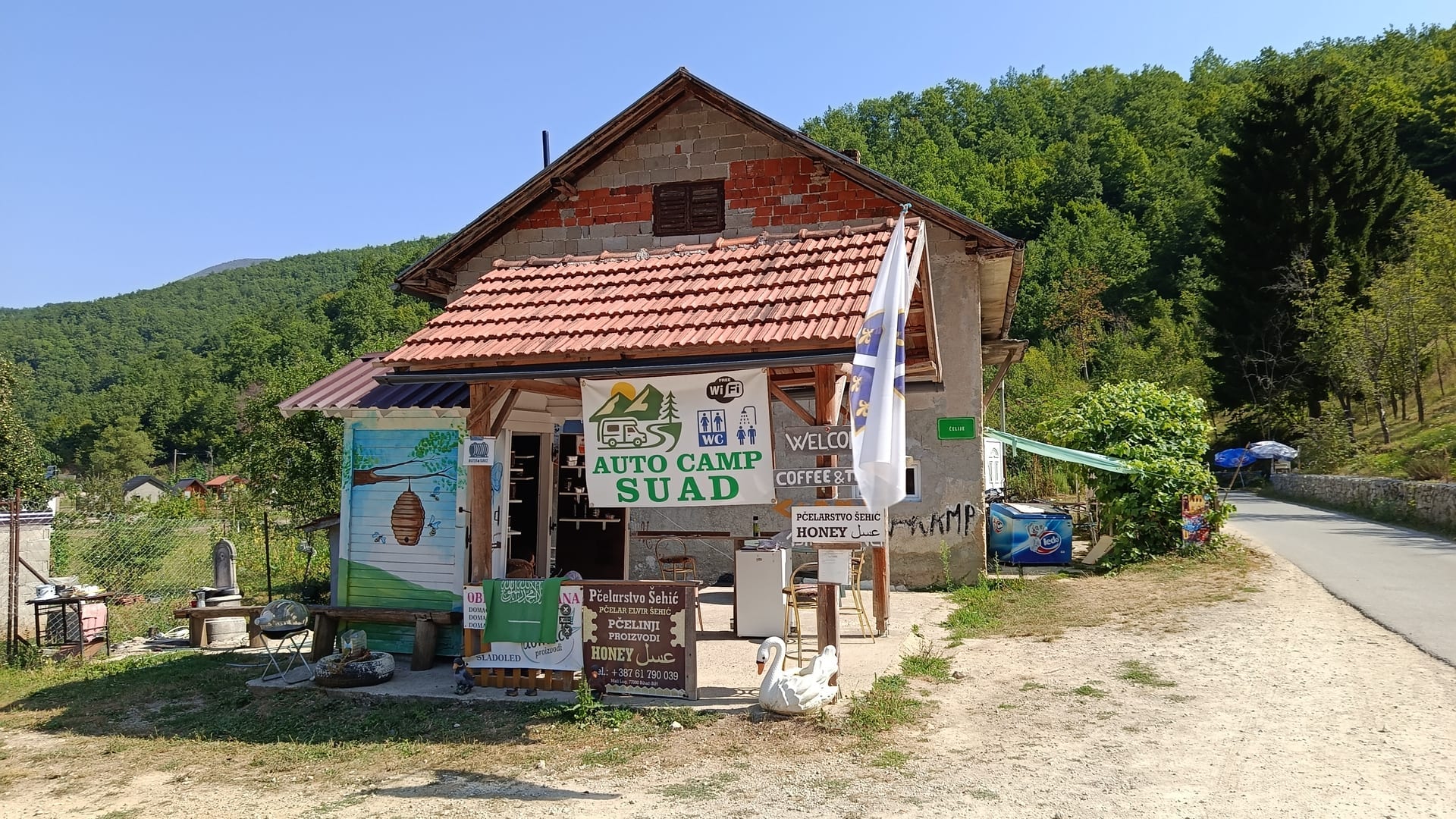 VerifiedWith Suad
TentCaravanMotorhome & campervan
Bihać, Bosnia & Herzegovina
from €10 per night
Tent
Request via Camplix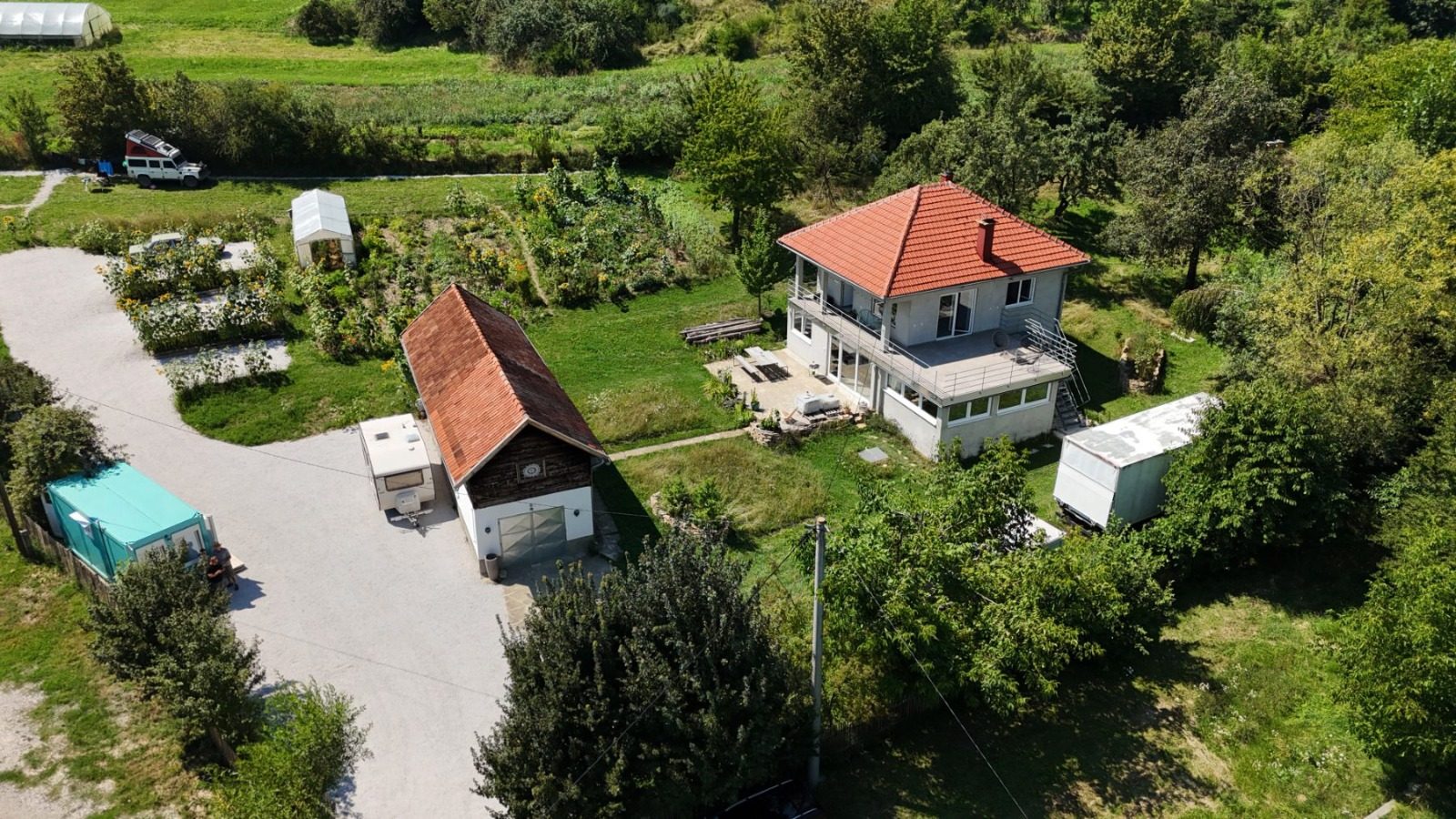 VerifiedWith Almedina
TentCaravanMotorhome & campervanCabin (glamping)
Gornja Breza bei Breza (Kanton Zenica-Doboj), Bosnia & Herzegovina
from €12 per night
Tent, for 2 people
Request via Camplix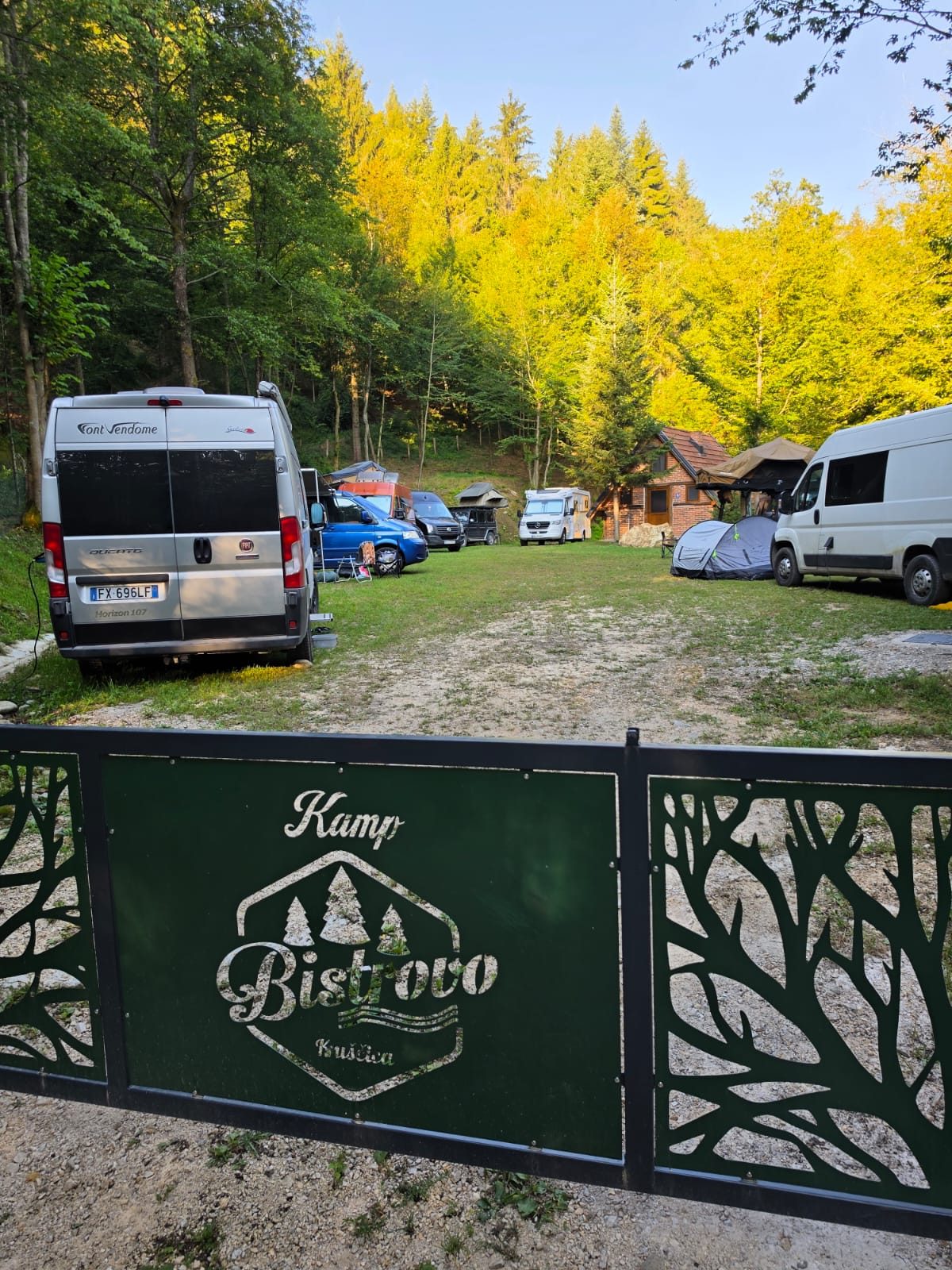 VerifiedWith Edin
TentCaravanMotorhome & campervan
Vitez, Bosnia & Herzegovina
from €10 per night
Tent, for 2 people
Request via Camplix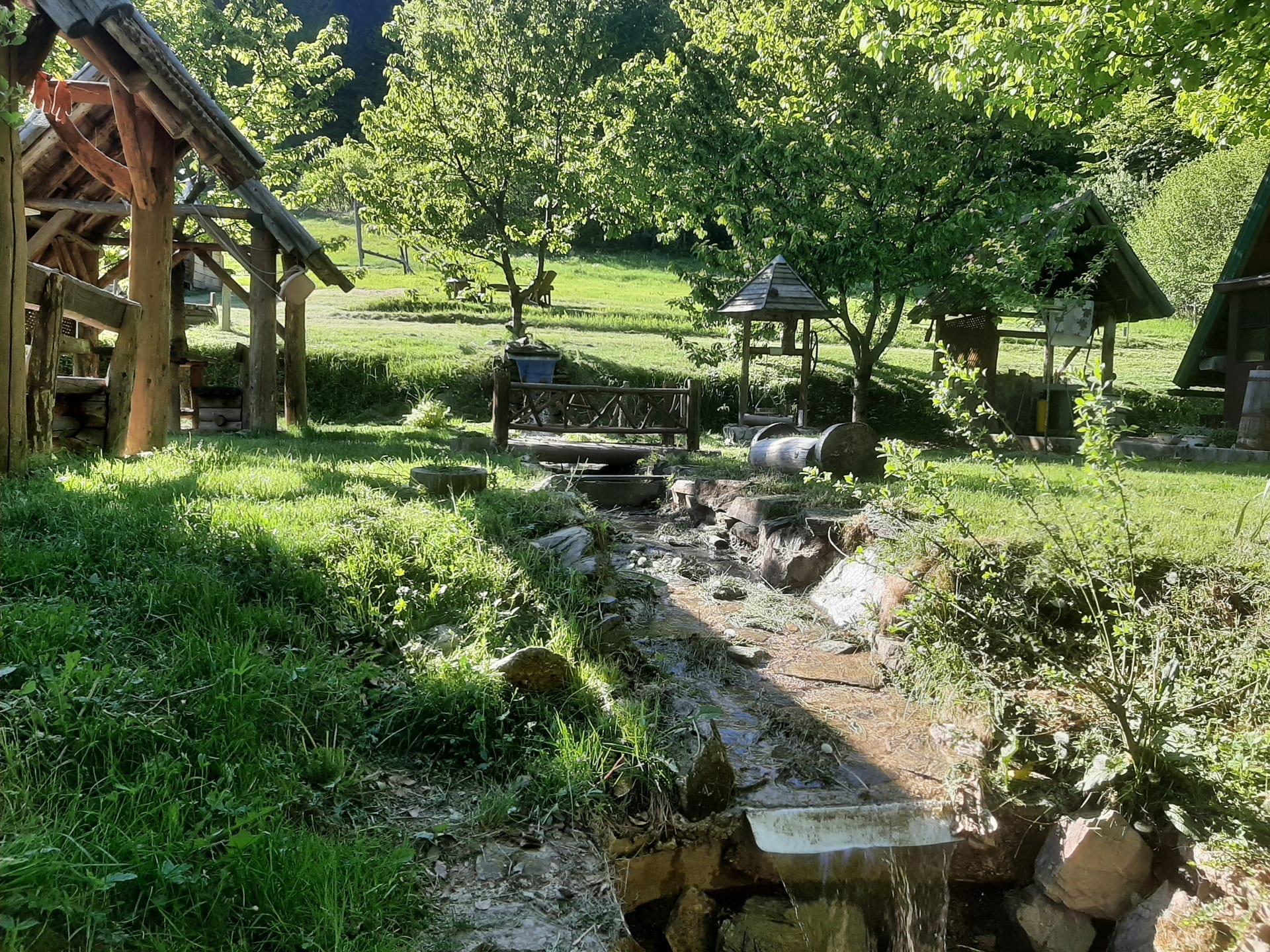 VerifiedWith Šefik
TentMotorhome & campervan
Bradina, Konjic, Bosnia & Herzegovina
from €20 per night
Tent, for 2 people
Request via Camplix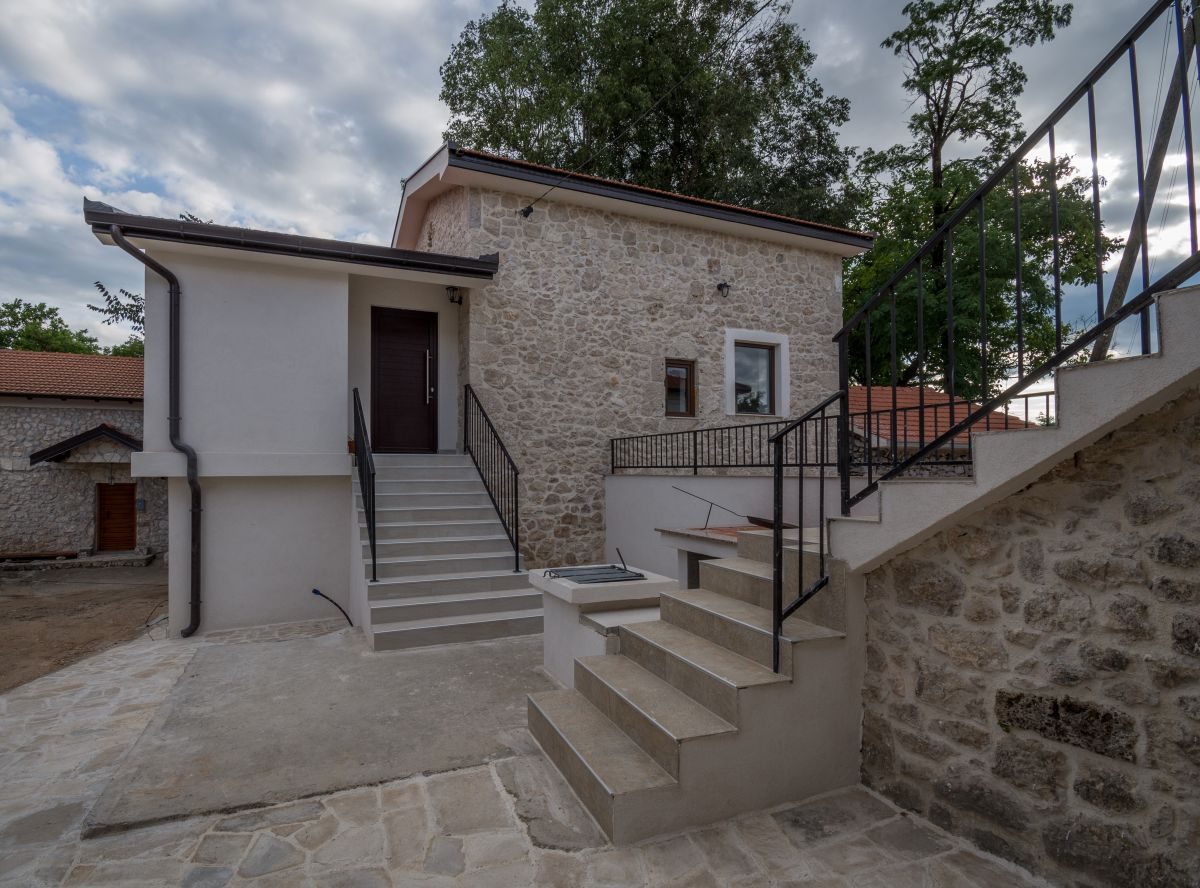 VerifiedWith Ana
Apartment / holiday home
Grab bei Ljubuški, Föderation BiH, Bosnia & Herzegovina
5 places to stay at the same location · With Ana
from €50 per night
Apartment / holiday home
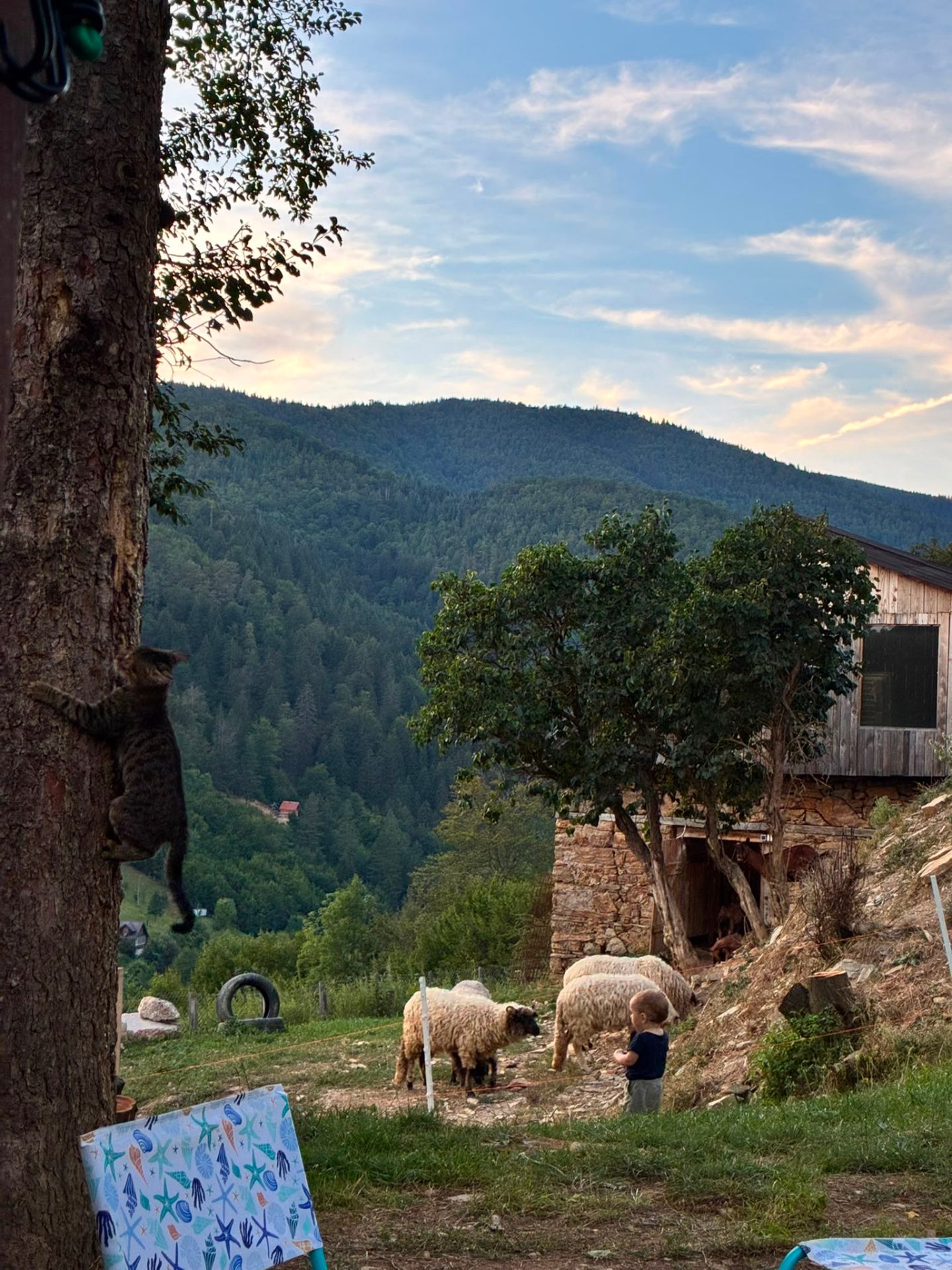 VerifiedWith Jilline
TentCaravanMotorhome & campervan
Srednje, Bosnia & Herzegovina
from €20 per night
Tent
Request via CamplixBosnia and Herzegovina lies in south-eastern Europe. Bosnia covers the larger north, Herzegovina is the smaller south. Besides the Neretva and the Una, the Vrbas, the Bosna and the Drina flow through the country. At Neum it reaches the Adriatic along roughly 20 kilometres of coast. There are four national parks: Sutjeska, Kozara, Una and Drina.
In the Middle Ages Bosnia was a kingdom. The former royal court at Kraljeva Sutjeska, the old royal town of Jajce and the stećci, medieval tombstones that have been a UNESCO World Heritage Site since 2016, all tell of that time. The Old Bridge in Mostar and the bridge in Višegrad date from the Ottoman period and are both World Heritage Sites too. Old quarters such as Baščaršija in Sarajevo also go back to that time. Franciscan monasteries, mosques and Orthodox monasteries are often only a few kilometres apart. In total the country has five World Heritage Sites, the most recent being the Vjetrenica cave, added in 2024.
Since the Dayton Agreement, signed in Paris on 14 December 1995, Bosnia and Herzegovina has consisted of two entities: the Federation of Bosnia and Herzegovina and Republika Srpska. Since 2000 Brčko District has been a separate unit as well. The Federation is divided into ten cantons, while Republika Srpska is divided directly into towns and municipalities. The capital is Sarajevo. The official languages are Bosnian, Croatian and Serbian, written in both Latin and Cyrillic script. The currency is the convertible mark (KM), which is pegged to the euro.
You will find more places on the canton and region pages.
Cascades of the Una river in Una National Park, up to 24 metres high. Entry fee, wooden walkways, rafting on the Una in summer.
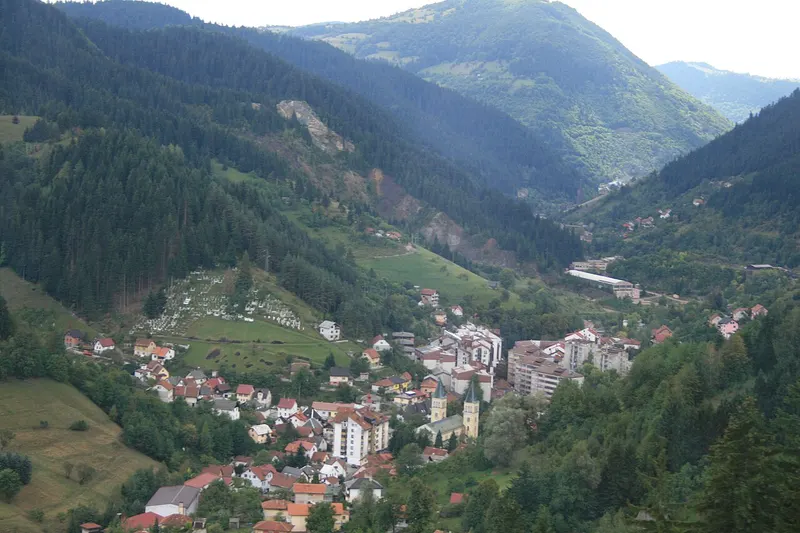
Old mining town in the mountains east of the site, about 16 km away. A starting point for hikes, and the royal fortress of Bobovac is nearby.
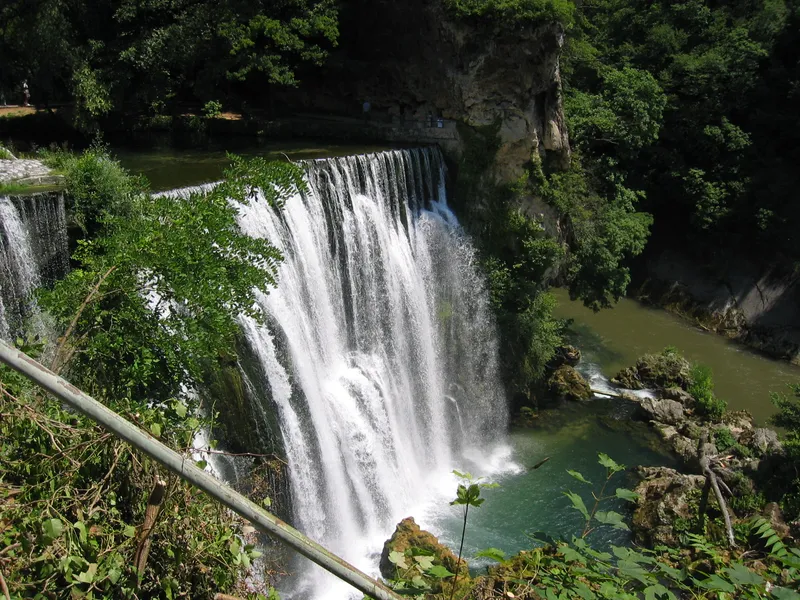
Medieval royal town where the Pliva plunges into the Vrbas as a waterfall right in the centre. The fortress above, old watermills along the Pliva.
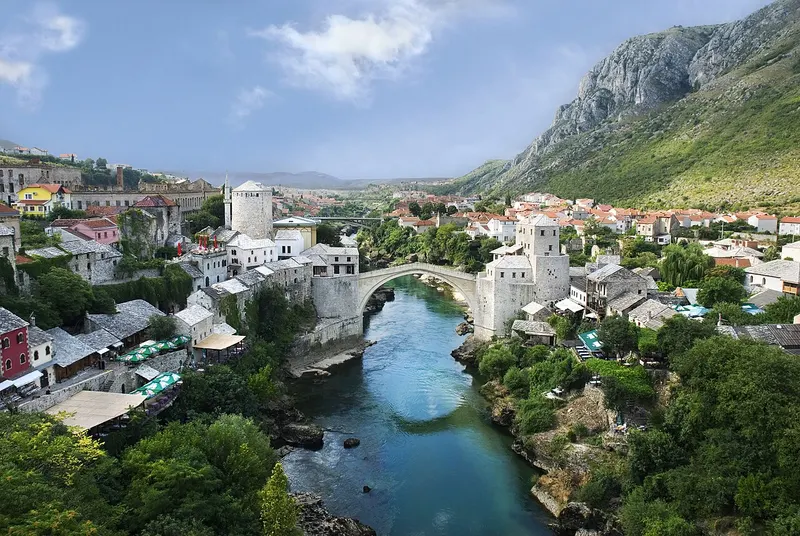
The Old Bridge over the Neretva is Mostar's landmark and a UNESCO World Heritage site. The old town with its bazaar and cafés surrounds it.
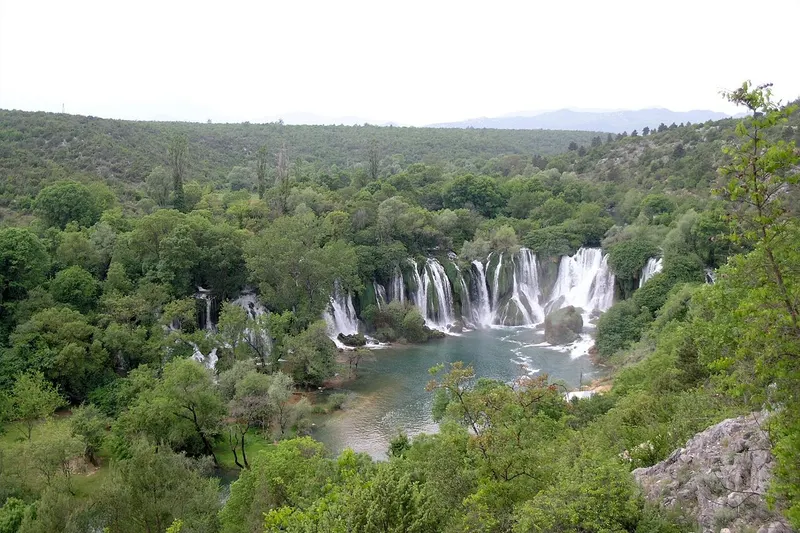
Waterfalls of the Trebižat river, about 25 metres high, with a natural pool for swimming. Popular day trip from Mostar, busy in summer.
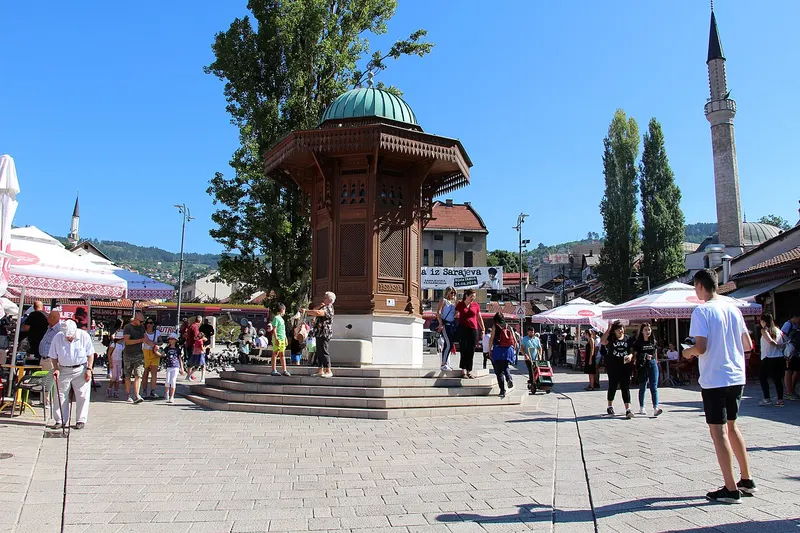
Sarajevo's old bazaar: the Sebilj fountain, craft alleys and coffee houses. A good starting point for a day in the city.
The places here are very different from one another. There is a farm with goats and chickens near Ilijaš, a mountain hut without electricity on the Zelengora, an auto camp next to a restaurant near Vitez and pitches right on the river near Bihać. Some places are reached over a gravel track for the last stretch. It is worth checking beforehand whether your vehicle will make it.
We have not found a law that covers wild camping across the whole country. The Swiss touring club TCS says wild camping is generally prohibited. In Una National Park tents are only allowed on designated sites. A campsite or a host is the safe choice.
Away from the main roads there can still be landmines and unexploded ordnance. Stay on paved roads and well-used paths. The currency is the convertible mark (KM). Unless your visit is very short, it has to be registered with the authorities. Ask your host whether they will do that for you. Our guides have more on all of this.
Camplix only lists places from hosts we are in contact with. You see photos and a full description and send your request through Camplix. We check availability and arrival with the host, and you pay on site.
Pick a canton, a region or a theme, such as places by the water or places that welcome dogs. For a host, send us your dates and the number of people, and we get back to you with the answer. Ask straight away whether your dog can come and whether the host will register you. Camplix costs you nothing, and we take no commission.
Camplix lists 29 places to stay from 19 hosts here. All of them take requests directly through Camplix.
Auto-Camp Bistrovo, Balkanika, Camp Divlja Rijeka, Camp Turjanica, Camping Pirol, Dinara and 23 more. You send your request from each place’s page.
Among the places to stay here: tents at 10, caravans at 12, motorhomes and campervans at 14, cabins (glamping) at 13, apartments and holiday homes at 8.
According to the hosts’ price lists, from €10 per night (tent at Auto-Camp Bistrovo). The final price is agreed directly with the host.
For 12 of the 29 places, the amenities include “Dogs welcome”. The others don’t say either way, so ask before you go.
Places per region: Una-Sana Canton (1); Zenica-Doboj Canton (4); Central Bosnia Canton (2); Herzegovina-Neretva Canton (4); West Herzegovina Canton (6); Sarajevo Canton (1); Banja Luka region (1); Trebinje and Foča region (2). 8 are outside these regions.