History
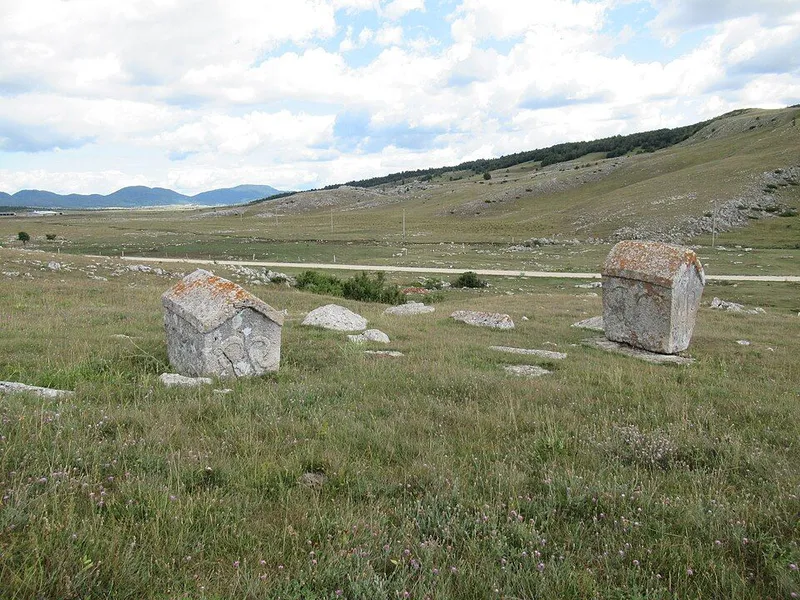
The plain of Livno has been inhabited since about 2000 BC. The Illyrian Dalmatae left the remains of their settlements, the gradine, along the field, and in the 1st century a Roman road from Salona on the coast to Servitium crossed the polje.
Livno celebrates 28 September 892 as its founding date, because a charter of Duke Mutimir from that time mentions the place. Later Livno was the centre of the county of Hlebiana in the Kingdom of Croatia, which is mentioned in the 10th-century work De Administrando Imperio. From 1326 to 1463 it belonged to the Bosnian state. Under the Ottomans a new town with an oriental character grew on the ruins of the settlement by the Duman and on the slopes of Bašajkovac, and in 1878 Austria-Hungary occupied Livno.
Old town, Duman spring and Glavica mosque
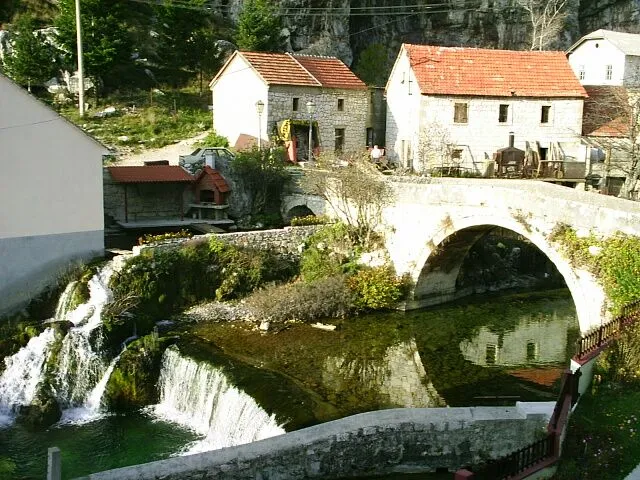
The historic core, called Gornji grad or Fera, grew during some 400 years of Ottoman rule. In that period domed mosques such as Balaguša and Glavica were built, along with a bridge over the Bistrica, a čaršija with shops and a town wall with gates and towers. The old town area, Bistrički grad, and the bridge over the Duman are listed as national monuments.
At the foot of the rocks the Duman karst spring emerges from a cave as the source of the Bistrica. On a knoll above it stands the Hadži Ahmet Dukatar Mosque, usually called Glavica after its site. It was completed in 1574, though some sources give 1587. The compact domed building with its unusually short minaret is joined by a 17th-century clock tower, and both are still in use.
Gorica monastery and culture
Towards the end of Ottoman rule the Franciscans pressed for the building of Gorica monastery and its church, today a national monument as an architectural ensemble. It houses a gallery of the painter Gabrijel Jurkić and an ethnological museum whose collections document the life of all four religious communities of the area.
Livno also has a place in literature: Ivan Goran Kovačić finished his poem “Jama” (The Pit) here, which he had written while with the Partisans.
Livno cheese
Livanjski sir has been made since the 19th century following the model of Gruyère, at first only from sheep's milk, today mostly from a mix of sheep's and cow's milk or from cow's milk alone. In 1886 an agricultural station with a dairy was founded in Livno, which also processed milk from the mountain estate on the Kruzi. It flourished under the French cheesemaker Cyprian Jaillet, who worked there from 1900 to 1926.
For a time even Roquefort matured in the cave at the Duman, winning a medal in Budapest in 1896.
Livanjsko polje and surroundings
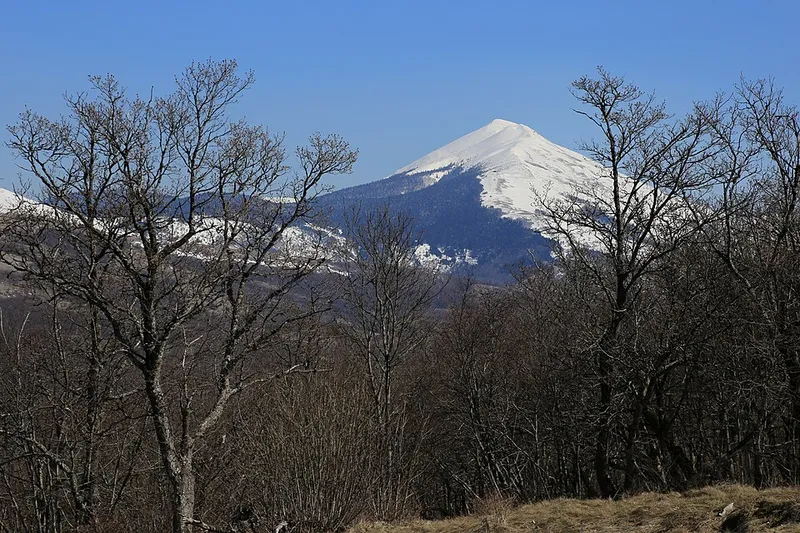
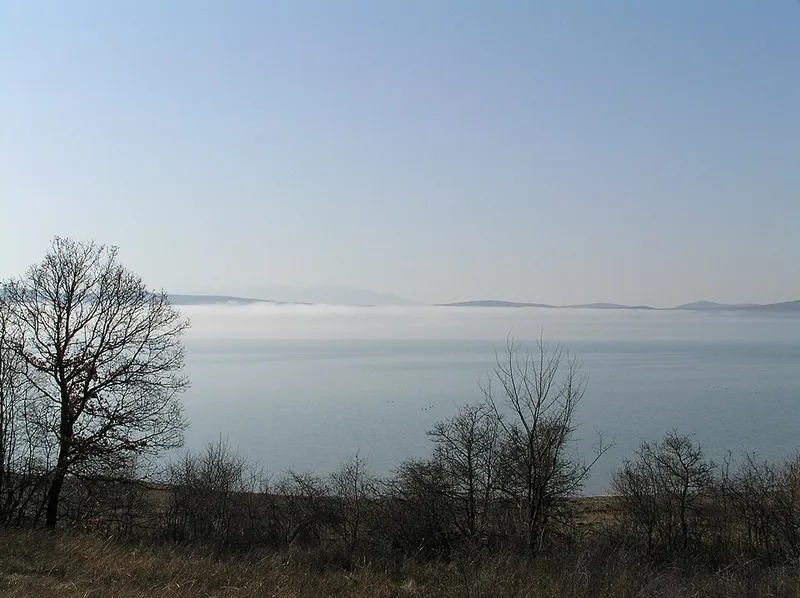
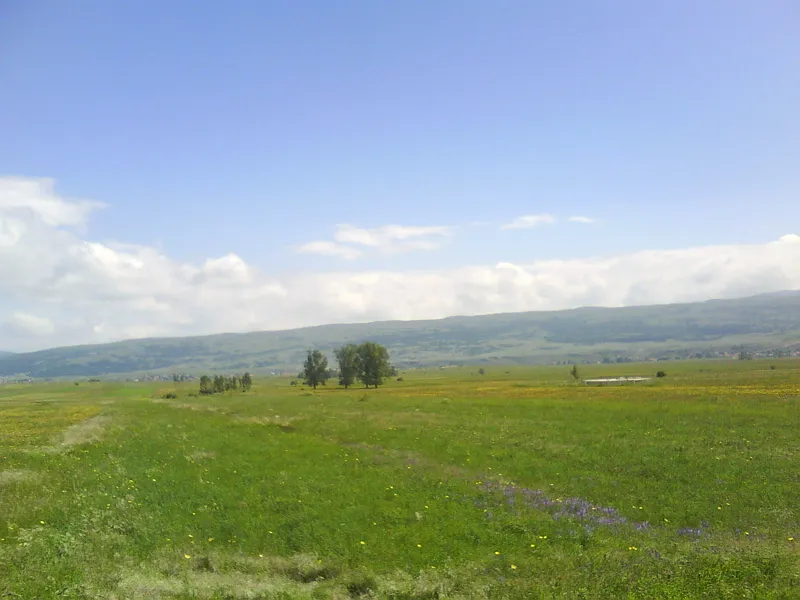
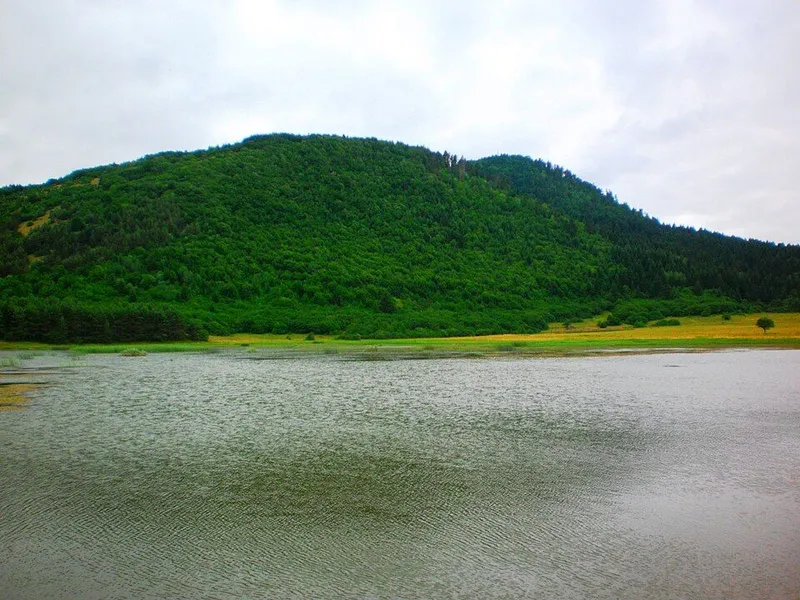
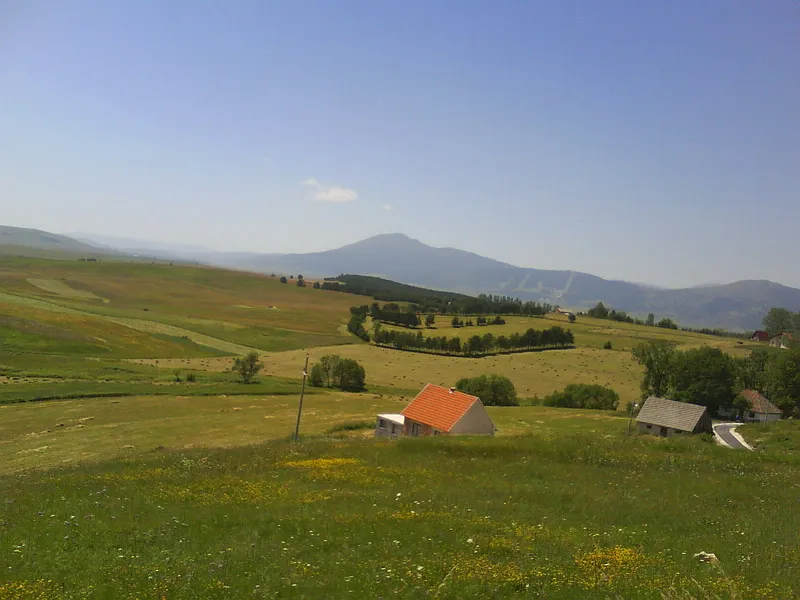
The Livanjsko polje is framed by Dinara, Kamešnica, Tušnica, Cincar, Golija, Šator and Staretina. Since 11 April 2008 it has been on the Ramsar list of wetlands, with seasonally flooded fields, marshes, streams such as the Sturba and Žabljak and karst springs such as the Duman. The Bistrica runs across the field as far as Lipsko jezero near Lipa, the smaller of the two reservoirs of the Orlovac hydropower system; the other is Buško Blato.
Popular outings for locals are Ploče and Hasino Vrilo and Buško jezero with its plentiful fish, while hikers head for Cincar, Kamešnica and Tušnica.