Setting and townscape
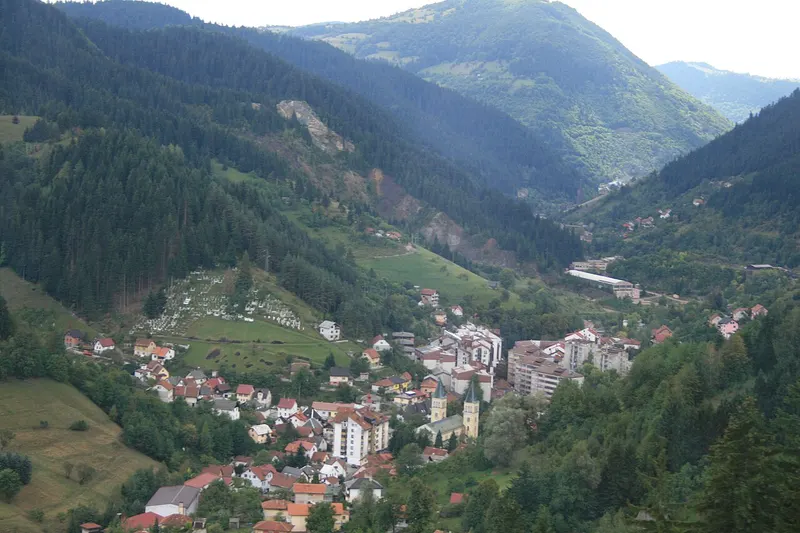
Vareš is the administrative seat of the municipality of the same name in Zenica-Doboj Canton. The mountains Kapija, Stijene, Perun and Zvijezda rise all around, and because the valley floor is so narrow, the town stretches like a ribbon for about five kilometres along the valley. At the 2013 census the municipality had 8892 inhabitants, the town itself 2917. Vareš first appears in written records in the 15th century.
Iron from the Stavnja valley
Traces of metalworking go back to the Bronze Age, and as early as Roman times the area was known for its miners and smiths. Medieval records name several mining villages in the area, among them Duboštica in 1393; King Tvrtko is said to have regarded this village as the treasury of his realm. Under the Ottomans Vareš became a centre for special weapons and equipment; a tax register of 1516 lists 150 houses.
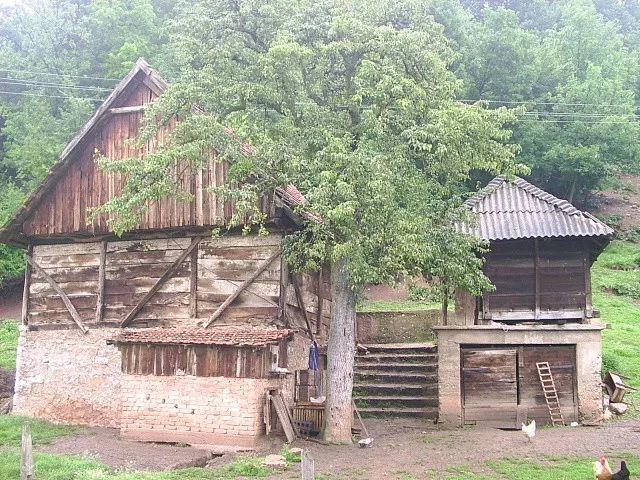
Industrial mining began under Austro-Hungarian rule. In 1891 the first blast furnace in Bosnia and Herzegovina was built, operating until 1990, and in 1895 a narrow-gauge railway was laid from Podlugovi to Vareš. The old craft lives on in the village of Oćevija on Zvijezda: in its smithies, known as majdani, iron has been forged with water power in the same way for centuries.
Churches, mosque and bridge
In the centre stands the old church of St Michael, which locals call “Mala crkva” (the little church). It is regarded as the oldest Catholic church in Bosnia and Herzegovina; according to the local tourist office, it has stood on this spot since the 16th century. About half of it lies below ground, which is explained by the Ottoman rulers allowing no church to be taller than a mosque. The parish keeps church registers dating from 1643. Next to it stands the new church of St Michael, reminiscent of Sarajevo cathedral: begun in 1854, it took on its monumental form in 1906 and was renovated from 1977 to 1981.
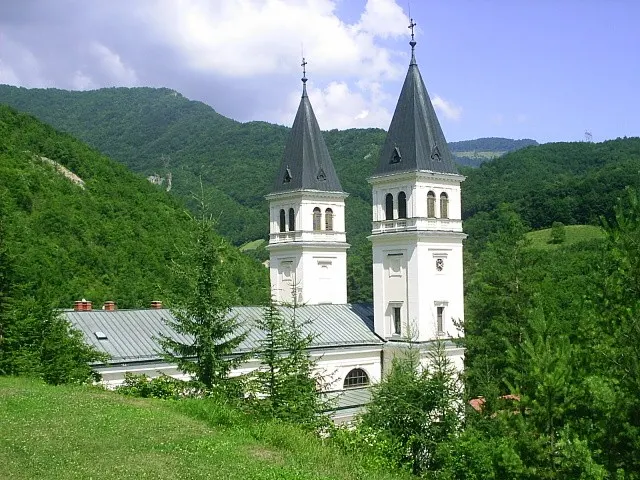
The Serbian Orthodox Church of the Protection of the Theotokos was built in 1891 and declared a national monument in 2009. In the village of Karići there is a wooden mosque, built from foundations to roof of hewn timber without a single nail; it burned down during the war and was afterwards rebuilt from pine and spruce from Zvijezda. The old stone bridge over the Stavnja dates from the 16th or 17th century; according to the tourist office, scholars assign it to the same building style as the Old Bridge in Mostar. Legend has it that a wealthy father had it built in memory of his son’s love for a Christian girl.
Bobovac, stećci and Zvijezda
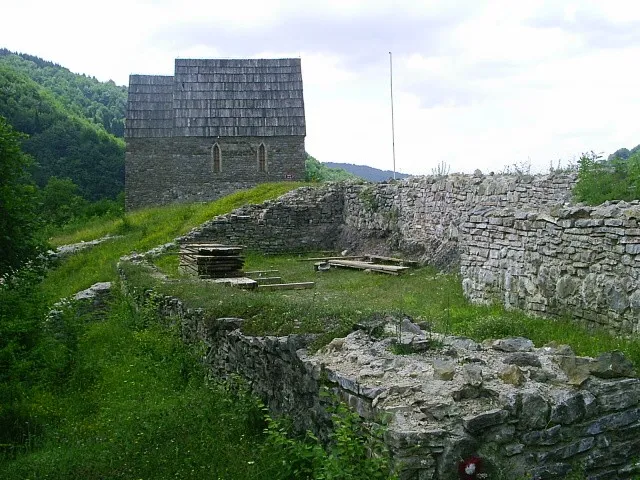
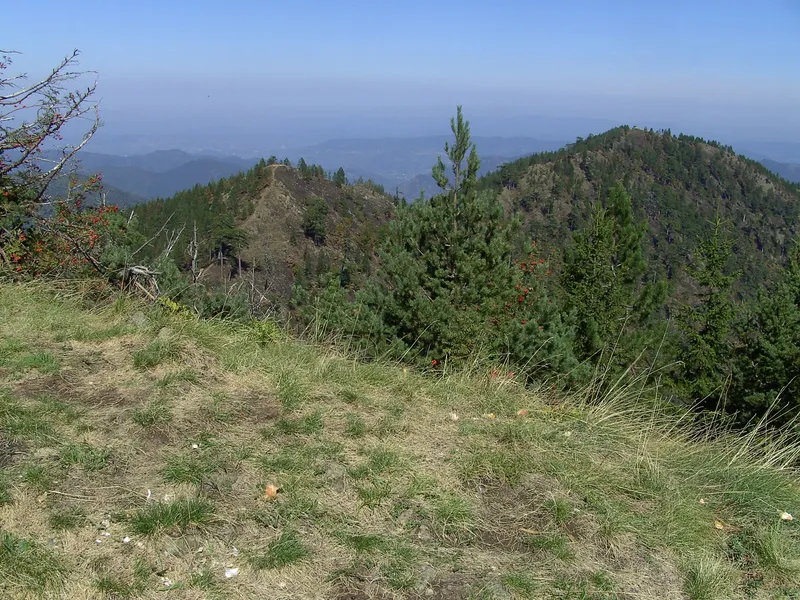
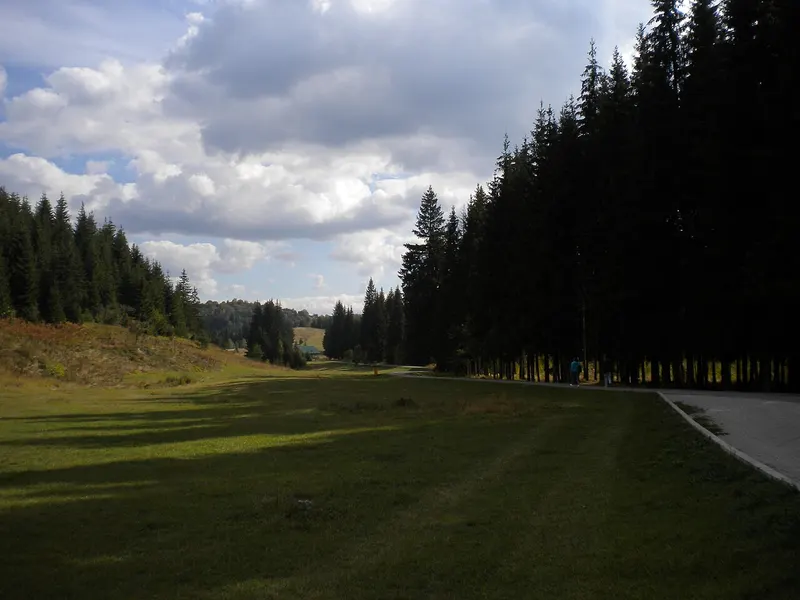
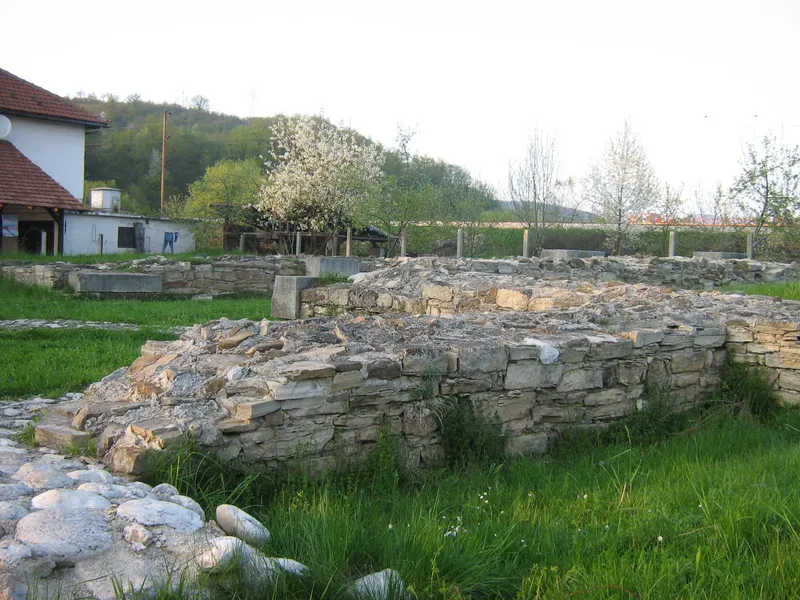
Nearby lies the royal castle of Bobovac, built in the mid-14th century at 777 metres. Sultan Mehmed II took it with the help of the voivode Radak, who betrayed his own people, and in 1463 the Bosnian kingdom fell. A 2003 report by the Commission to Preserve National Monuments lists 24 necropolises with 324 stećci, medieval tombstones, in the municipality. According to the local tourist office, none bears an inscription and most are plain; the more richly decorated ones are in the villages of Ravne, Čamovine, Ligatići and Budoželje. The backdrop is Zvijezda, a mountain criss-crossed by clear trout streams and scented with pine resin.