The royal court on Grgurevo
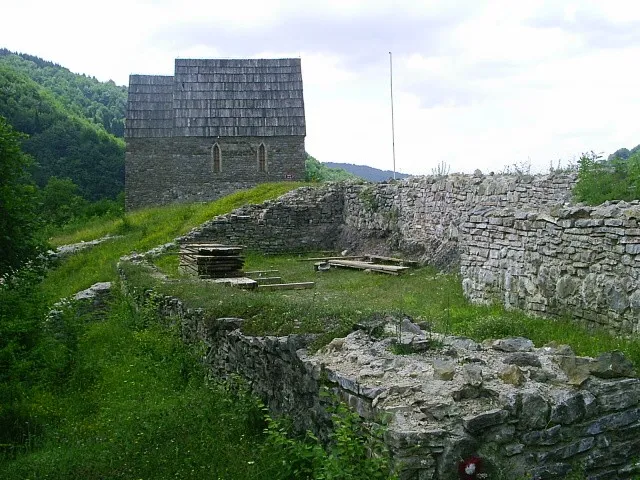
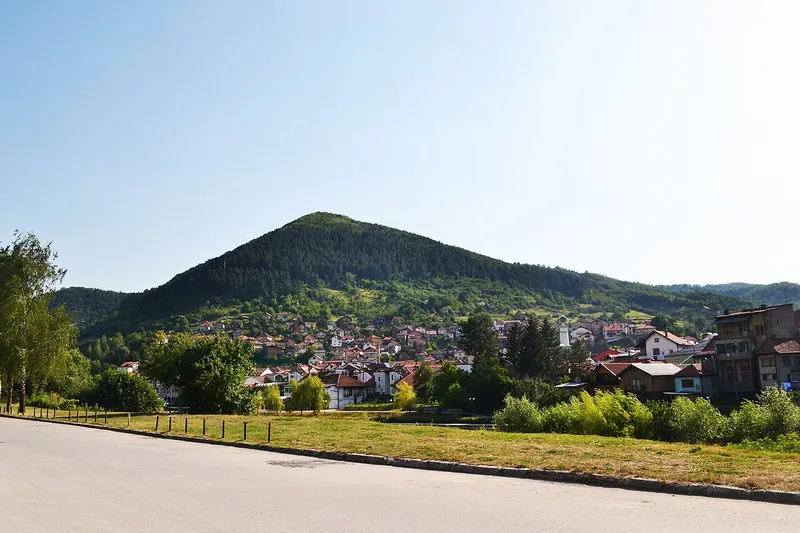
Ban Stjepan II Kotromanić moved his court here from Visoko; in the charters the place is called Trstivnica. From the mid-14th to the mid-15th century the bans and kings of Bosnia lived and governed from here, and the court included several buildings and a chapel.
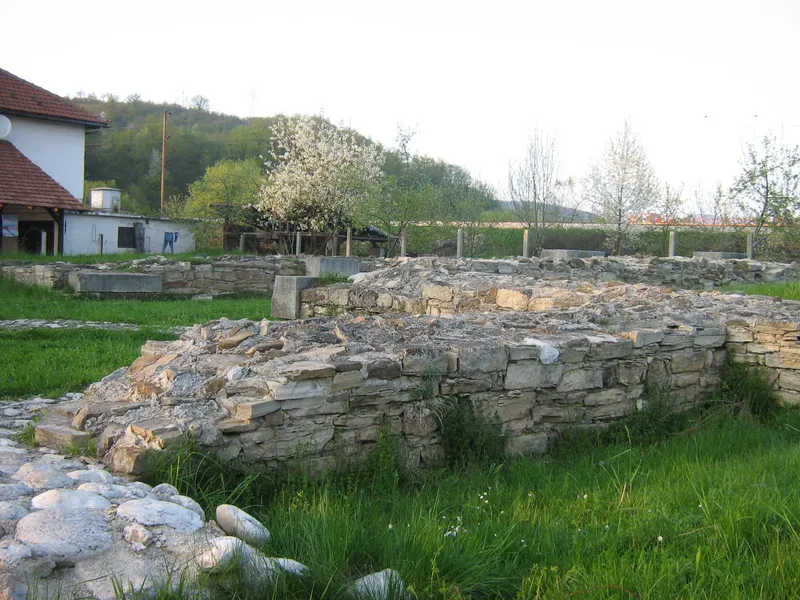
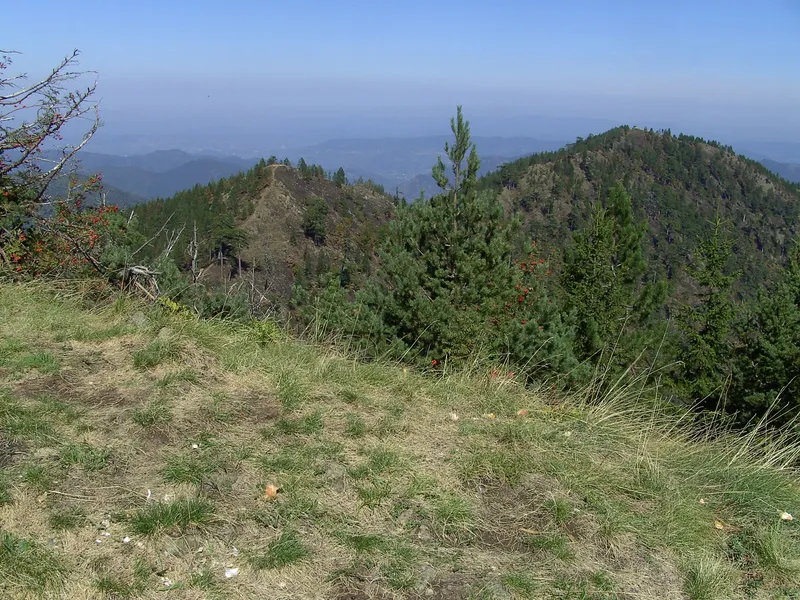
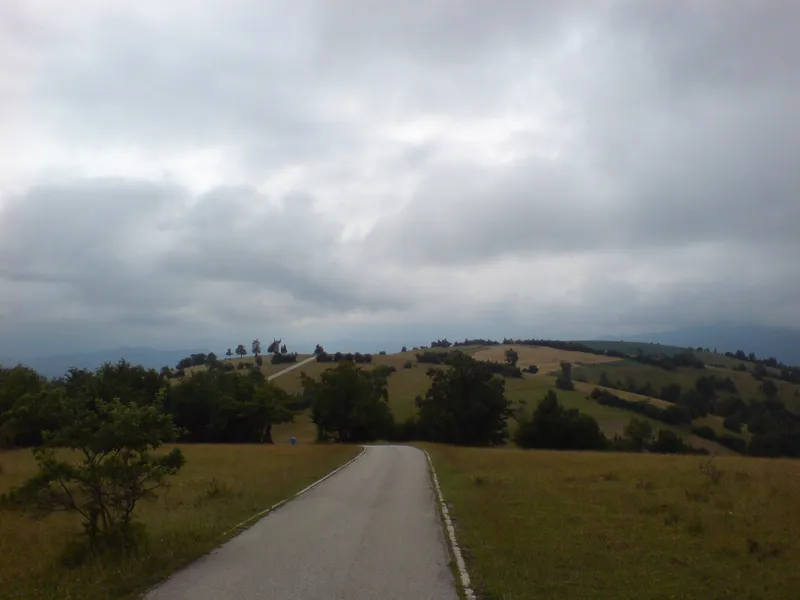
The ruins lie on Grgurevo hill beside the friary and church, with one part on the neighbouring slope across the Urva brook. Excavations in 1969–1970 uncovered the foundations and walls of a church, the eastern palace and the western part of the court. The court chapel, as a charter of King Tvrtko I from 1378 records, was dedicated to St Gregory. Not far away is Bobovac, the fortified seat of the rulers until 1463.
Friary and church
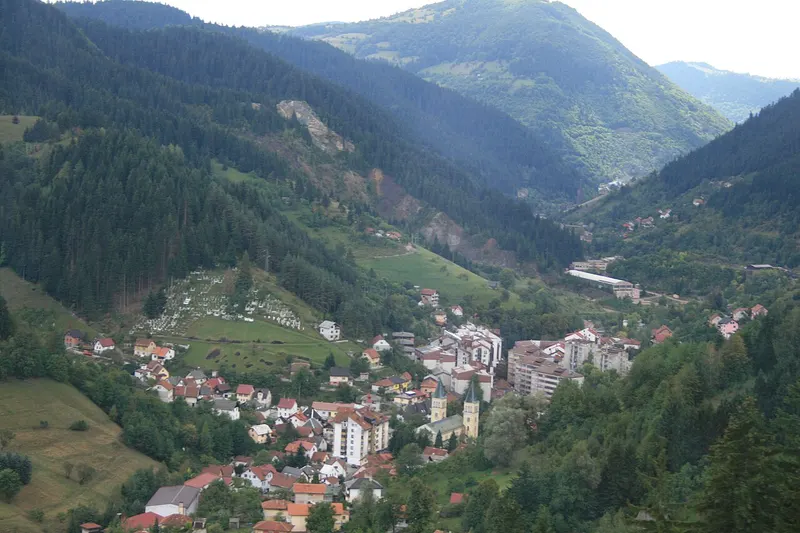
The first friary was probably built in the first half of the 14th century and is first mentioned in 1385 by the Franciscan chronicler Bartholomew of Pisa. It was violently destroyed in 1524, burned down with its archive and library in 1658, and a new one was built in 1664. Towards the end of the 17th century heavy levies forced the friars out to live in village huts; they returned in 1704. The present friary building dates from 1888–90. The church, too, was destroyed in 1524 and renewed or rebuilt several times up to 1858. Under Ottoman rule churches were allowed neither towers nor bells; Sutjeska was an exception and could use a bell.
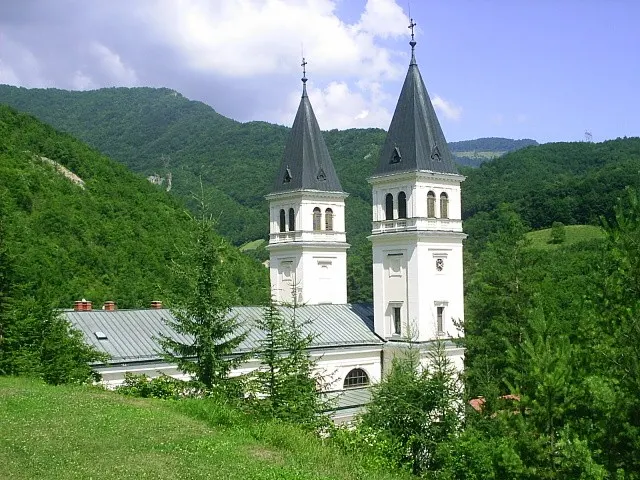
The present church was designed by Josip Vancaš, who also designed Sarajevo Cathedral. Work began in 1906 and the roof was on by October 1907. The church, with a nave and two aisles, is 39.40 m long, 18.10 m wide and 13.60 m high, and its two copper-roofed towers rise to 45 m. The organ of 1865 is still in use. Inside is a bronze figure of Queen Katarina by Josip Marinović, and the cloister has a mosaic Way of the Cross.
Museum, archive and library
The treasury holds some thirty chalices, one of them dated 1416, and a 15th-century chasuble from Germany with an embroidered Crucifixion. The paintings include a panel from the 15th century painted on both sides, the only surviving part of a Gothic folding altarpiece, two works by the local painter Stjepan Dragojlović from 1597 and 1621 with his self-portrait, and a Madonna by Francesco Guardi.
The archive keeps parish registers from 1641 and some 3,500 documents from the 15th to the 19th century, among them a deed of gift by King Matthias Corvinus from 1481. The library has more than thirty incunabula and works by Bosnian authors in Bosančica. In 1871 the friary entrusted six paintings and vestments, including a parament of Queen Katarina, to Bishop Strossmayer for safekeeping; they were never returned.
Queen Katarina and the village
Katarina, the last Bosnian queen, is especially honoured here; after the fall of the kingdom she left Bosnia and died in Rome. According to tradition, the women of Kraljeva Sutjeska still wear black headscarves in mourning for her, and she is said to have taught them the cross-stitch embroidery of their costume. Every year the parish marks the Days of Queen Katarina.
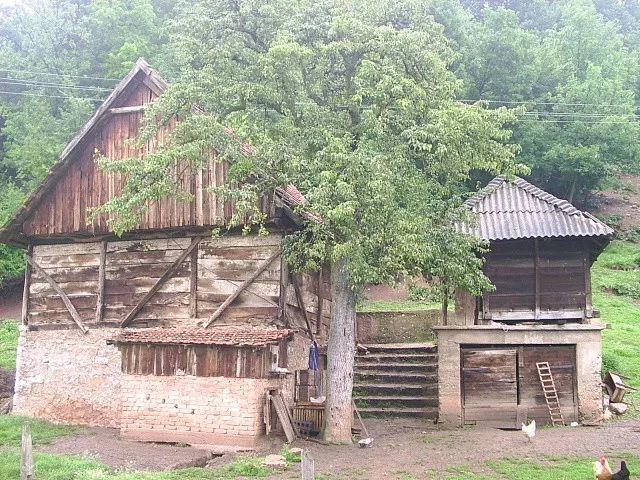
In the Prijeko quarter, on the right bank of the stream, stands the Dusper house from the early 18th century, a National Monument. At the entrance to the village is the Mehmed II Fatih mosque from the 15th century, which tradition says was built in just a few days. The friary and church have been a National Monument since 2004.