A centre of medieval Bosnia
The area has been settled for a long time, with the first traces dating back to the 5th millennium BC. At Okolište, archaeologists have uncovered a large Neolithic settlement of the Butmir culture.
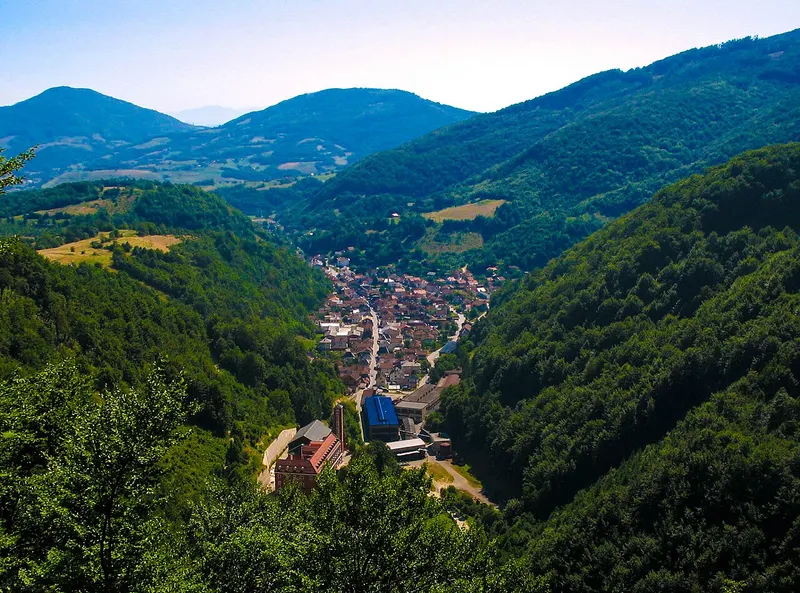
In the Middle Ages, Visoko was an early political and commercial centre of the Bosnian state. On Visočica hill stood the fortified town of Visoki, first mentioned on 1 September 1355 in a charter of the young Ban Tvrtko I. It protected the trading settlement of Podvisoki at the foot of the hill, which grew into the present-day town. At Mile, today's Arnautovići, Tvrtko I was crowned the first Bosnian king in 1377 and was later buried there. After the end of the kingdom, Visoko grew into an Ottoman town. On 11 November 1911 it was almost completely destroyed by fire.
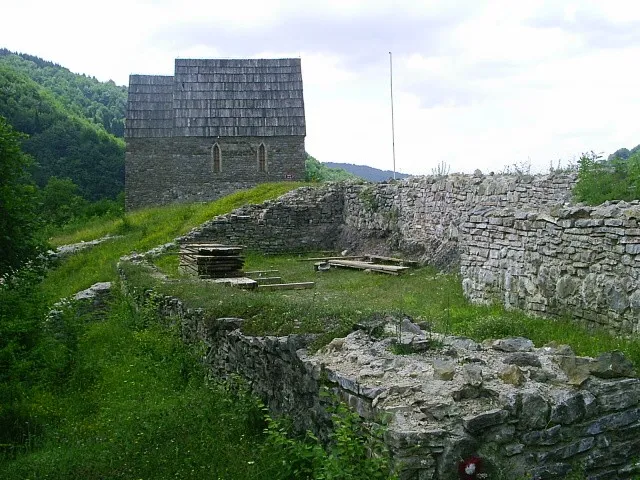
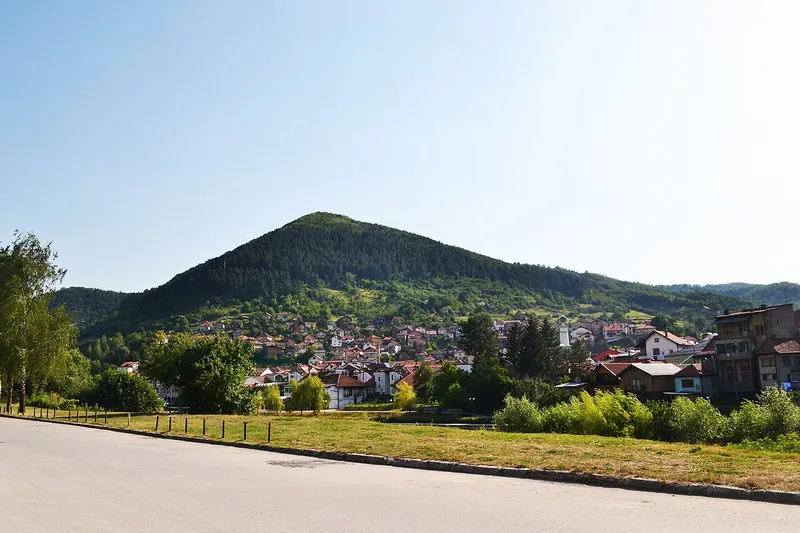
Visočica hill and Visoki fortress
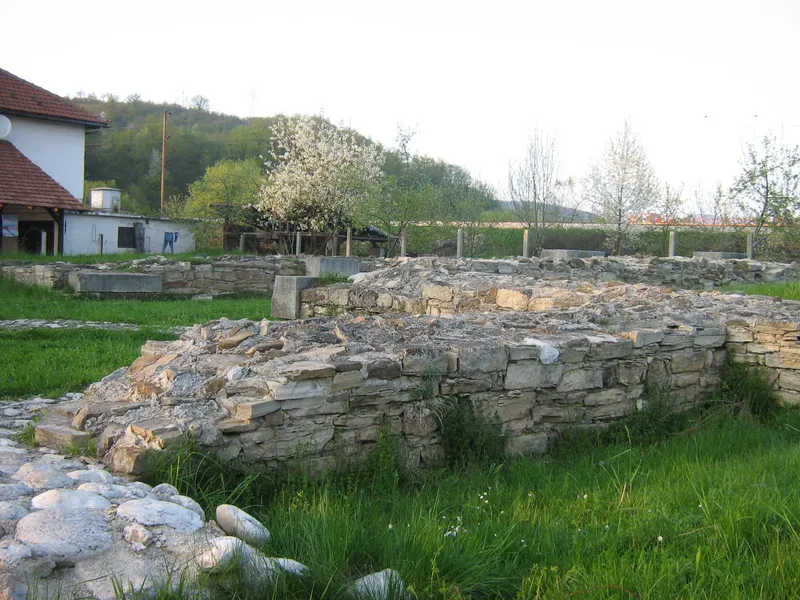
The remains of Visoki fortress lie on top of Visočica. From here the view stretches across the plain to the Romanija, Jahorina, Treskavica and Bjelašnica mountains to the east and south-east and to Vlašić in the west. The entrance, with two lookout towers, is on the south-west side, and the walls are about 2 metres thick. The fortress was probably abandoned before 1503.
The medieval fortress stands on a Roman observation post, which in turn had been built on the ruins of an even older settlement. The fortress is protected as a national monument. During an excavation on the Visočica plateau in February 2017, the Regional Museum in Visoko and the Institute of Archaeology of the Faculty of Philosophy in Sarajevo found material ranging from prehistory to the Middle Ages.
The “Bosnian pyramids”
Since 2005, Semir Osmanagić, a Bosnian-American businessman based in Houston, has claimed that Visočica and neighbouring hills are ancient man-made pyramids. He named the two larger hills the “Pyramid of the Sun” and the “Pyramid of the Moon”, began excavating in 2006 and in the process reshaped one hill to look like a stepped pyramid.
Researchers have refuted these claims. In May 2006 a team from the Faculty of Mining and Geology at the University of Tuzla concluded that Visočica is a natural formation made of layers of conglomerate, clay and sandstone; the Sarajevo–Zenica basin alone has dozens of similar landforms. Hills of this kind are known as flatirons, and there is no evidence of human construction. The European Association of Archaeologists called the project a cruel hoax and expressed concern about damage to genuine sites such as the medieval fortress and Roman fortifications.
Visoko today and tips for your visit
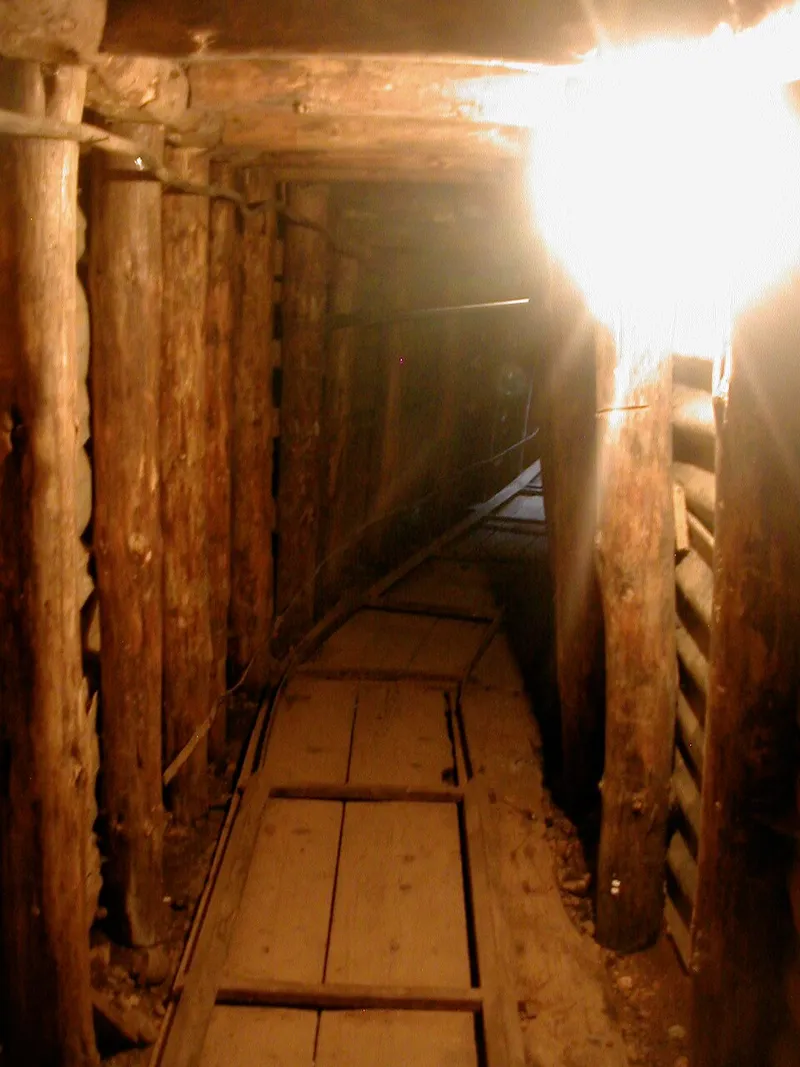
Despite the refutation, many people come. In 2016 Osmanagić's foundation opened the Ravne 2 park, which tens of thousands of tourists visit every year. Osmanagić believes that passages around the group of hills, known as the Ravne tunnels, form an ancient man-made underground network; meditation sessions are held there. Souvenir sellers say they still rely on this trade. Academics, by contrast, have called for the government to stop funding the excavations because they damage genuine archaeological remains.
If you visit Visočica, bear in mind that the wall remains at the top belong to the medieval Visoki fortress, the hill's actual historic monument. Arnautovići, the former Mile, where Tvrtko I was crowned and buried, is also part of the valley's medieval history.