Mining and a royal town
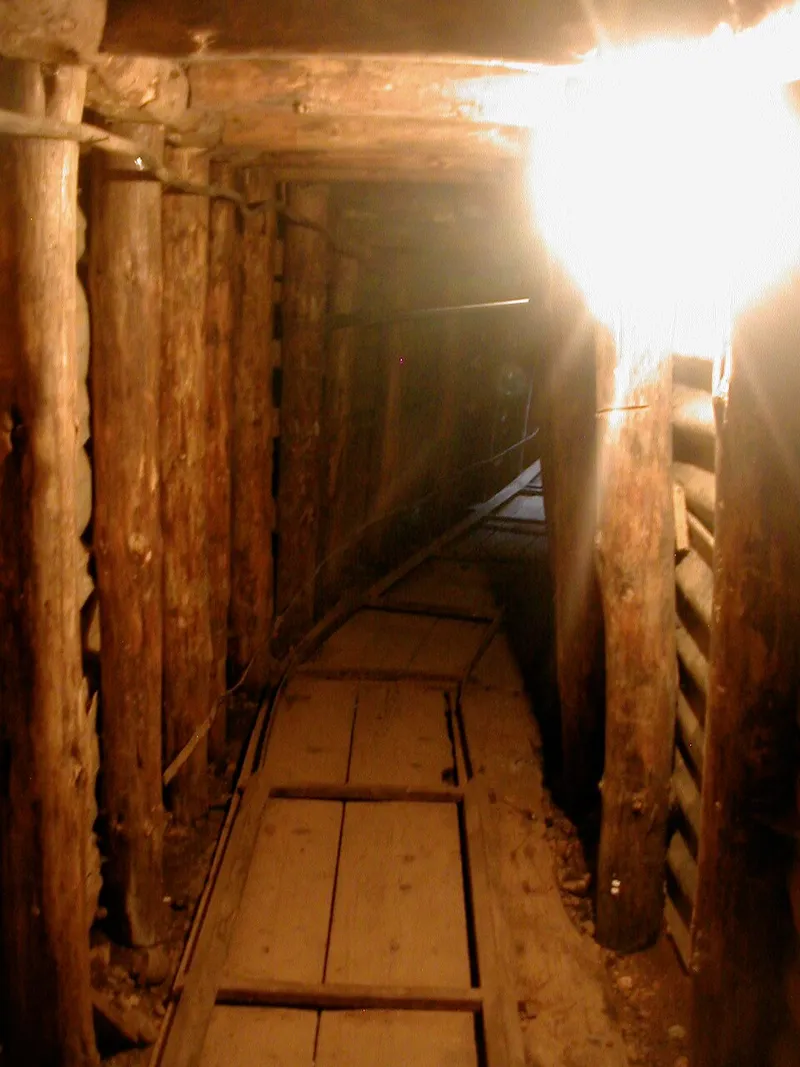
The silver, copper and lead mines of Kreševo are first mentioned in 1381. A well-known document is the Kreševo charter of 12 August 1434, which opens with the words “In the royal town of Kreševo …”; the original is kept in the State Archives in Dubrovnik. On 3 September 1444 King Stjepan Tomaš confirmed the privileges of the people of Dubrovnik and called Kreševo a glorious town. The place had a royal court and a fortress, below which lay a suburb with a market.
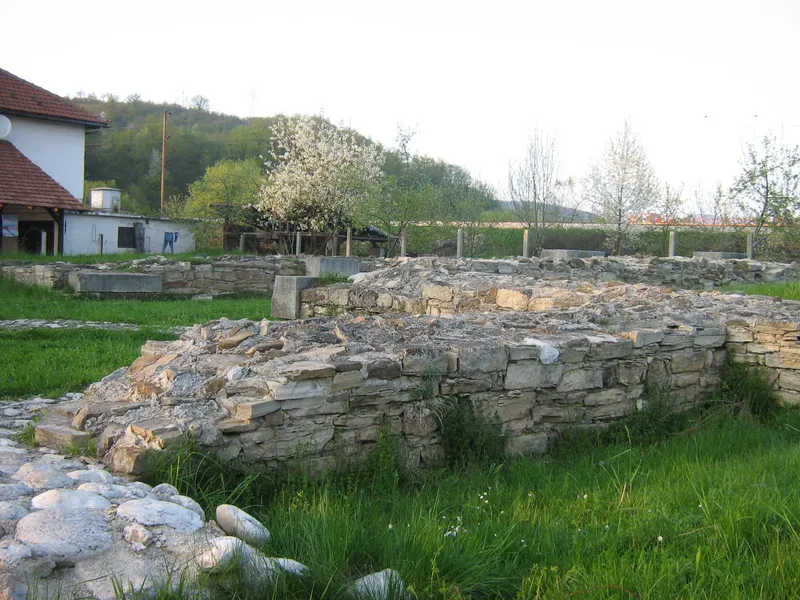
The area is called Bedem after the ramparts that surrounded the royal town. The fortress, known as Stari grad, is a national monument; in a first phase of excavation, a section of the southern defensive wall about six metres long and roughly one metre wide was uncovered. Nearby, since 1996, a chapel has commemorated Katarina Kosača, the last Bosnian queen, who died in exile and was buried in Rome in 1478. Under Ottoman rule from 1463 to 1878, miners and smiths held a privileged position because they extracted and processed iron ore.
The blacksmiths of Kreševo
The Ottomans adopted the Saxon mining law, which gave metalworkers self-government; it remained in force until the Austro-Hungarian period. Kreševo's smiths made horseshoes of the “Arabic model”, known across the Balkans for their quality, as well as nails and door locks. With industrialisation under Austria-Hungary, mines, smelters and smithies closed. In 1908 a smiths' cooperative was founded, from which the Čelik forged-tools factory emerged after the Second World War. Until the war of the 1990s there were still more than 30 private smithies in Kreševo.
The crowning skill of the craft was shoeing an egg with horseshoes. A young smith once used it to prove he had learned his trade, and tradition has it that no one could marry who could not do it. Today only a few people still master it, and the shod egg is a souvenir found on every continent.
St Catherine's friary
According to the Franciscans, their friary in Kreševo was very probably founded at the end of the 14th century; it is dedicated to St Catherine of Alexandria. In the 18th century the complex was badly damaged by fire, and its renewal in 1767 depended on Ottoman permits and large sums of money. In 1848 the friars founded a public school here, one of the first in Bosnia and Herzegovina.
The friary has a museum, a library and a gallery, and the exhibits give a clear picture of how people in this area lived over the centuries. Since 2003 the complex and part of its movable property have been a national monument. The Franciscan writer Fra Grgo Martić spent most of his life in Kreševo and was buried here in 1905. His bust by Ivan Meštrović stands in front of the friary, and a memorial room inside is dedicated to him.
The old town and surroundings
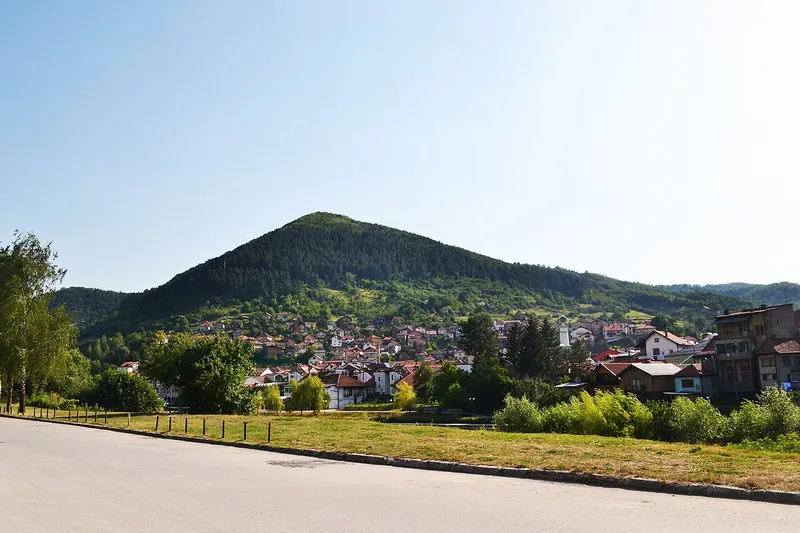
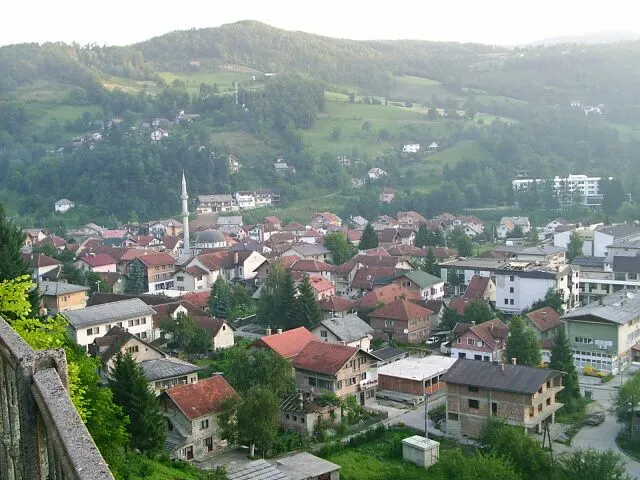
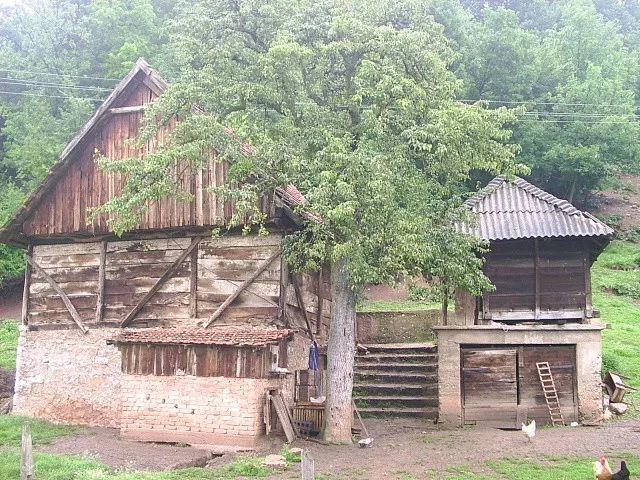
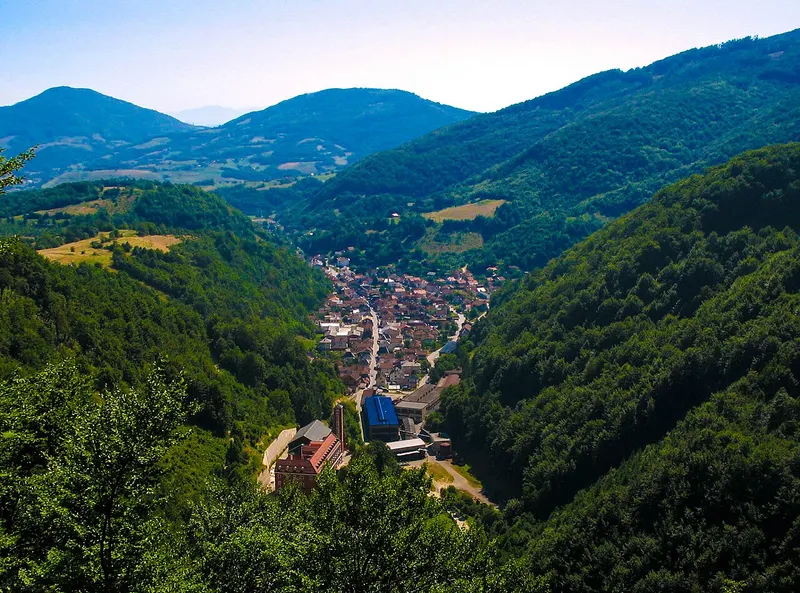
The old town is a national monument as a historic urban area. In the town centre, today's Ulica Fra Grge Martića, which was called Čaršija in Ottoman times, people worked, traded and lived in the same place, so a medieval town layout has survived. The Hadži Hasan Mosque was built in 1709, damaged in the war of 1992–1995 and restored in 2003. Of the 15 to 20 watermills that once stood here, two survive as ruins.
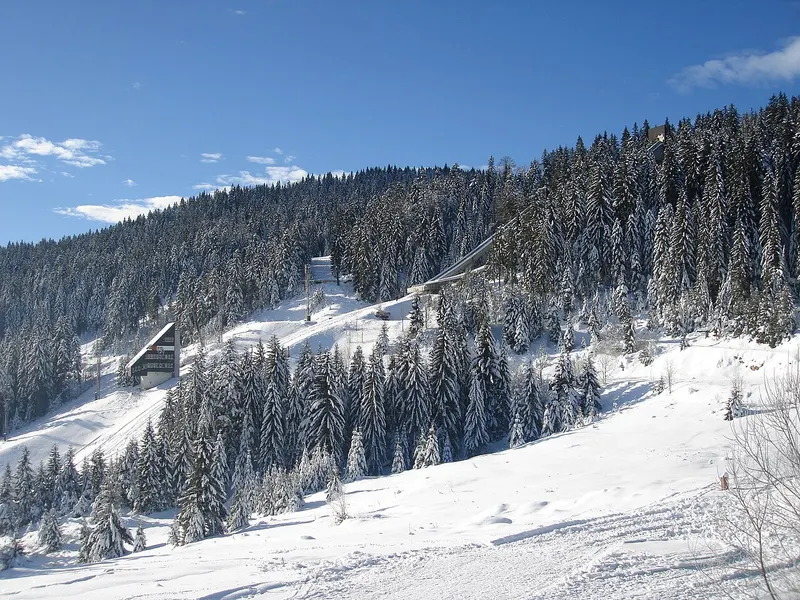
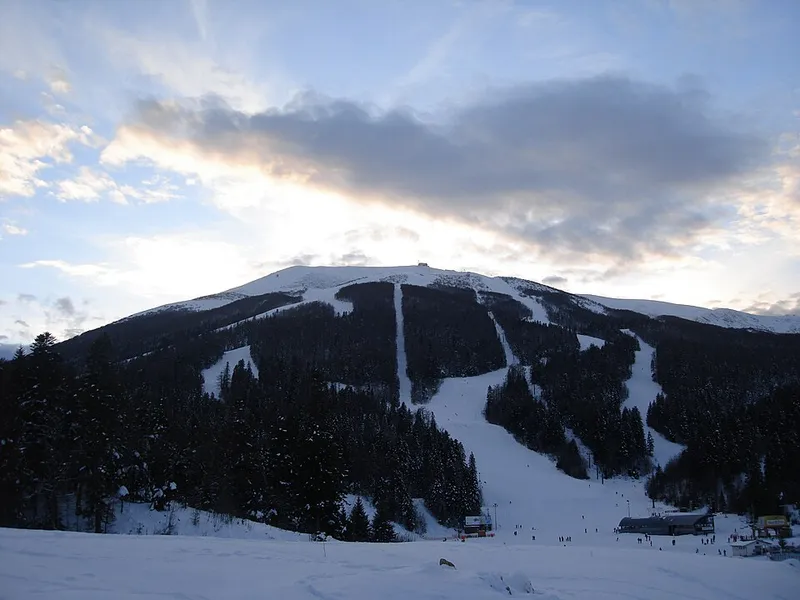
In the village of Vranci there is an old stone bridge that locals call the “Roman bridge”; when it was built is unknown. Above the village, by the Kostajnica stream, lies Oberska pećina, a medieval mine, probably for cinnabar and thus mercury, with stalactites, flowstone and draperies. Marked trails lead up Bitovnja, Lopata, Visočica and Inač and can be walked alone or with a guide, while Inač and Meoršje are suitable for paragliding.