A town of miners and goldsmiths
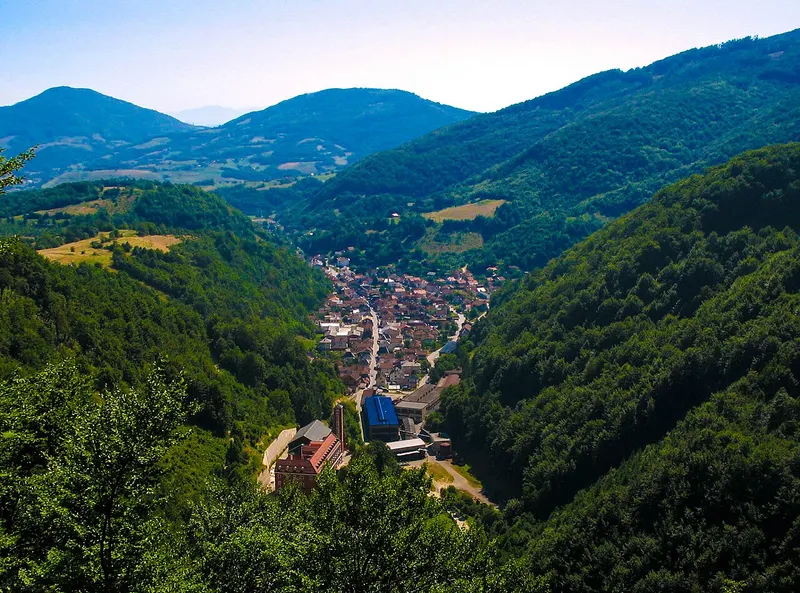
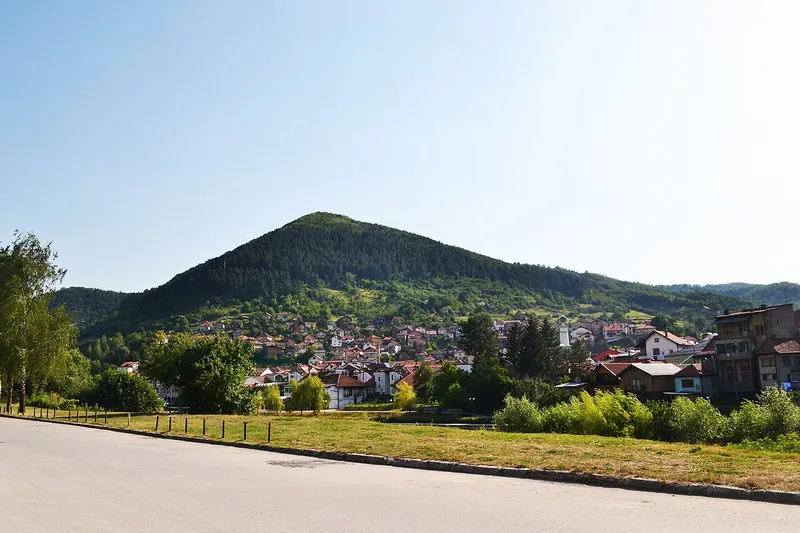
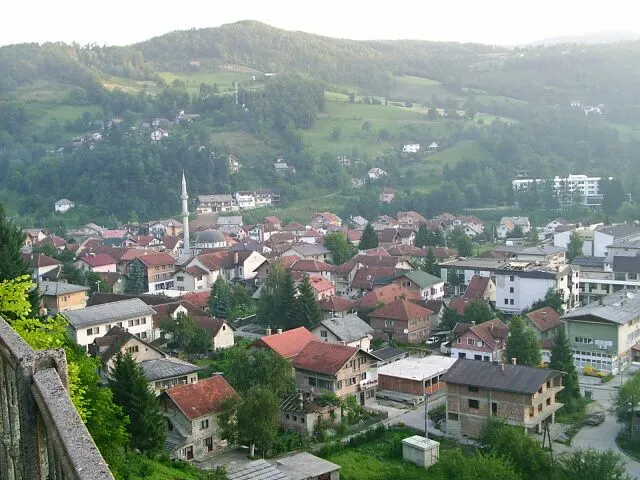
Fojnica is first mentioned in writing on 18 March 1365, when Hans and Nikl Sasinović sold half of their mining pits to citizens of Dubrovnik; early documents call the place Hvojnica. Iron, silver and gold were processed here. In the first half of the 15th century the urban part had more than 2000 inhabitants, with a strong Dubrovnik community, and a mint probably operated here too. The goldsmiths' workshops of the 15th century earned the place the nickname “town of friars and goldsmiths”; pieces of their work are now kept in the monastery museum.
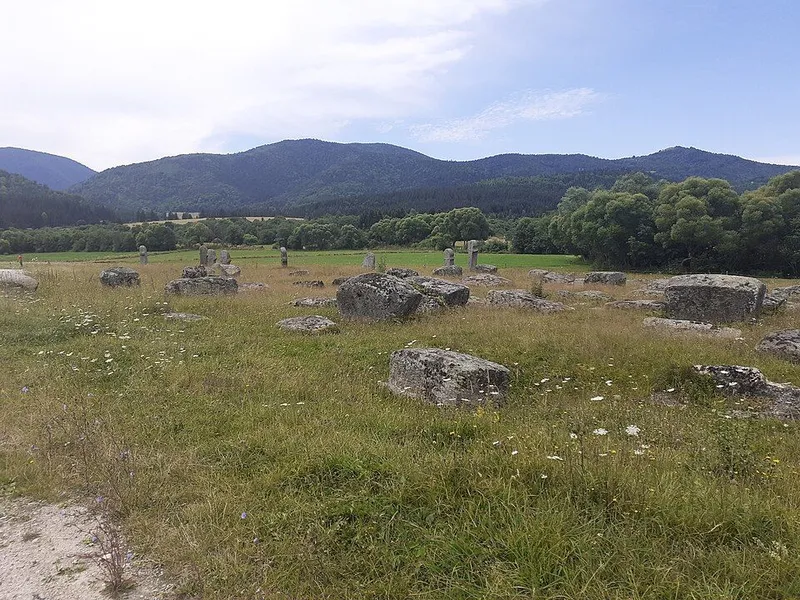
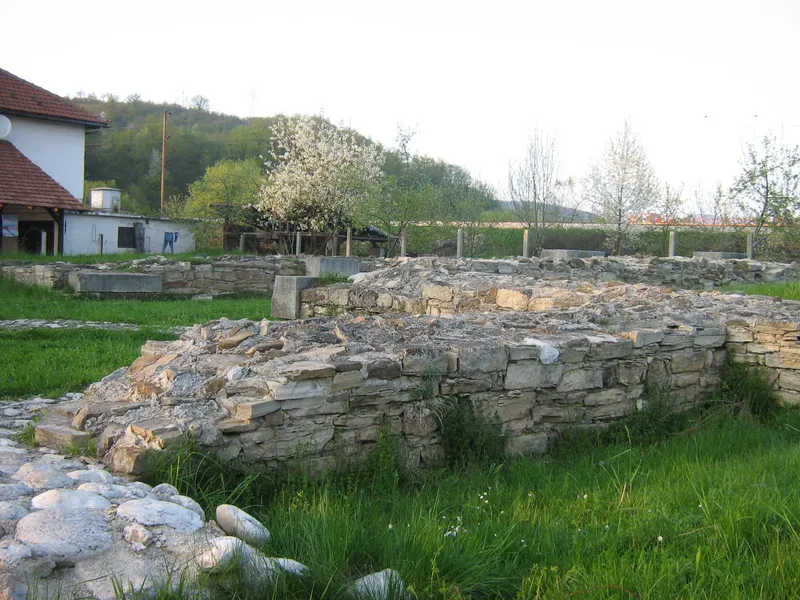
The municipality has stećak necropolises and medieval fortresses such as Kozograd, Zvonigrad and Kaštel. The remains of Kozograd lie about 3 kilometres south of the town as the crow flies, at 1431 metres on Mount Zec. In 1444 King Tomaš's chancery was temporarily housed here, and in 1463, after the arrival of the Ottomans, Queen Katarina stayed here before she later went to Rome. Kozograd has been a national monument since 2015.
The Holy Spirit monastery
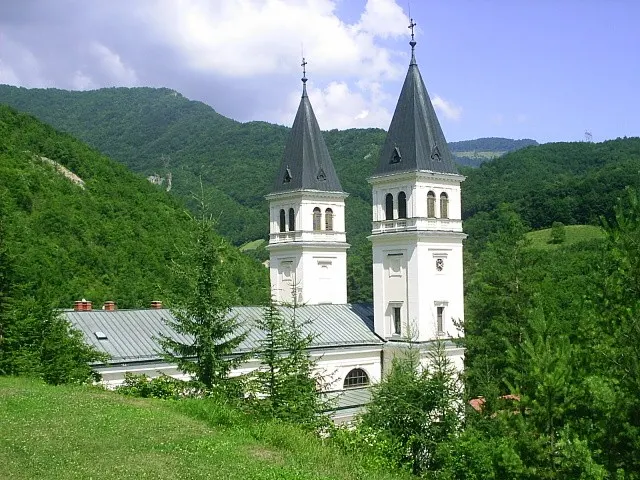
The Franciscans have a history of more than 650 years in Fojnica; their monastery was destroyed several times, burned and was rebuilt again and again. The first monastery, with a church of St Mary, stood at Pazarišće in the north of the town. Between 1521 and 1524 the monastery and church were destroyed during a persecution of Catholics; because of constant harassment the friars moved to the lower slopes of Križ hill, where both still stand. A great fire in 1664 destroyed the monastery, the church, the library and the archive; the monastery was rebuilt from 1666 to 1668 and the church in 1669.
The present church was built in 1888 to plans by Josip Vancaš in Renaissance style, with a dome over the crossing. In 1894 Josip Oisner painted its interior with floral ornaments and saints in medallions. Since 2011 the church and monastery, together with their surroundings, have been a national monument.
Museum, Ahdnama and armorial
The museum opened in 2014 in a new building on the site of the old monastery wing, which had been demolished in 2000 because it was dilapidated, and it was nominated for the European Museum of the Year award. Among the monastery's treasures is the Ahdnama: with this decree, issued at the Ottoman conquest of Bosnia, Sultan Mehmed II assured the Franciscan Anđeo Zvizdović of protection for the Bosnian Franciscans and the Catholic Christians, and guaranteed freedom of religion, movement and property.
The museum also holds the Fojnica Armorial, one of the partly fictional “Illyrian” armorials with the coats of arms of Bosnian, Croatian, Montenegrin and Serbian families. Also on display are folk costumes, tools, edged weapons and firearms, and a collection of minerals and ores. The library and archive hold 13 incunabula and more than 3000 Ottoman documents.
Thermal springs, waterfalls and Vranica
The radioactivity and healing properties of the thermal springs were discovered in the late 19th century; today Fojnica is also a spa town. About 10 kilometres from the town, the five Kozice waterfalls drop 5 to 20 metres over the rocks in dense forest. The forest path is just under a kilometre long, and sturdy footwear is a good idea.
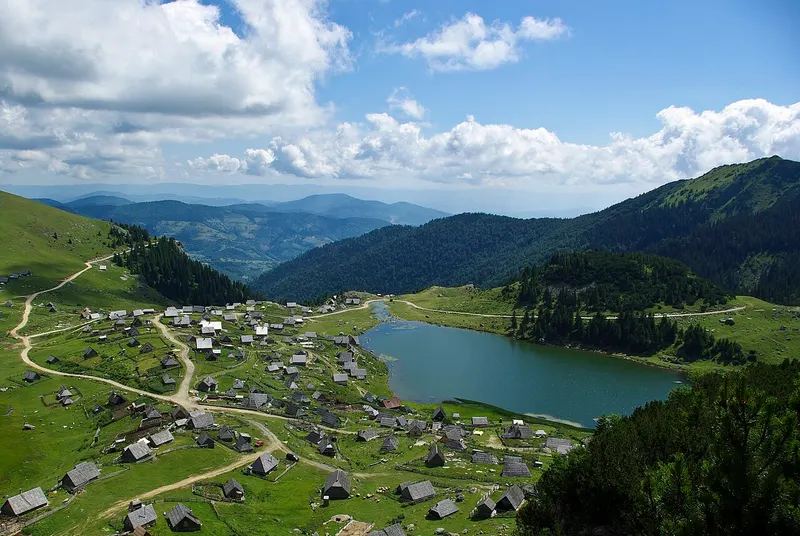
Above Fojnica rises Vranica, with several peaks over 2000 metres; the highest is Nadkrstac at 2112 metres. On the mountain lies Prokoško Lake, at 1600 or 1670 metres depending on the source, surrounded by wooden huts with shingle roofs and a small wooden mosque. A rare, protected subspecies of the alpine newt lives in the lake and is threatened by stocked rainbow trout; the area has been a natural monument since 2005. Dispose of litter carefully and avoid quad and dirt bike tours.