Forest, karst and water
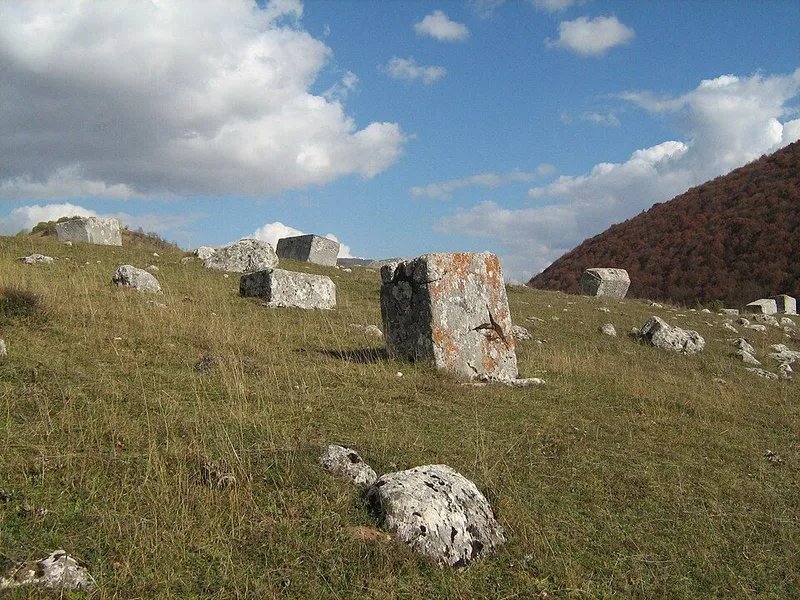
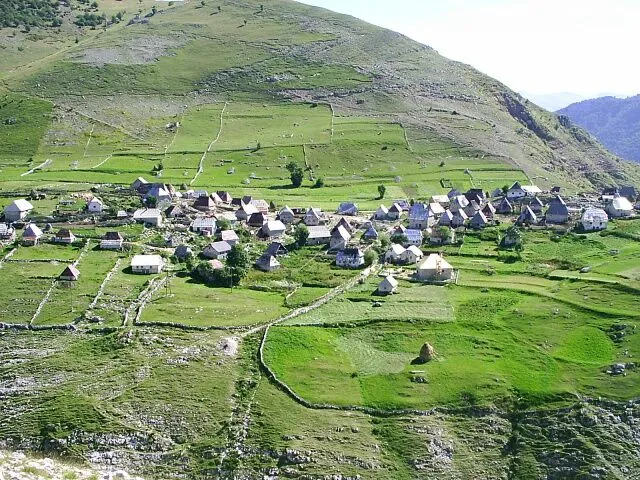
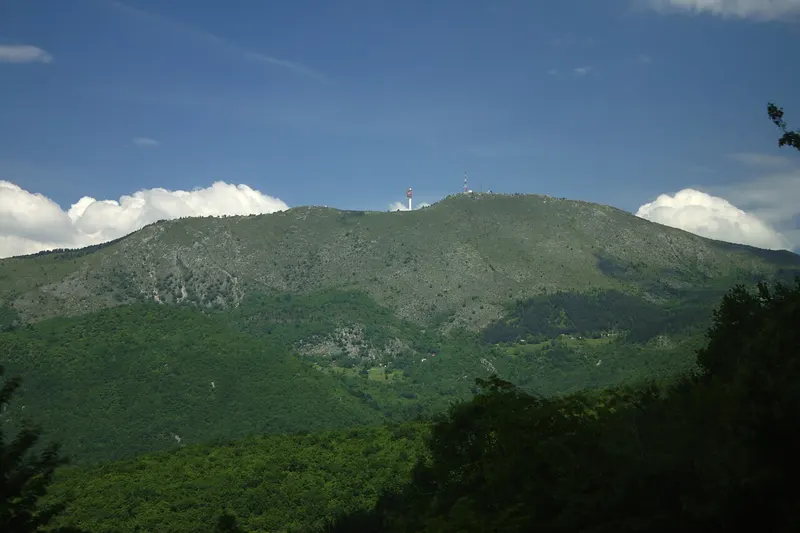
Geologically Igman belongs to the Dinaric Alps and consists mostly of limestone. At Crni vrh it reaches 1502 metres. The plateau is largely covered with mixed forest, broken up by mountain pastures such as Veliko Polje (Large Field) and Malo Polje (Small Field) and by typical karst features such as sinkholes, uvalas and limestone pavements.
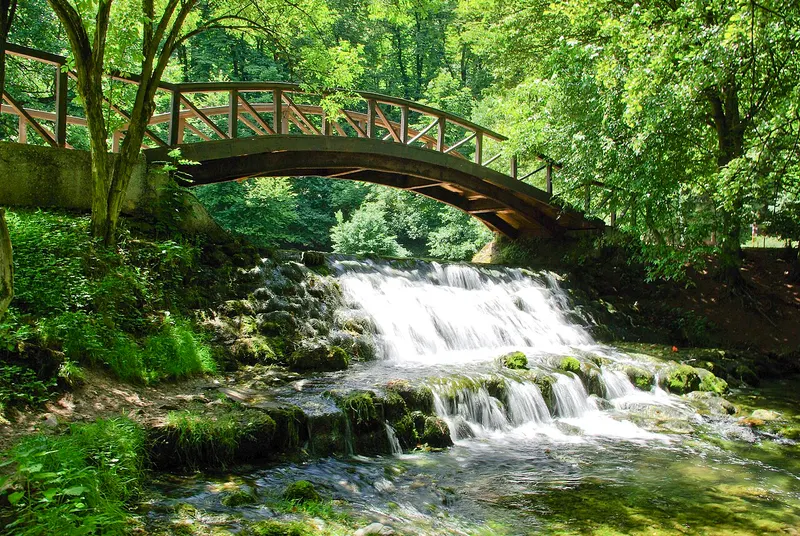
The Bosnian lily, a plant endemic to Bosnia and Herzegovina, grows on Igman, and Ravna Vala, one of the country's primeval forests, lies on the mountain. Igman also matters to Sarajevo for its water: together with Bjelašnica it protects springs and groundwater that supply the city, and at its foot near Ilidža the Bosna river rises at Vrelo Bosne.
Olympic traces
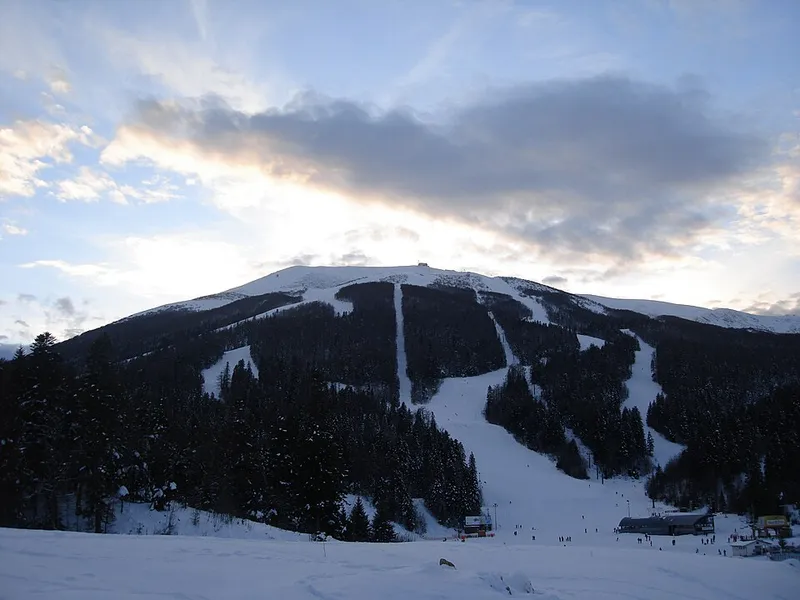
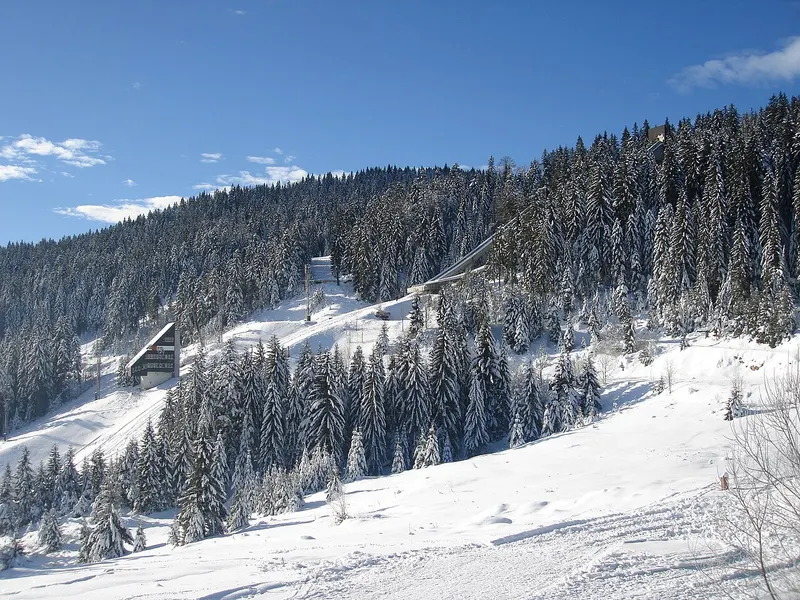
At the 1984 Winter Games Igman was one of the venues, alongside Jahorina and Bjelašnica. The jumps at Malo Polje hosted ski jumping and the jumping part of the Nordic combined, while Veliko Polje hosted the biathlon and cross-country skiing. A road was built across the plateau for the Games, linking Sarajevo via Hadžići with the venues. Work on the jumps began in 1980 and was finished in 1982; during the Games Finland's Matti Nykänen set the large hill record of 116 metres in front of 90,000 spectators.
Hotels and ski facilities were destroyed in the war. The jumps have been out of use ever since, their structures pockmarked by bullet holes. Veliko and Malo Polje are in use again, however, with up to 39 kilometres of cross-country and biathlon trails and children's ski slopes with lifts.
Igman in wartime
On the night of 27 to 28 January 1942 the First Proletarian Brigade of the Partisans crossed Igman in extreme cold. This Igman March is one of the well-known episodes of the Yugoslav National Liberation War, and a monument on Veliko Polje commemorates the Partisan struggle in the area.
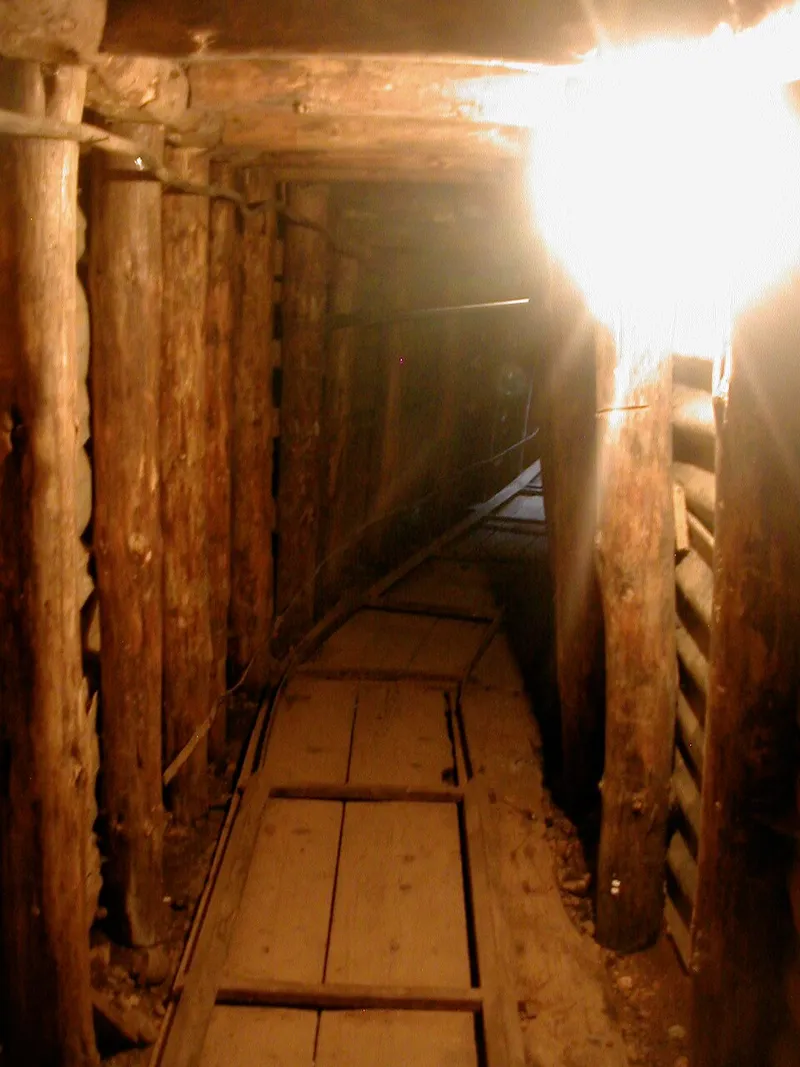
During the Siege of Sarajevo from 1992 to 1995 Igman was of major strategic importance. Once the tunnel under the airport was completed in July 1993, the narrow forest road over the mountain became virtually the only supply route into the city. Bosnian army soldiers built a wooden mosque in the forest at the time, which still draws many visitors today. On 19 August 1995 a French armoured personnel carrier carrying members of a US peace mission left the road and tumbled some 400 metres down the slope; the diplomats Robert Frasure, Nelson Drew and Joe Kruzel and the French driver were killed. A memorial site recalls them.
Tips for your visit
Igman is a destination for hiking, mountain biking and skiing. In summer you can rent a bike on Veliko Polje and use marked trails, and the former wartime road up from Hrasnica is popular with mountain bikers. Take care off the beaten track: Igman saw heavy fighting during the war, and some areas, above all around the former front lines, are considered to carry a mine risk; demining work there is still going on. So it is wiser to stay on marked trails.