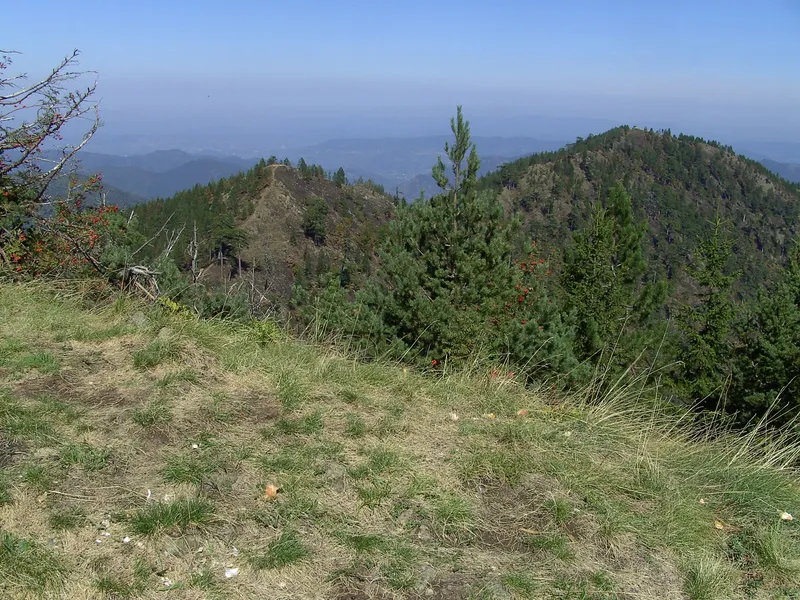
Ponijeri
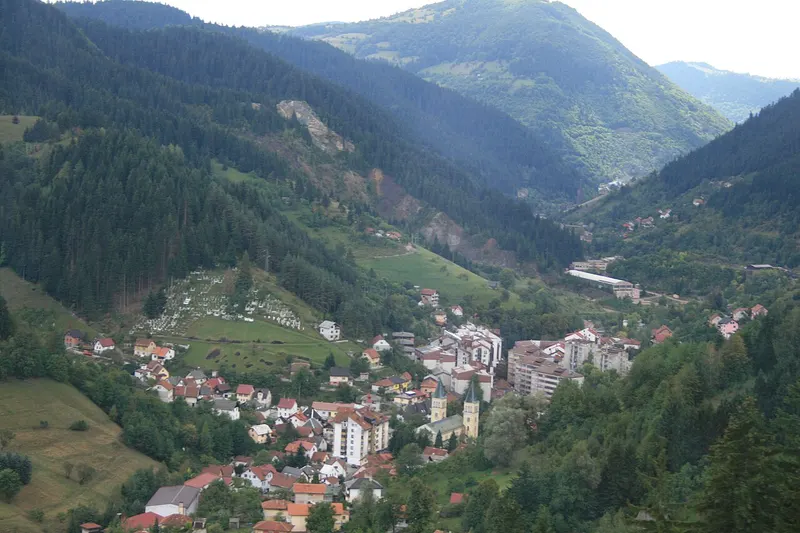
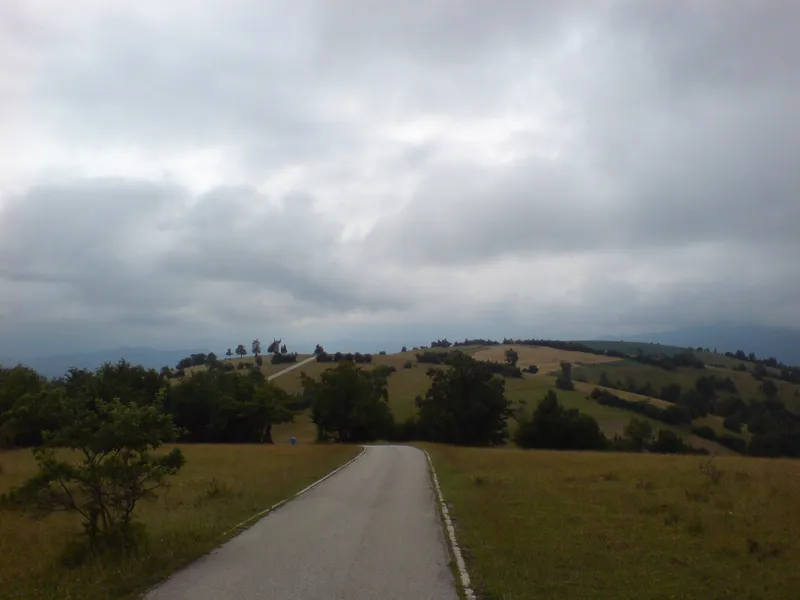
Ponijeri lies in the Ravna planina massif, which stretches between the municipalities of Kakanj, Zavidovići, Vareš and Zenica; its highest summit is Tajan at 1,297 metres. Because of its altitude the place is regarded as a climatic resort. Many rivers and streams rise at the foot of Ponijeri, among them the Suha, Marošićka rijeka, Žuća, Ribnica, Mala rijeka, Boriva and Lužnica.
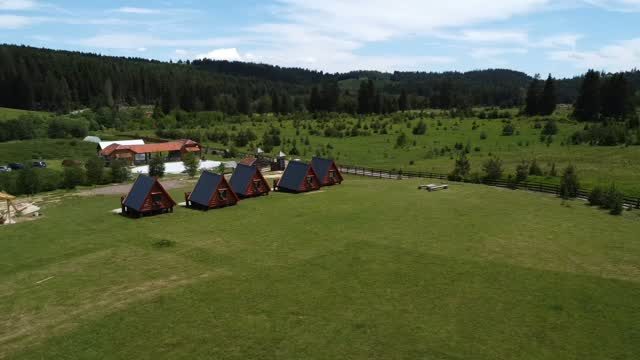
For sport and recreation there are pitches for beach volleyball, football and basketball, and laid-out routes for running, cycling and hiking. Mushrooms, medicinal herbs and wild berries grow in the forests. In winter Ponijeri becomes a sledging and skiing area with a ski lift.
Karst, sinkholes and springs
The name Ponijeri comes from “ponor”, a sinkhole where water disappears underground; there are several of them here. After the Second World War the water of the streams was dyed, which proved that the water sinking in the middle of Ponijeri re-emerges as a spring at the foot of Ponijeri.
The central part consists of Triassic limestone. Water and tectonic movement have shaped a small karst field, three larger karst depressions and numerous sinkholes, caves and shafts. Water that sinks in Ponijersko polje and on Opaka ravan emerges at the spring of the Žuća. The northern, western and eastern parts of Ponijeri belong to the Bosnian serpentinite zone, with basalts, serpentinites, peridotites and schists.
The Tajan Natural Monument
The law declaring the Tajan Natural Monument was passed at the beginning of 2008; the area belongs to IUCN Category III. It measures about 4,950 hectares, and its highest point lies at 1,297 metres. About 84.4 per cent of the area is in the municipality of Zavidovići and 15.6 per cent in Kakanj. It is managed by the forestry company of Zenica-Doboj Canton, based in Zavidovići.
The terrain is deeply dissected, and level ground is rare. There are many peaks, gorges, caves and shafts, including the Atom shaft, as well as sinkholes, stone bridges with caves, rivers, lakes, waterfalls and a large karst spring. The Mašica canyon is up to 350 metres deep and in places only 3 metres wide; when rain fills it with water, the Suhodol stream forms. There are also the canyon of the Suha and Duboka Tajašnica, a dammed lake on the Mašica that serves as a trout farm, and the waterfalls of the Gostović river.
Plants, animals and cave finds
Several endemic Dinaric plants grow in the natural monument. Gregersen's spurge (Euphorbia gregersenii) occurs only in the Tajan area; it is protected and appears on the 1997 IUCN Red List of threatened plants.
Because the area is uninhabited and forested, it is home to plenty of wildlife. Cave insects, spiders and reptiles live in the underground cavities, and the caves serve as winter quarters for bats and brown bears. The streams hold brown trout and crayfish. Remains of the cave bear, the cave hyena and red deer have been found in the caves. In Ukrasna pećina an endemic woodlouse named after the area, Cyphonetes tajanus, was also discovered.
Tips for your visit
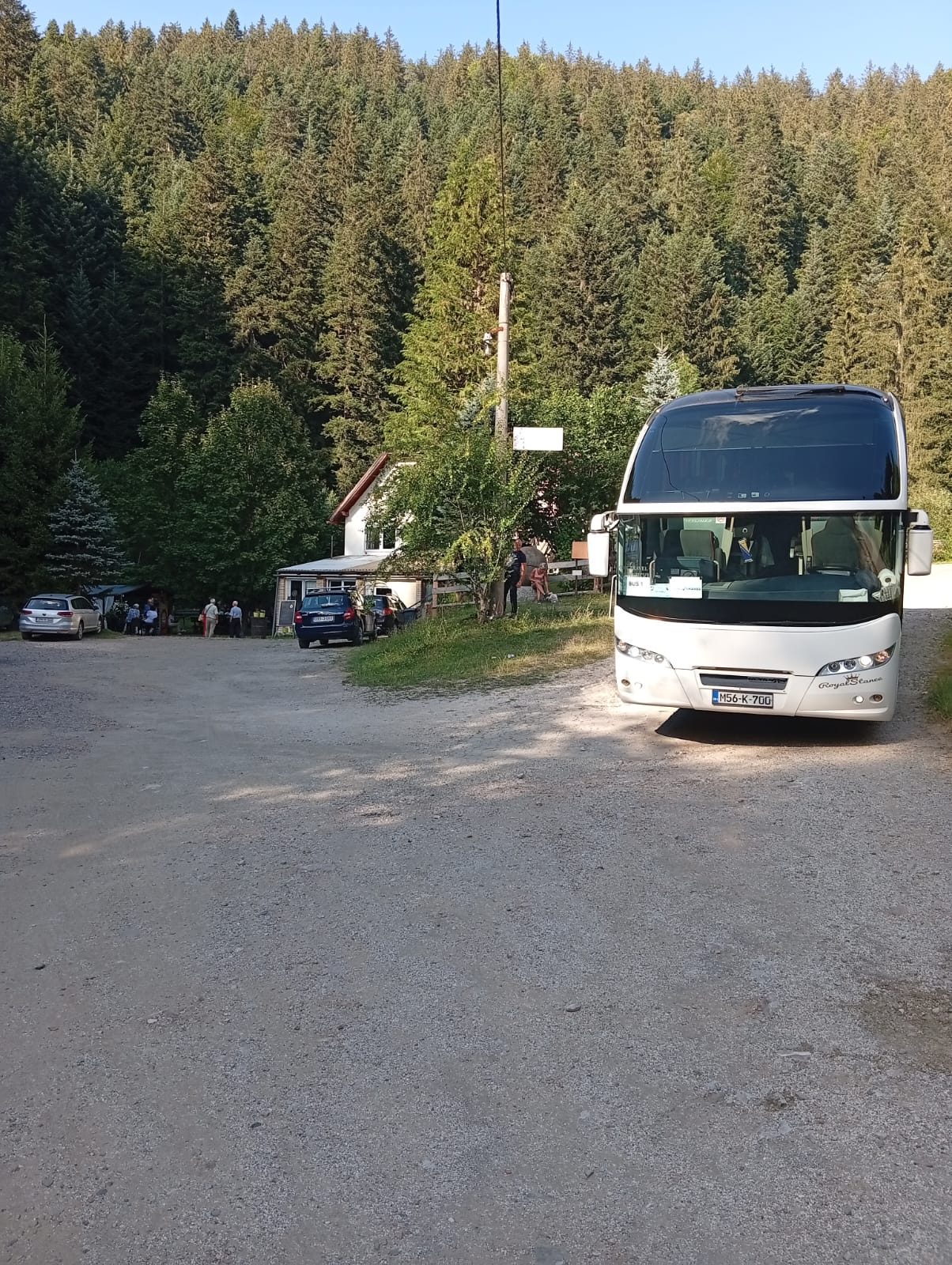
Four roads lead to Ponijeri: via Kraljeva Sutjeska, through the Ribnica valley, along the Mala rijeka, and along the Zgošća via Tršće, about 20 kilometres from Kakanj. Within the natural monument the sites are signposted with boards, arrows and trail markings.