Beginnings and journeys to Russia
The founding date is not known. Excavations in 2022 uncovered remains of an older church, probably from the Nemanjić period in the 13th or 14th century. The first written record of the monastery is a note in a Gospel book given by the Russian protopresbyter Jakov to Abbot Gligorije, proof that Papraća existed in the first half of the 16th century. Ottoman archives mention the church in 1540 and 1547, and the Ottoman census of 1528 names a priest, Radica of Papraća.
The monks kept close ties with Russia. In 1585 Abbot Zaharije received 120 roubles there from Tsar Feodor Ivanovich for the monastery. In 1645 Tsar Alexei Mikhailovich granted a charter letting the monks come to Russia every eight years to collect donations, and they kept travelling there even during the Austro-Turkish war of 1683 to 1699.
Decline and rebuilding
After a further Austro-Turkish war and the battle of Zvornik in 1717 the monastery fell into decay and stood empty until 1723; its estate passed to Ferhat-beg, a spahi from the Buda area. Only in 1853 did the priest Hadži Zaharije Popović from Osmak rebuild the church, as his tombstone by the south wall records; Serbs from Sarajevo also helped. He is said to have brought a small bell from Russia hidden in a barrel. The church was consecrated in 1869, and monastic life returned in 1880 with Abbot Pajsije Filipović.
A new konak was built in 1905 and a school in 1907. Between 1941 and 1945 the monastery was badly damaged and stripped, and the konak and school burned down. In 1954 the nun Varvara Božić from Tavna Monastery took charge with two novices and had part of the konak repaired. Between 1973 and 1975 the church gained a copper roof and a new iconostasis, and the monastery was formally consecrated on 21 September 1975. Today Papraća is a Serbian Orthodox monastery for monks.
The church and the complex
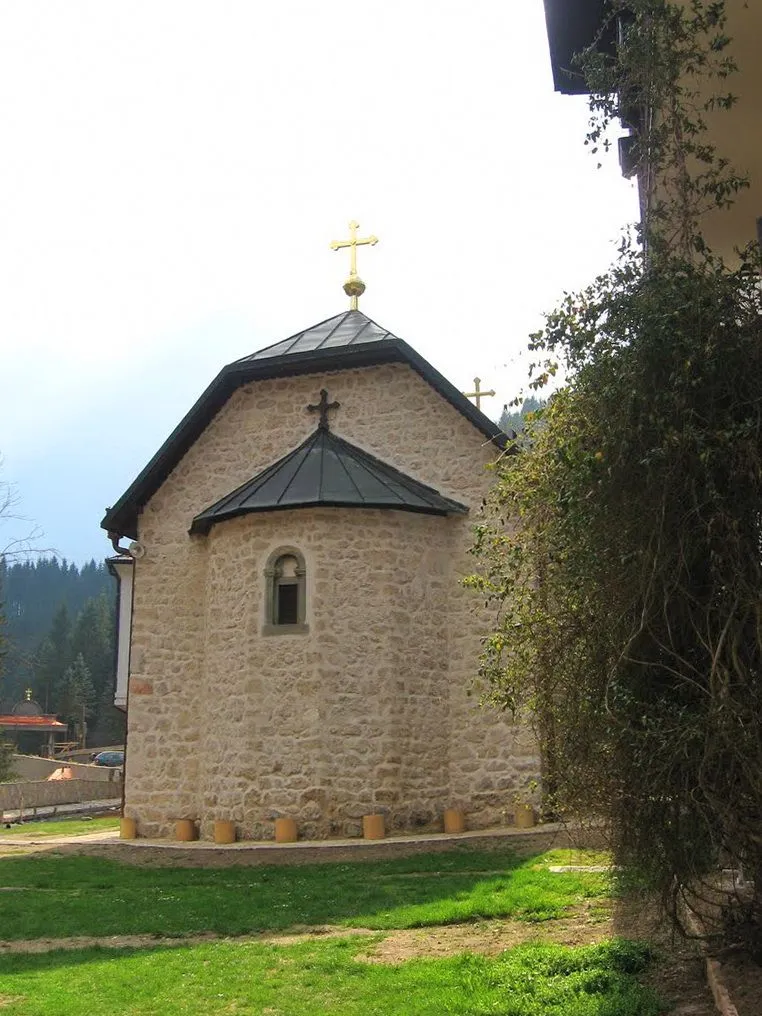
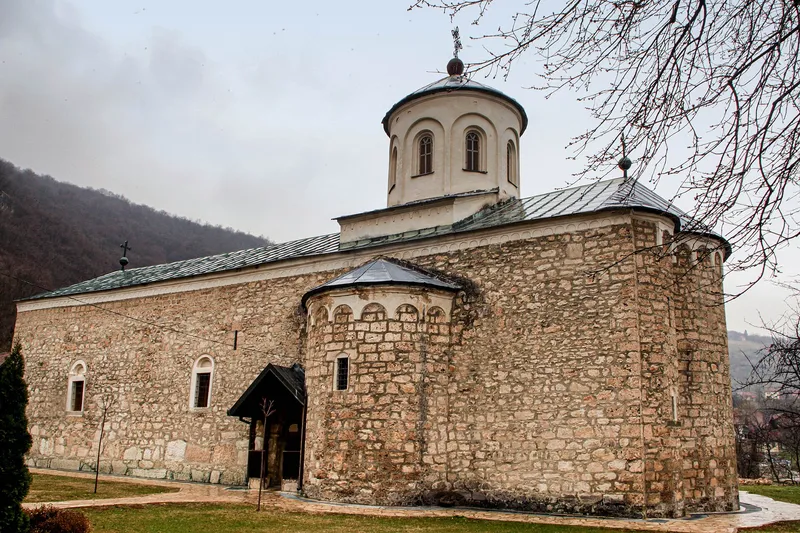
The church stands at the centre of the walled complex. Its triconch plan links it with the architecture of the Morava school; similar plans are found at Manasija and Ravanica in Serbia and, in Bosnia and Herzegovina, at Moštanica. Outside, the building is 30 metres long and 14.45 metres wide. Its central dome sits on a drum with eight windows and reaches about 16 metres above the floor.
Only local stone was used: limestone with sandstone for the walls, tufa for vaults and arches, and dark blue-green diabase for the door jambs. A fragment of a medieval stećak tombstone with a carved sword is set into the west wall, and more such stones are built into the surrounding walls. The Papraća river runs through the whole complex in a stone-lined bed broken up into cascades. Left of the entrance stands the three-storey bell tower with an onion dome, about 14 metres high.
The frescoes
Only fragments of the wall paintings survive. Before conservation work in 1968 just a few areas in the altar space and on the west wall were visible, and the work revealed further sections. The south choir shows Passion scenes such as Christ before Pilate and before Annas and Caiaphas, with warrior saints below, two of them still named: Demetrius and Nestor.
The painter is anonymous. The heritage commission places him close to the artists gathered in 1557 when the Peć patriarchate was restored, and dates the frescoes no later than the third quarter of the 16th century; a more precise date is still open. The throne icons of Christ Pantocrator and the Virgin and Child are by Milija Marković of Belgrade and were donated in 1857.
Setting and surroundings
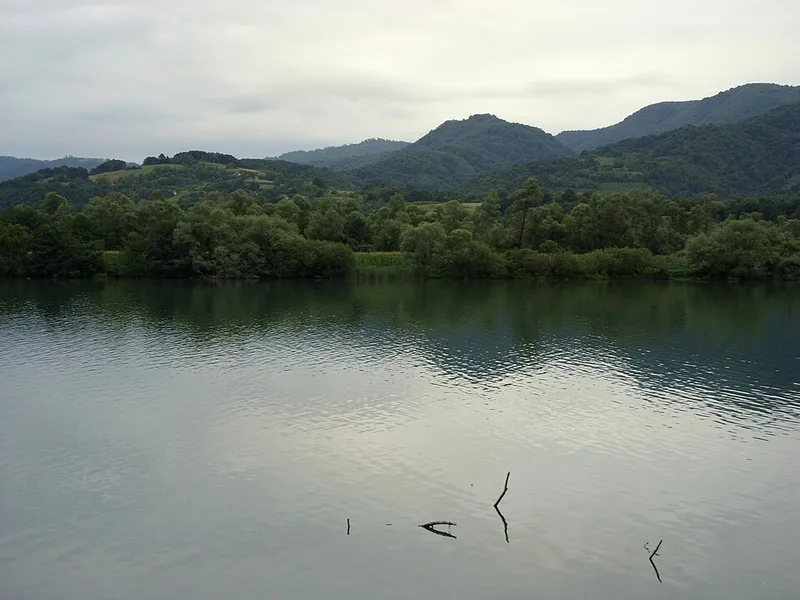
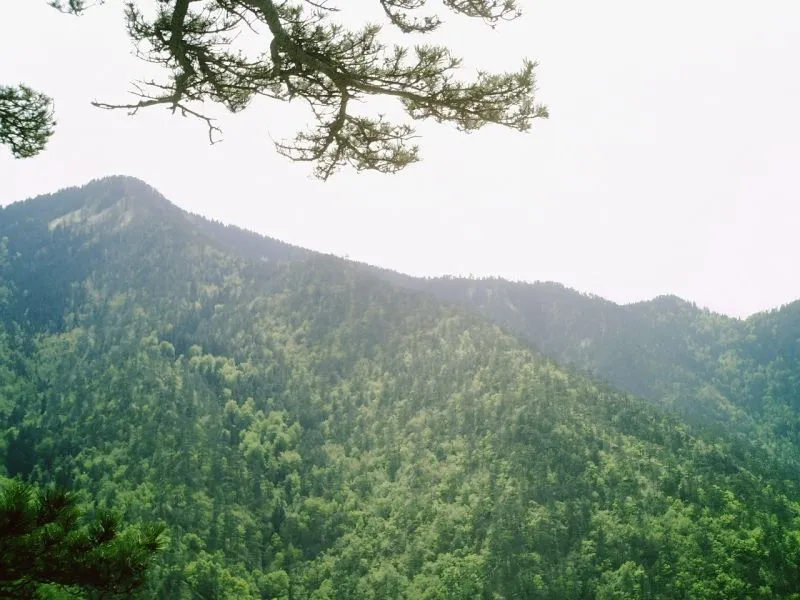
The monastery sits on level ground at the foot of Borogovo hill, on the road from Vlasenica via Šekovići to Zvornik, about 16 kilometres by road from Šekovići. Several necropolises with stećak tombstones lie nearby, including Vučevica, Pavlovići, Lemino Brdo, Bašići and Trišići, as does the medieval fortress of Perin-grad. Roman coins were found in Papraća itself in 1930. Lovnica Monastery is also not far away.