History
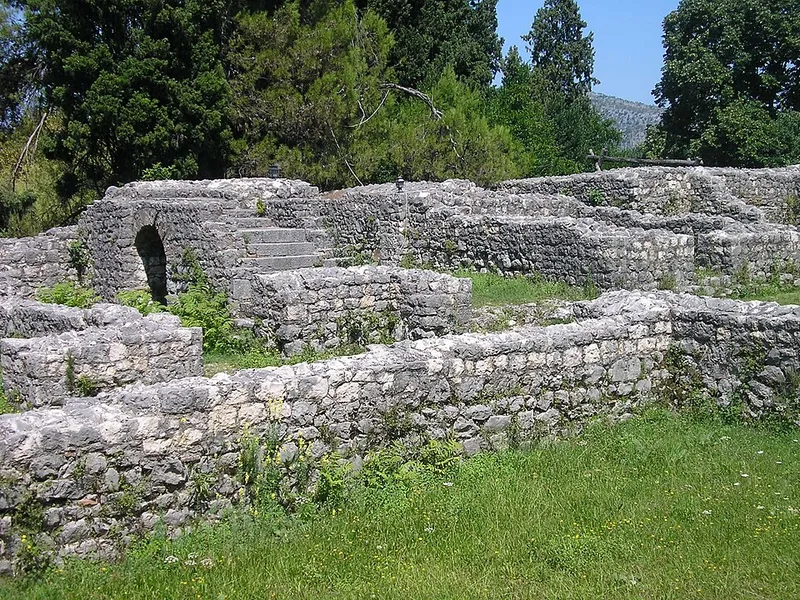
Numerous archaeological sites show that the area was already settled in antiquity. The town is first mentioned in 533, under the name Neuense.
Neum owes its place on the sea to the Republic of Dubrovnik. The Republic ceded the coastal strip to the Ottoman Empire so that a buffer zone would separate it from Venice's Dalmatian possessions and Venice could not attack it by land. The border goes back to the Treaty of Karlowitz in 1699 and was confirmed in 1718 by the Treaty of Passarowitz. The coastal strip remained Ottoman until 1878. Under Austro-Hungarian rule it was then, unlike Dubrovnik and the coast north of Neum, not attached to Dalmatia and stayed with Bosnia and Herzegovina. Because Tito's Yugoslavia formed its republics within their 1878 borders, Neum still belongs to the country today. It became a holiday resort from the mid-20th century; the first tourist accommodation was built in the 1950s.
A town on the border
The narrow coastal strip separates southern Croatia around Dubrovnik from the rest of Croatia. Anyone driving along the Adriatic Highway, the E65, therefore passes two border crossings: Neum 1 to the north-west and Neum 2 to the south-east. Since 2013 they have been external borders of the EU. The Pelješac Bridge, opened in 2022, bypasses Neum completely. Since 2022 the upgraded M-17.3 road towards Stolac has linked Neum with the interior.
Beaches and sea
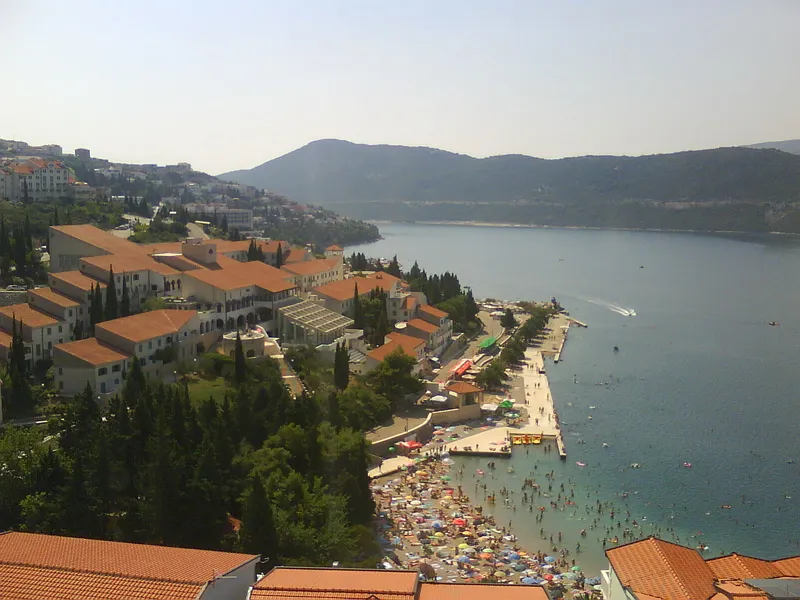
Four town beaches lie right on the waterfront promenade. They are pebbly with a gentle slope into the water, which makes them suitable for children too, and the sea in the bay is calm without big waves. Beyond them there are hidden coves for diving, and the quiet bay of Tiha Luka is good for swimming and kayaking. The water averages 13 °C in January and 28 °C in July and August. Besides evergreen Mediterranean vegetation, palms and agaves grow in and around Neum.
The hinterland
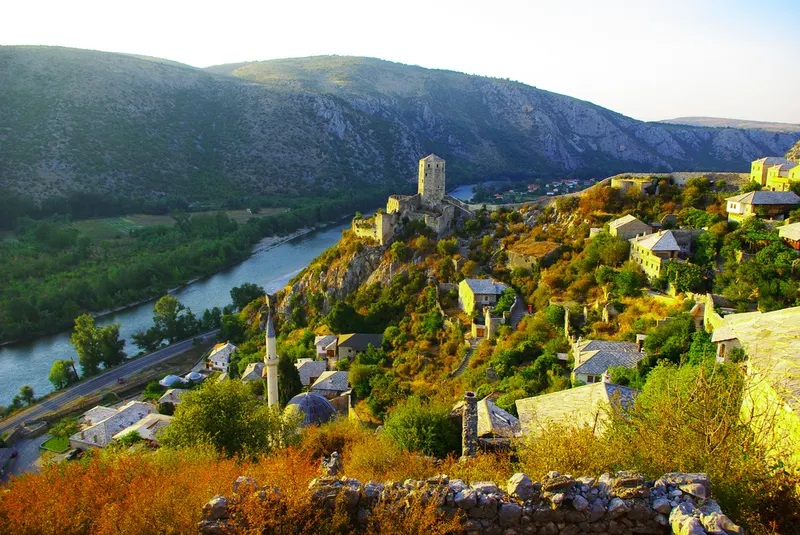
Hutovo Fortress stands at the foot of Mount Žaba. It is also known as Hadžibegov grad, after Hadži Mehmed-beg Rizvanbegović, who in 1802 became the first and only captain of the Hutovo captaincy. It stands on a hill above the Prešjeci pass, which salt caravans from Ston once crossed on their way inland. It once had nine towers; only one can still be made out today.
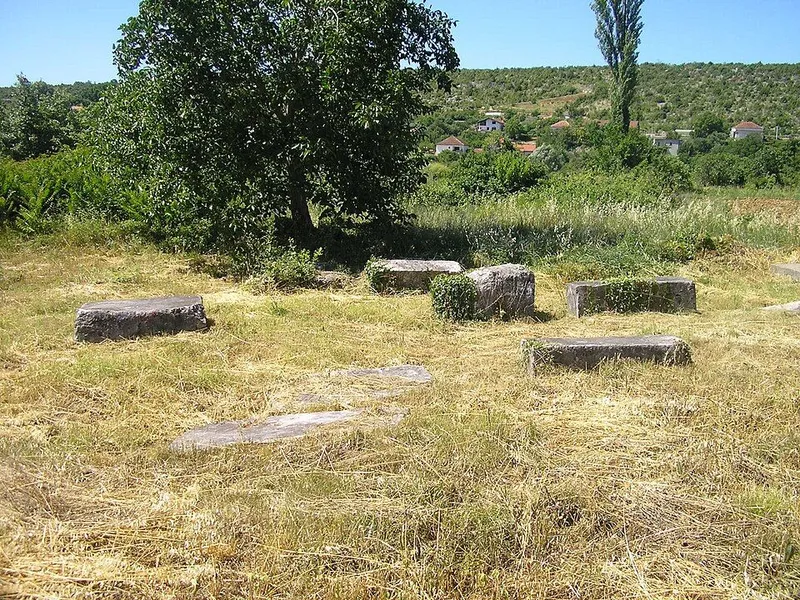
In Gradac stands the Church of St Anne, built in 1619 on the foundations of an older church. Vranjevo Selo was settled by the Romans as early as the 1st century BC. During construction of the Neum–Stolac road, the intact grave of an Illyrian warrior from the 5th century BC was discovered; the finds, including a helmet, are on display in the museum in Neum. Necropolises of stećci, medieval tombstones decorated with crosses, weapons, vines and horsemen, are found in Brštanica, Gornje Hrasno and Vranjevo Selo, among other places.
Tips for your visit
Two themed routes cross the hinterland: the Ćiro Trail, a cycle route along the former narrow-gauge railway from Mostar to Dubrovnik, and a section of the Way of St James that links Dubrovnik and Mostar over 140 kilometres in six daily stages.
The area has been known for its olives for centuries, and at the end of October Neum celebrates the olive harvest with a two-day festival. Grape varieties grown here include Žilavka, Blatina and Plavac. In summer, concerts and other events take place under the name Neumsko ljeto, mostly along the shore.