Between Čvrsnica and Vran
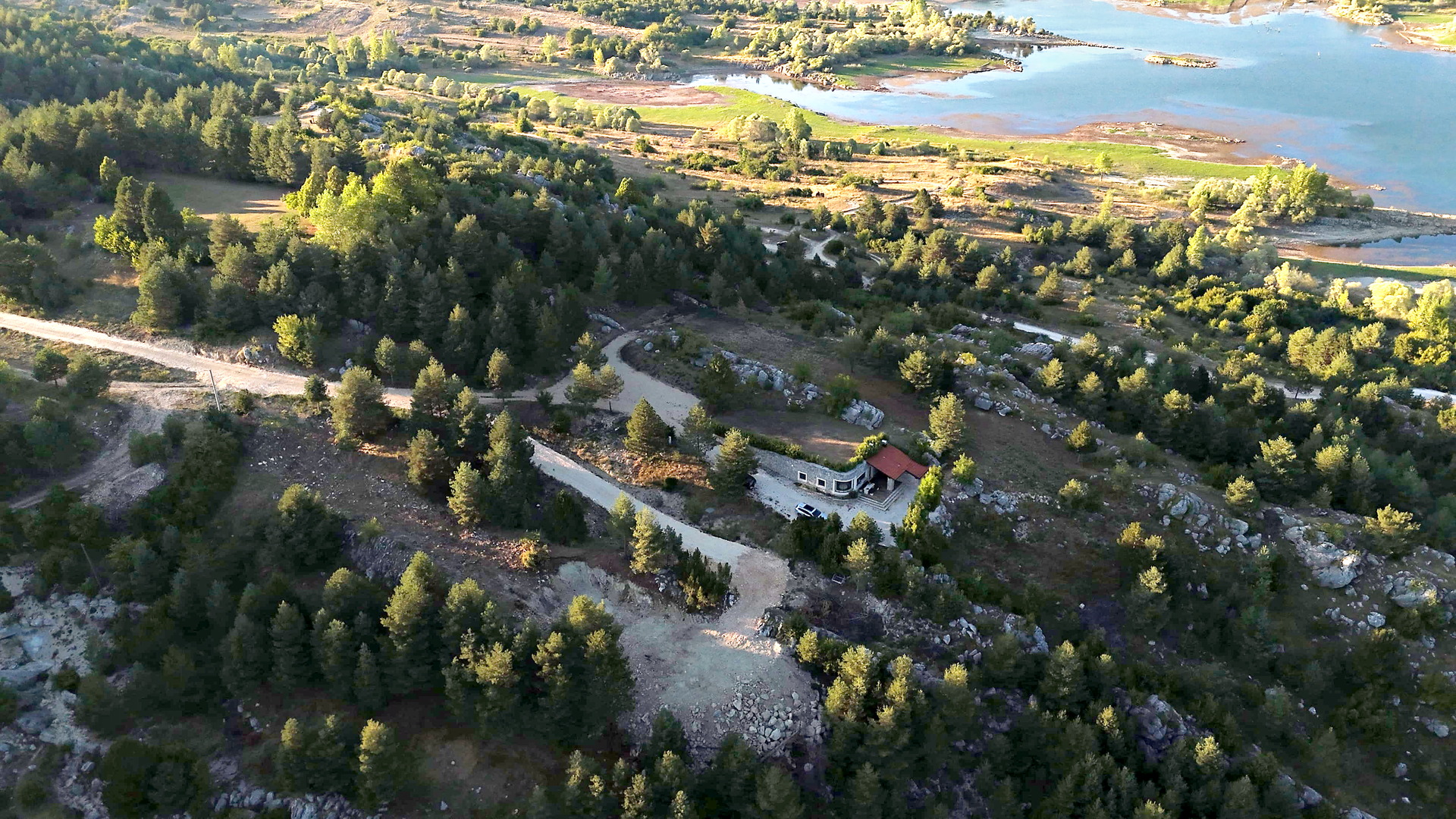
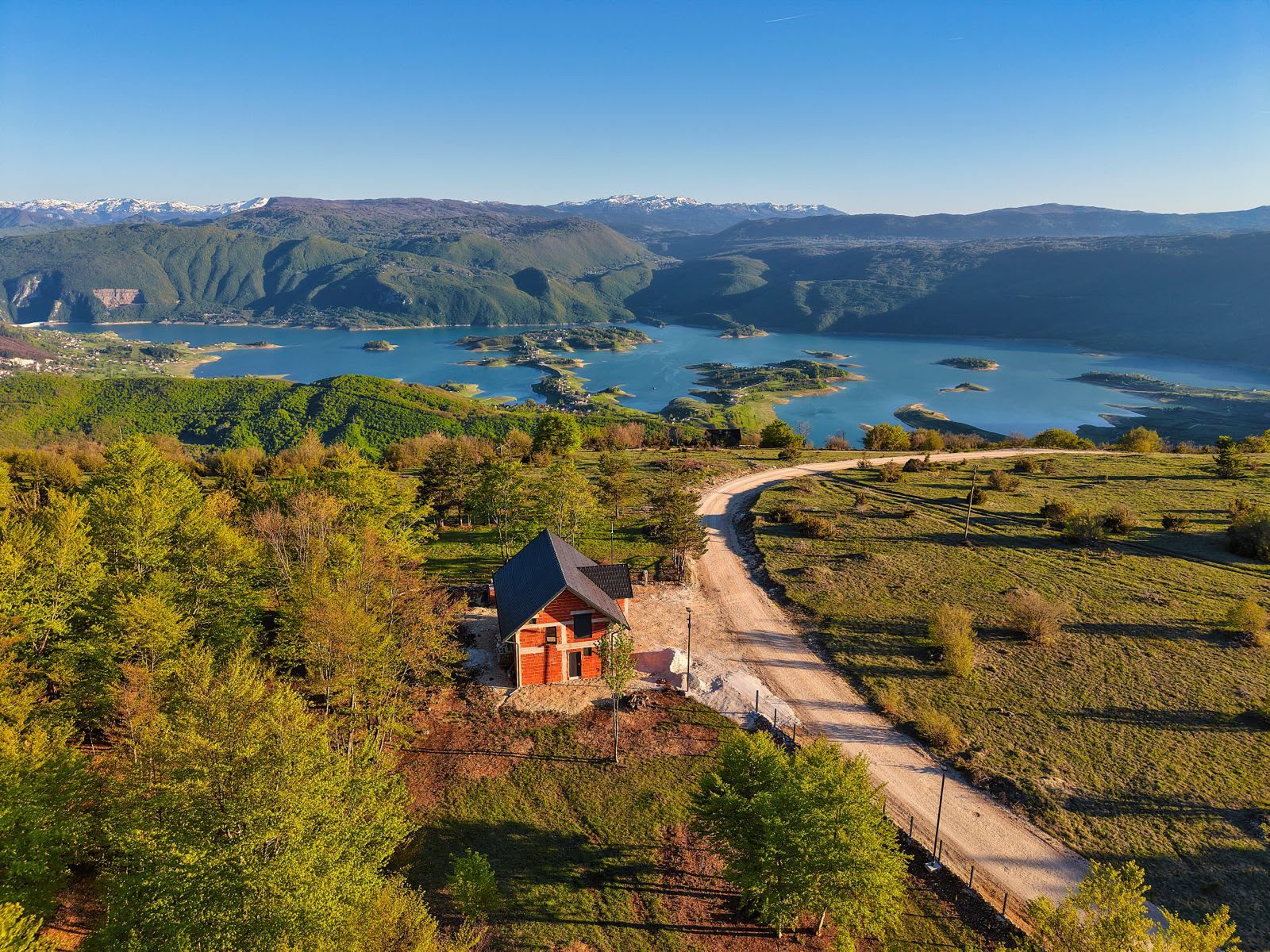
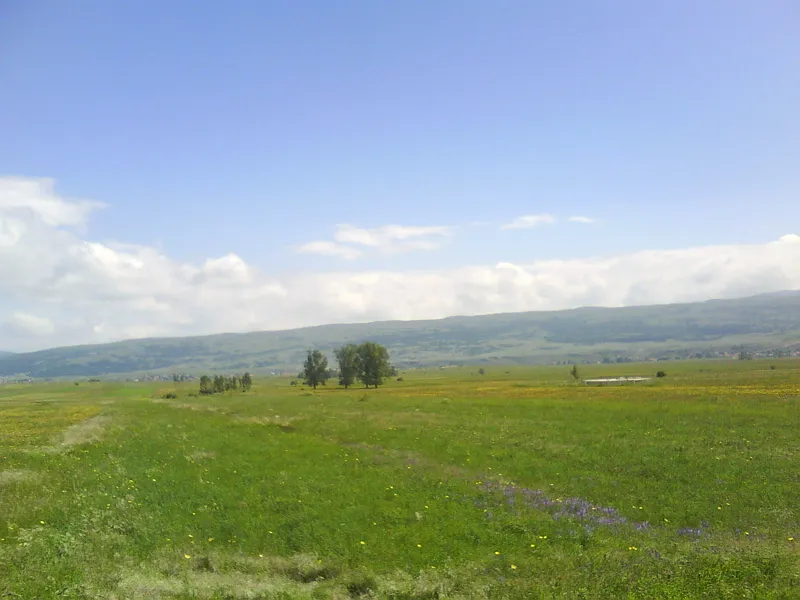
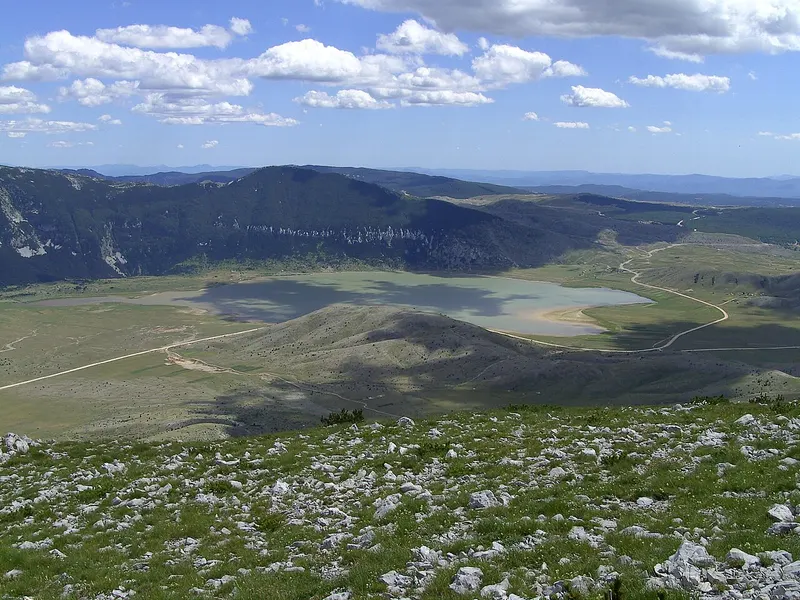
Between the massifs lies Dugo polje, a fault depression 14 kilometres long and about 3 kilometres wide on average. The terrain ranges from 1000 to 2228 metres. Čvrsnica reaches 2228 metres at Pločno, Vran 2074 metres at Veliki Vran.
Blidinje Lake
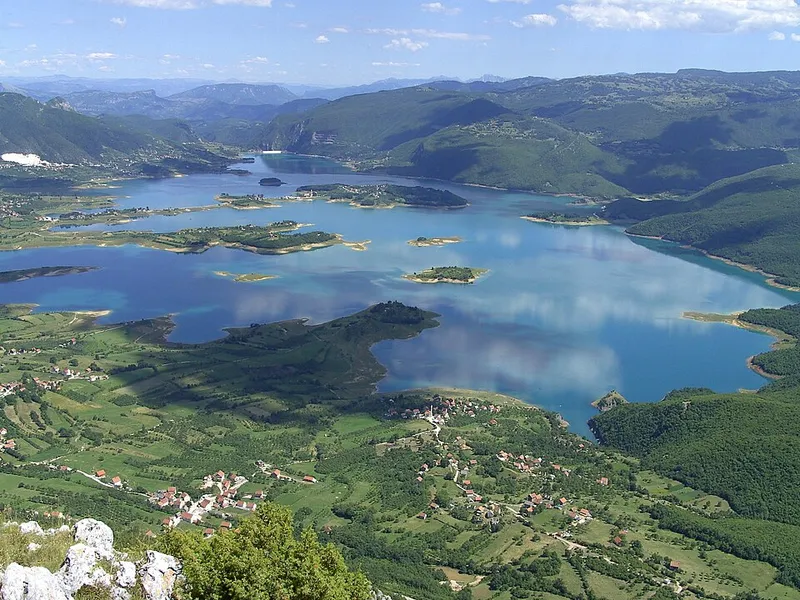
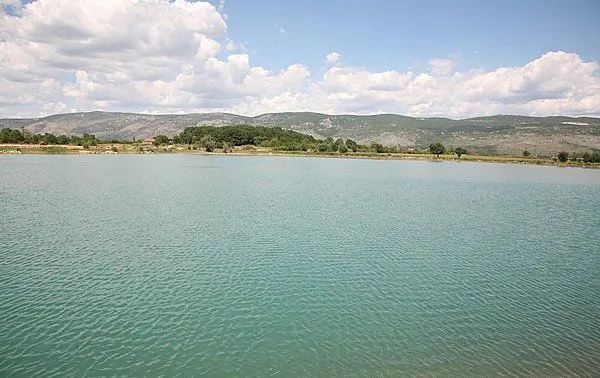
The lake lies at about 1180 metres on the floor of Dugo polje and is classed as a geomorphological natural monument. It is shallow, and its surface area varies widely. It has no surface inflows or outflows; its water comes from precipitation and seepage off Vran and Čvrsnica, mostly from the spring snowmelt. In summer much of it evaporates or drains away through sinkholes, and the water level drops markedly. The lake is home to an endemic fish, the oštrulja (Aulopyge huegelii).
Some publications call it a glacial lake, but a study published in the journal Geoadria in 2017 concludes that the lake was created artificially at the end of the 19th century. According to records of the parish of Poklečani, rainwater used to drain away through sinkholes until herders blocked them.
Plants and wildlife
Around 1500 plant species have been recorded in the park so far, including more than 200 endemic, subendemic and relict species. Most of the park is covered by forest, the rest by meadows and pastures. A characteristic tree is the endemic white-barked Bosnian pine (munika). It grows in large stands at Masna Luka, a managed nature reserve with pine and fir forests and many drinking-water springs such as the Jasle spring.
The park also has 122 recorded bird species, including rare and endangered capercaillie, golden eagle, booted eagle, short-toed eagle and griffon vulture. Mammals include chamois, roe deer and wild boar, as well as brown bear, wolf, lynx and wildcat.
Traces of history
It is not known for certain when people first settled here. Visible today are prehistoric burial mounds, Roman roads, ruins of medieval churches, necropolises with stećci, traditional mountain houses and many stone boundary walls. The park contains 11 medieval stećak necropolises. The tombstones date from the second half of the 14th and the 15th century and often bear rosettes, crescent moons, crosses and borders, along with hunting, jousting and round-dance scenes. The Dugo polje necropolis, on the way to Kedžara, has 150 stećci, mostly slabs and chests, and has been part of a UNESCO World Heritage site since 2016.
Kedžara holds the grave of Diva Grabovčeva: according to legend, this 17th-century girl refused to marry the Turkish Tahir-beg Kopčić and paid for it with her life. Every year on the first Sunday after the feast of Saints Peter and Paul a mass is held in her honour, attended by several thousand pilgrims.
Hajdučka vrata, Diva Grabovica and Masna Luka
The park's emblem is Hajdučka vrata on Čvrsnica, a ring of rock five metres across at 2000 metres above sea level, protected as a geomorphological natural monument since 1985. From here you look down into the Diva Grabovica canyon and across to Prenj. According to legend, men who joined the band of the hajduk (outlaw) Mijat Tomić had to pass through the ring to make themselves bulletproof. This is where the name Hajdučka vrata comes from, and some also call it Mijatov prolaz. The Diva Grabovica canyon is about 6 kilometres long and was shaped by karst erosion that followed glacial and river erosion.
At Masna Luka, at 1204 metres, stands the Franciscan house of prayer. Friar Petar Krasić began building here in 1982 and later also had the church of St Elijah and its bell tower built.