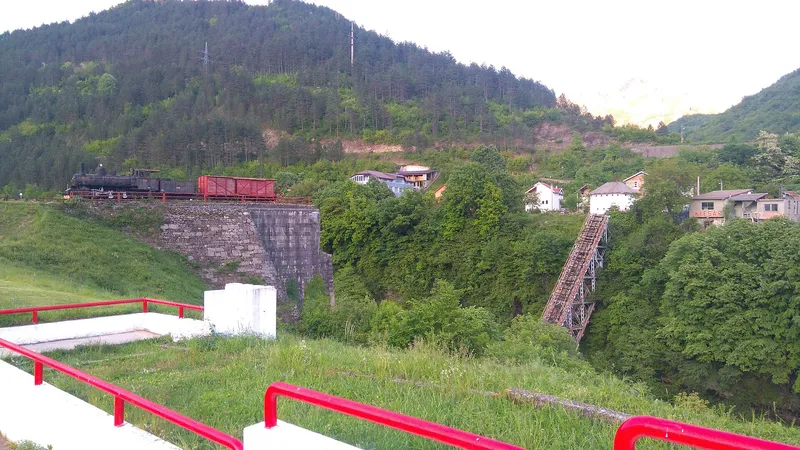
A small town on the Neretva
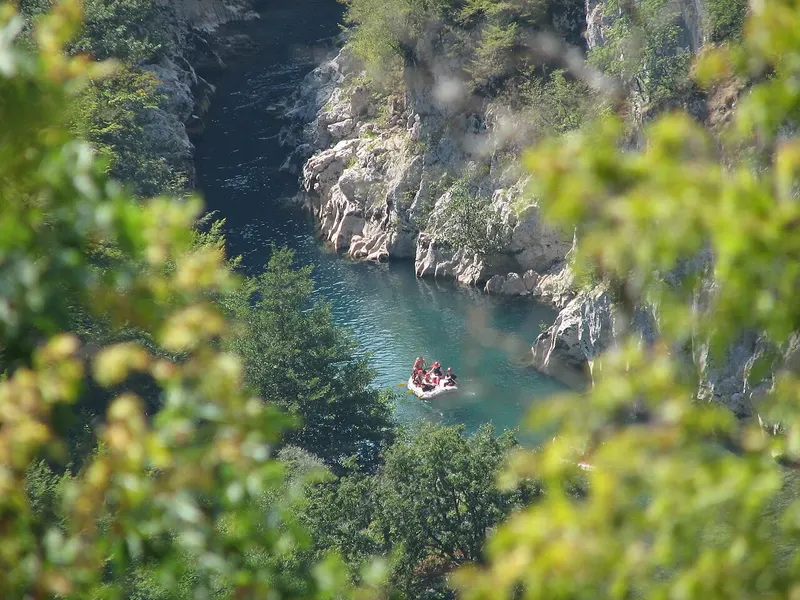
Jablanica belongs to Herzegovina-Neretva Canton and lies about 45 kilometres north-west of Mostar. The town spreads over several terraces at around 202 metres above sea level, in a valley opened up by a rocky canyon more than 30 kilometres long. The municipality had 10,111 inhabitants in 2013.
The development of the present-day town began with the Sarajevo–Mostar railway: the section through Jablanica opened on 22 August 1888, and barracks, a post office, a hotel and shops soon appeared around the station. From 1920 quarrying began of the black stone known as Jablanica granite, which is in fact a gabbro. It was used, among other buildings, for the UN headquarters in New York.
The Battle for the Wounded
In the Second World War Jablanica became a scene of the Battle of the Neretva, known in Yugoslavia as the Fourth Enemy Offensive. It began on 20 January 1943 with Case White, a joint Axis attack on the areas held by the Partisans in western Bosnia and parts of Croatia. They retreated south-east across the mountains in harsh winter conditions with almost 4000 wounded and thousands of refugees, and reached the Neretva at Jablanica.
On 3 March 1943 Tito had the railway bridge blown up to mislead the enemy about where his forces were heading. The Partisan engineer Vladimir Smirnov, known as Volođa, then built a makeshift wooden bridge in less than a day. More than 4000 wounded and sick, 80,000 refugees and the Partisan units with the Supreme Headquarters crossed it, an estimated 100,000 people in all. Saving the wounded was at the heart of the whole operation, which is also recalled in the name Battle for the Wounded.
The bridge and the museum
The original bridge was built in 1888 under Austro-Hungarian rule for the narrow-gauge Narentabahn railway. The Germans put up a new bridge in August 1943, and it too was destroyed: in 1968 Veljko Bulajić's film crew blew it up for the 1969 film The Battle of Neretva, for whose English version Pablo Picasso designed a poster. At the time the crew also built a road bridge upstream, which is still in use. The collapsed steel structure still lies on the left bank and is the central exhibit of the memorial.
Tito opened the memorial complex on 12 November 1978, the 35th anniversary of the battle. The museum building by Branko Tadić, Mustafa Ramić and Zdravko Dunđerović was then seen as an important example of brutalism, and large openings link the exhibition with the view of the bridge. On display are photographs, documents, weapons, uniforms and a model of the bridge. Since 13 July 2009 the bridge has been a National Monument of Bosnia and Herzegovina.
The lake and the mountains
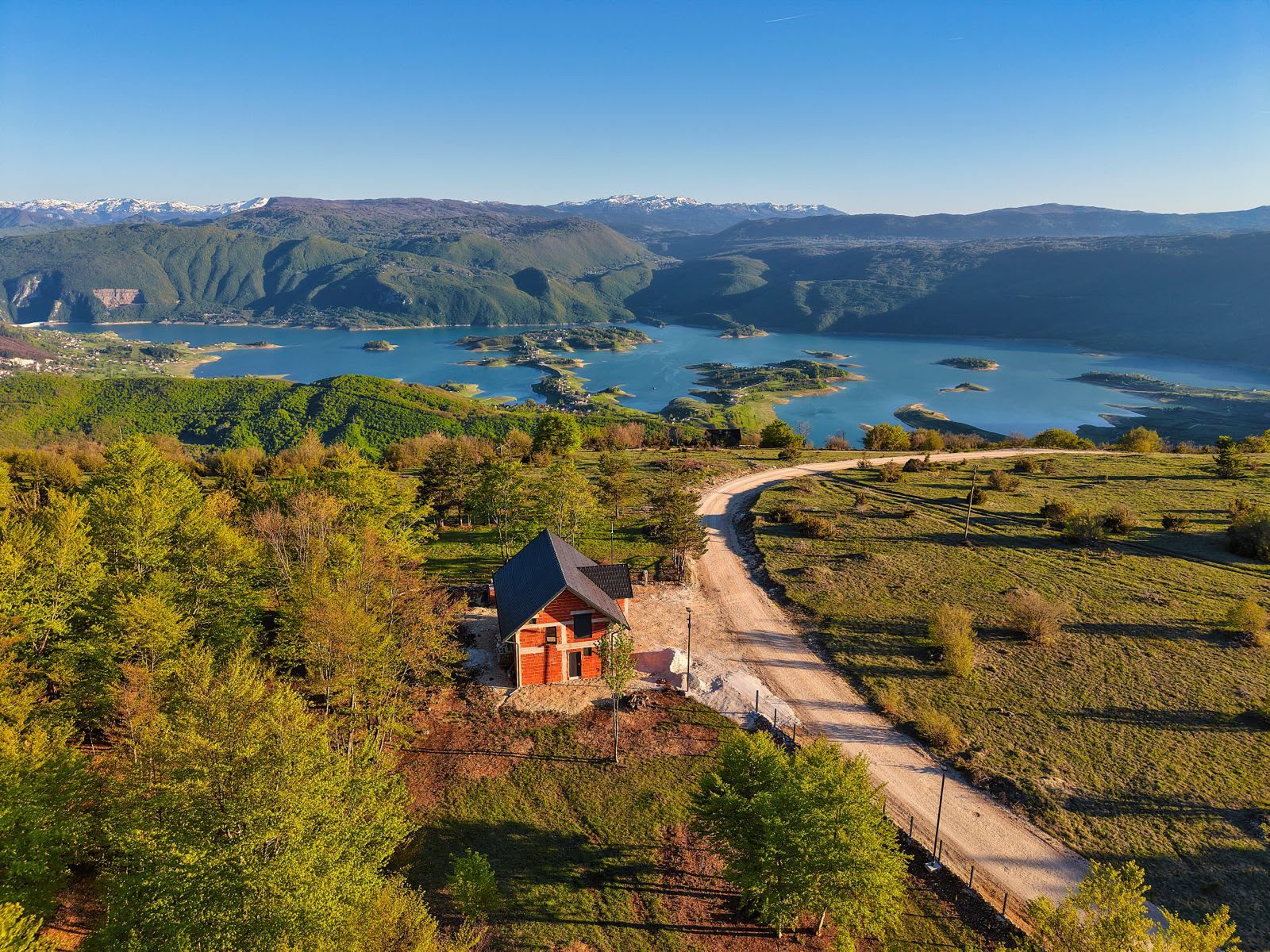
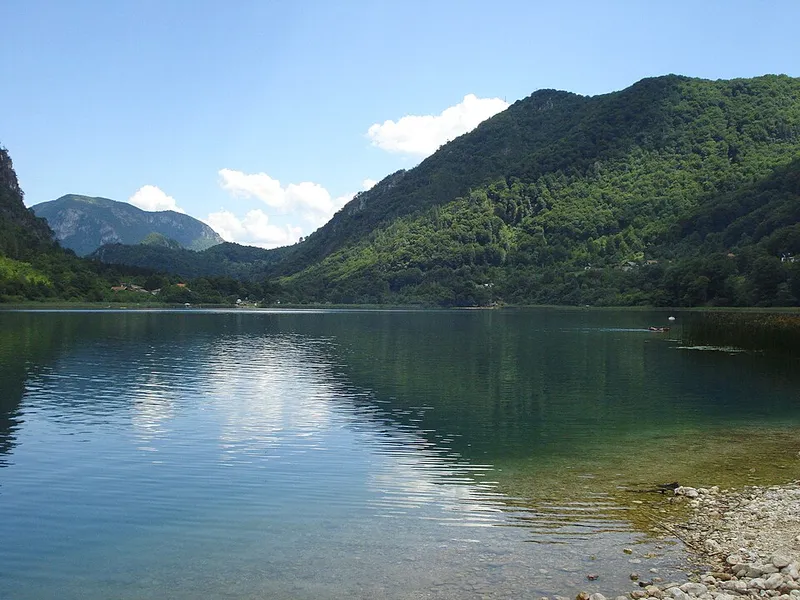
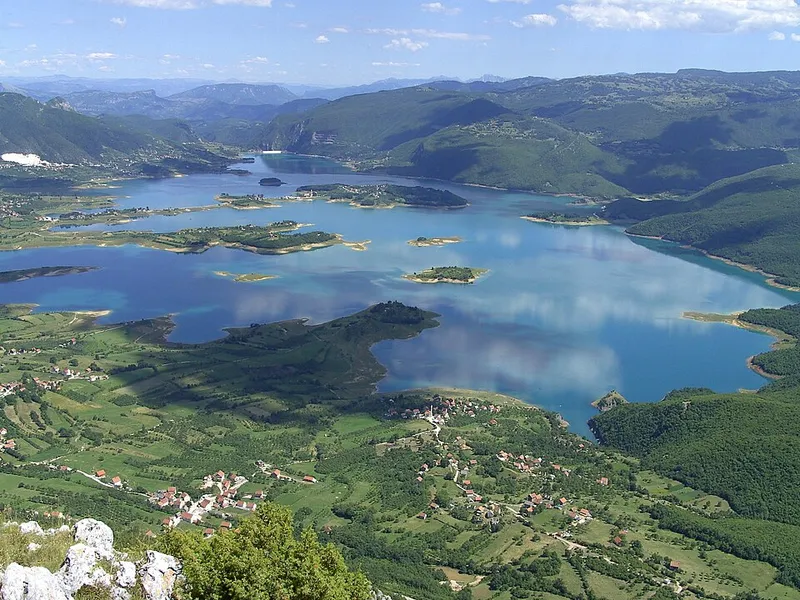
After the Second World War a hydroelectric power plant was built at Jablanica: work began in 1947 and it went into operation in 1955. The reservoir, Jablanica Lake, is 25 kilometres long and stretches from the mouth of the Rama towards Konjic; fields, orchards and parts of earlier settlements were flooded to create it. Today it generates electricity and in summer draws people for fishing, swimming and water sports. An annual rowing marathon starts in Ostrožac and finishes at the public beach in Donje Paprasko.
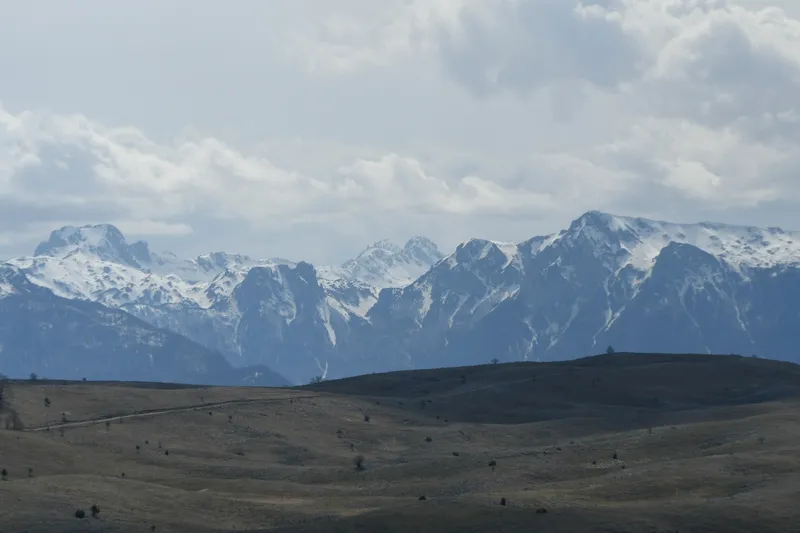
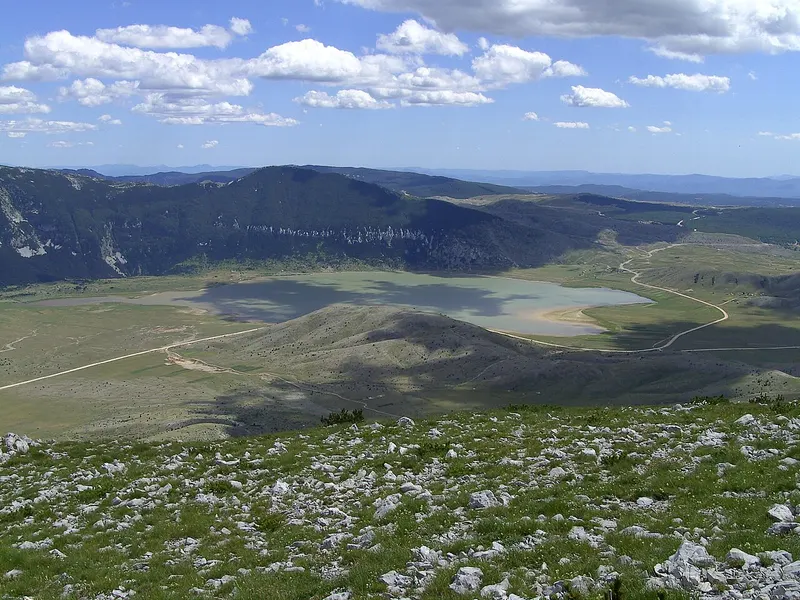
The mountains around the town, Plasa, Čvrsnica and Prenj, offer hiking trails. One well-known destination is Hajdučka vrata on Čvrsnica, a rock formation shaped by wind erosion at 2000 metres above sea level. On the Risovac plateau there are two necropolises with medieval tombstones known as stećci, as well as a ski area.