The lake
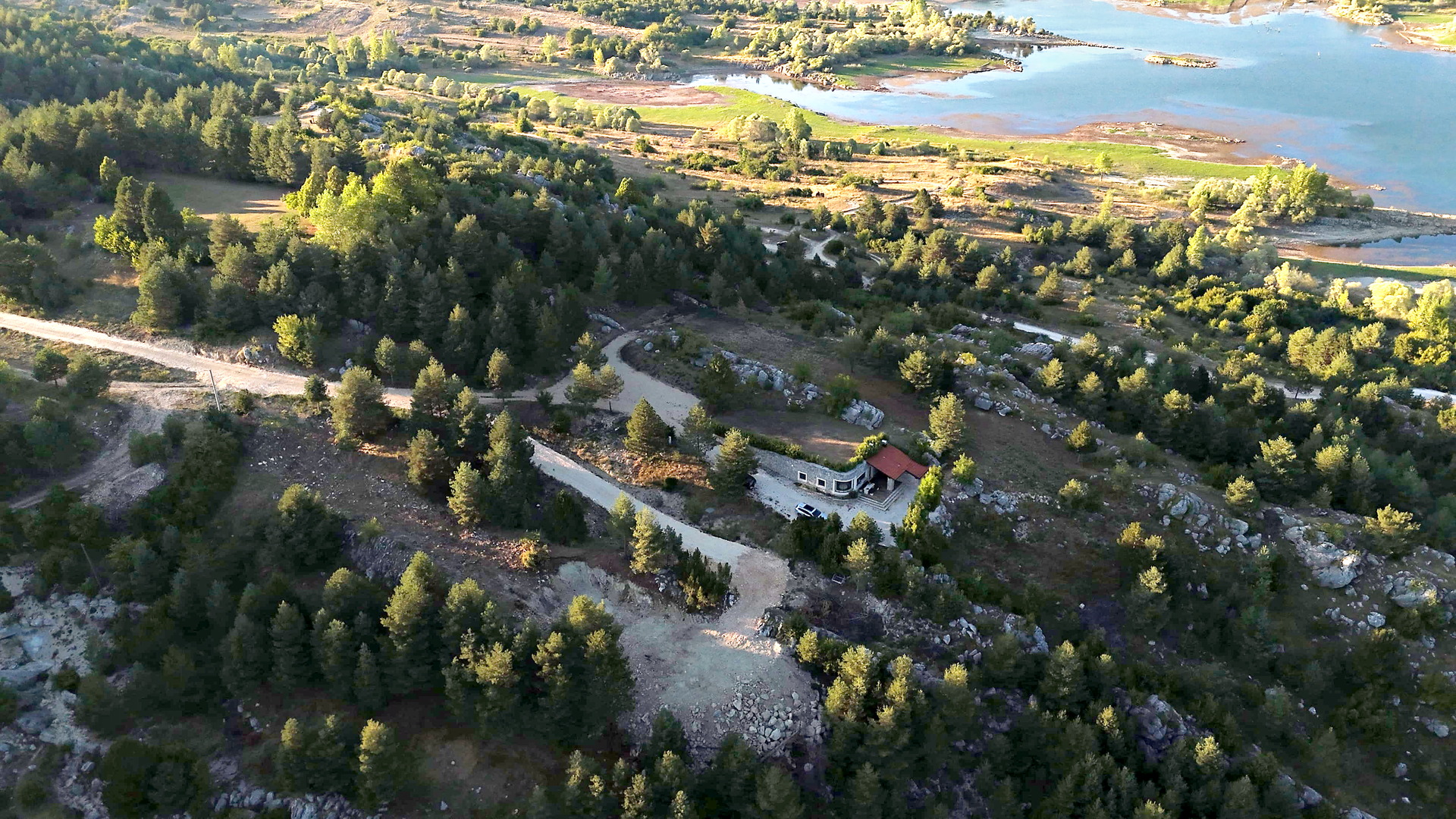
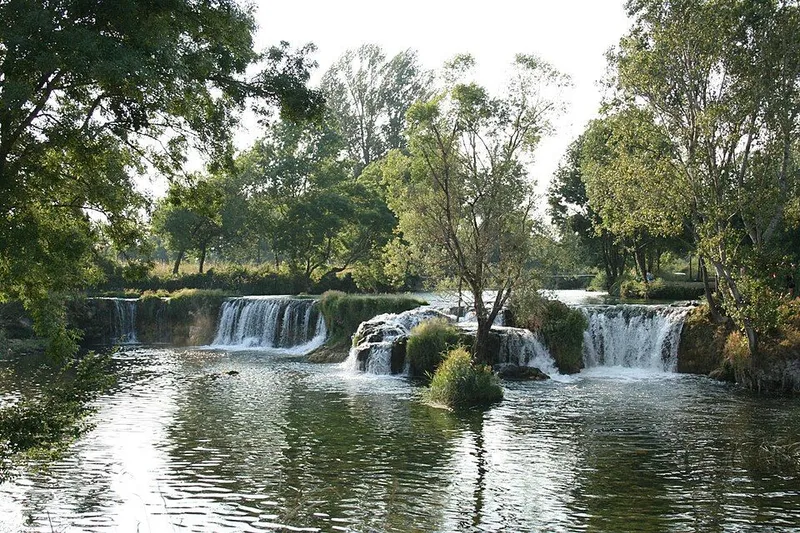
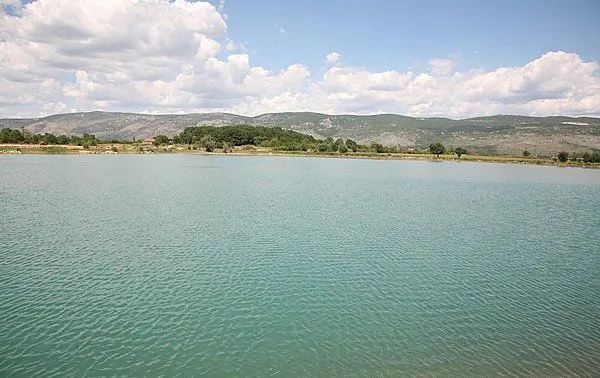
Krenica is roughly round to oval in shape; depending on the source it is given as 310 by 270 metres or as 300 metres in diameter. The lake is fed by underground springs and never dries up. Fields and meadows border the shore to the east, an oak wood to the west. Nearby the Matica, a small river, sinks into the karst.
There are only estimates of its depth. One figure puts it at about 47 metres, but several attempts to measure it have produced no reliable value. Divers who tried to reach the bottom failed; their estimates ranged from 40 up to 200 metres. Stories have grown up around the lake accordingly: older people tell of carts and horses that vanished into Krenica and were never found again. The Croatian director Antonio Nuić, whose family comes from Drinovci, took up the motif of the deep, mysterious lake in his feature film “Kenjac”, which is set in Drinovci.
The legend of the rich man Gavan
According to tradition, the rich man Gavan once lived in the area of today’s Bekija, and his estate stood in Drinovačko polje. One day St Peter, disguised as a beggar, came to Gavan’s wife and asked for a little bread. She turned him away: what did she need his God for, as long as her Gavan was alive. The saint then raised his staff, the earth shook, and where the estate had stood a lake appeared.
The woman fled from the rising water with her two children. When it caught up with her, she threw away her son; Krenica is said to have formed on that spot, and the path of her flight became the Matica. Lakes also formed everywhere else Gavan had lived, among them the Red Lake and the Blue Lake near Imotski. In another version, Gavan’s house stood exactly where Krenica is today.
Drinovci and Imotsko-bekijsko polje
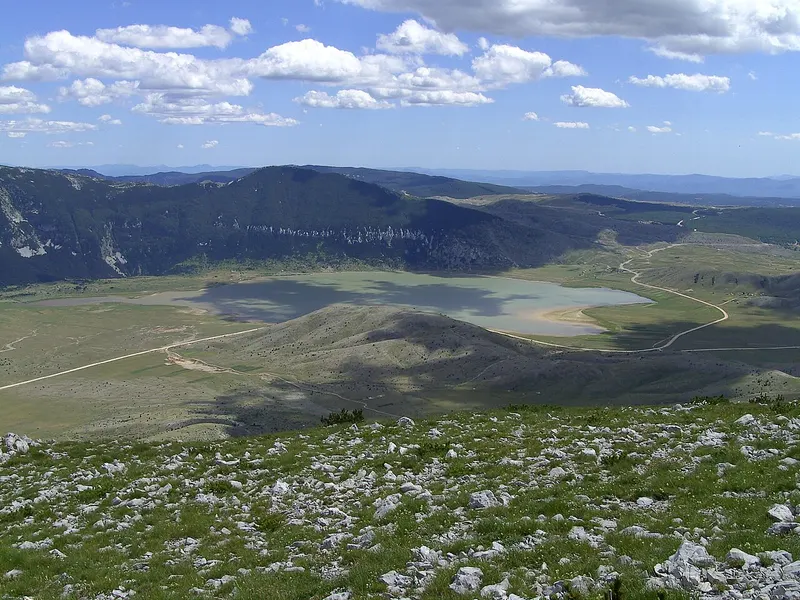
Drinovci lies on the south-eastern side of Imotsko polje and had 2569 inhabitants at the 2013 census. Until 1955 it was the seat of its own municipality, which is now part of Grude. The karst field covers 95 square kilometres, 50 of them in Bosnia and Herzegovina; since the Peace of Požarevac in 1718 and the demarcation of 1721 it has also been known as Imotsko-bekijsko polje. Where limestone rock collapsed, hollows formed that are now filled with water.
The area is also rich in archaeology: excavations between 1977 and 1980 in the cave of Ravlića pećina found traces of Neolithic life, and numerous stone mounds can be seen in Drinovci that point to Illyrian clans in the area. Today it is anglers who look after Lake Krenica; in the past it drew many bathers.