Setting and layout
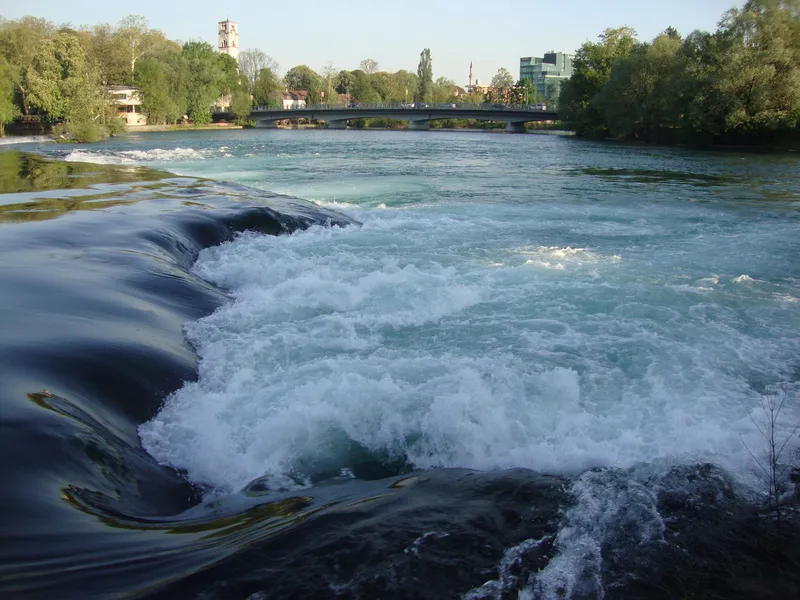
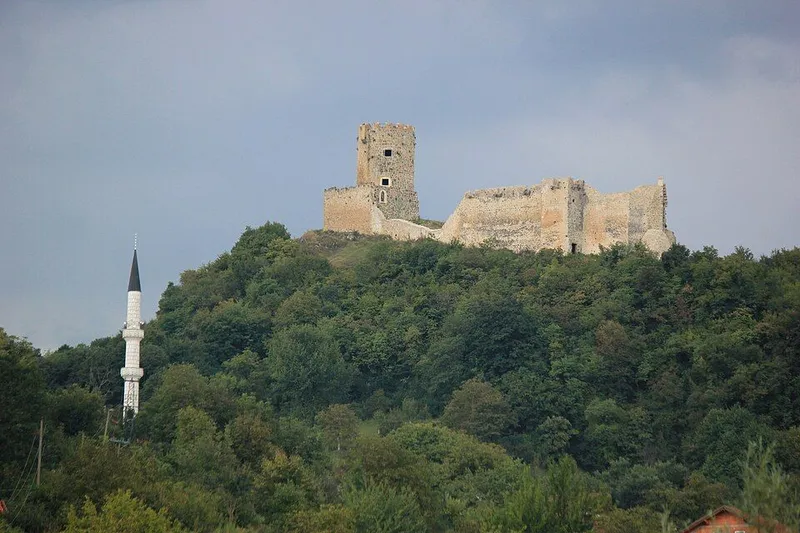
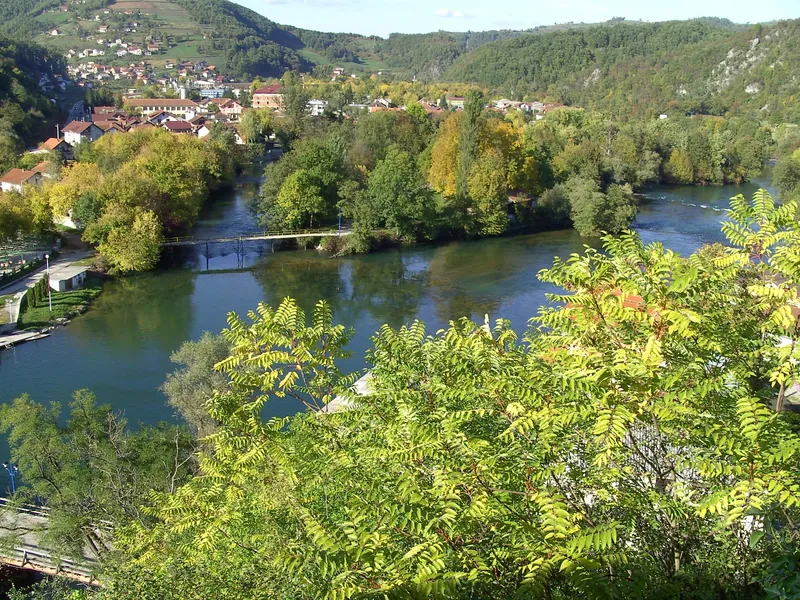
Ostrožac lies 12 kilometres from Bihać on the road to Bosanska Krupa, high above the Una and its canyon. From the valley road the way winds up in hairpin bends towards Cazin. A hillfort stood here as far back as the early Iron Age, and the Iapydes built their strongholds on the heights of the area.
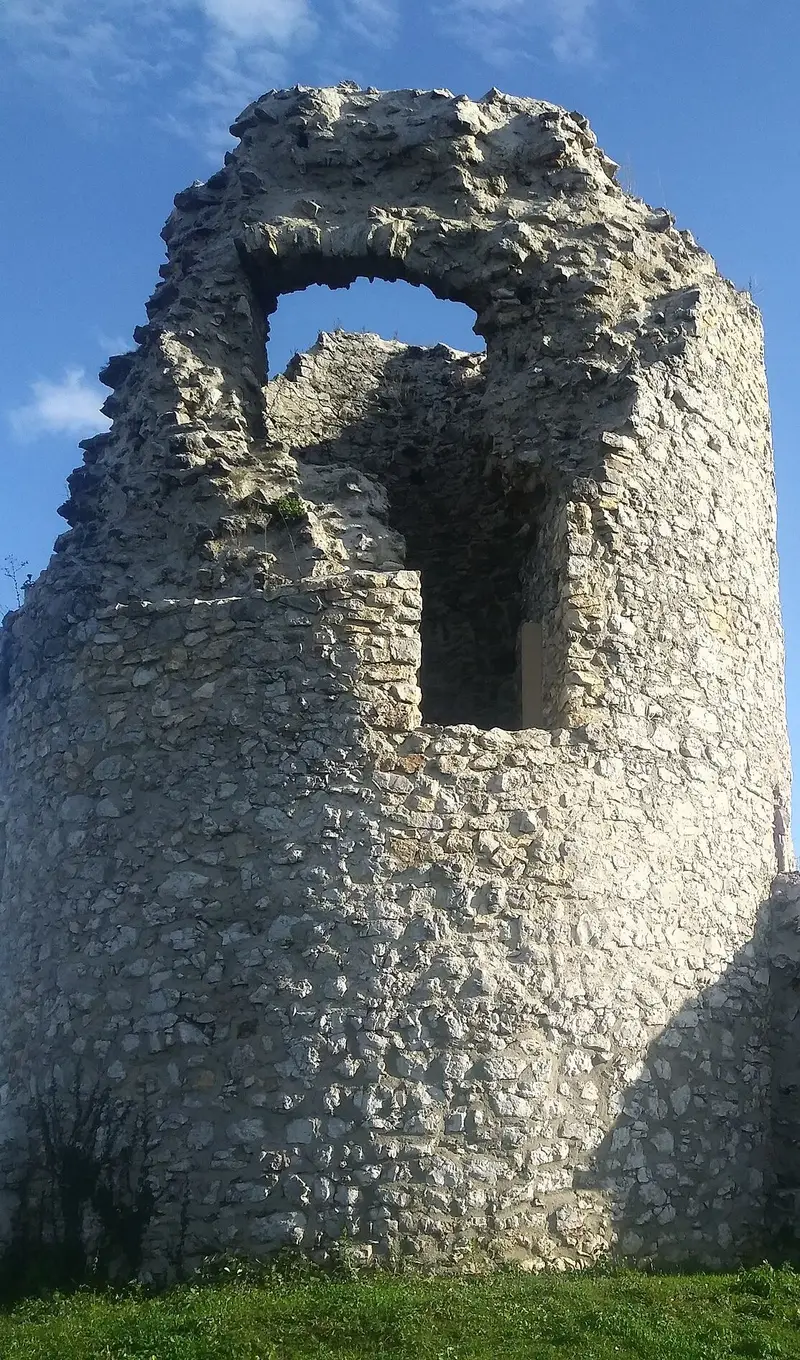
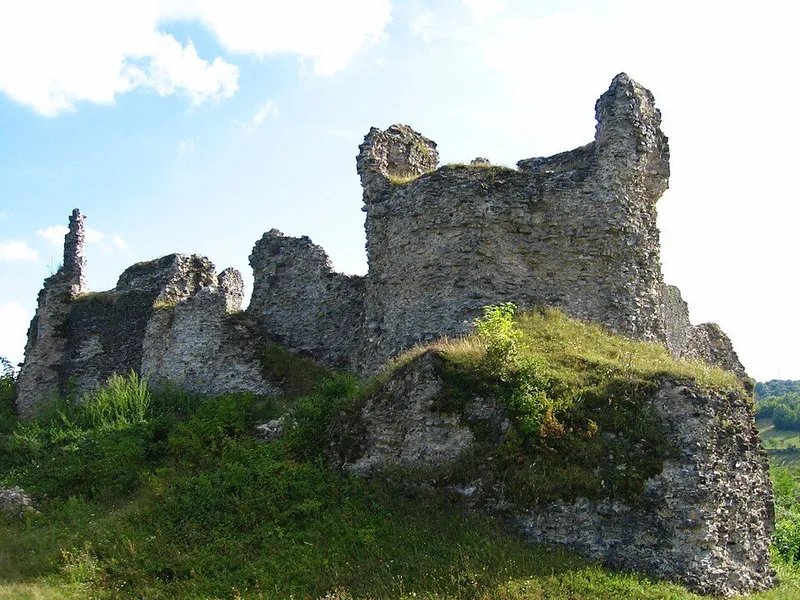
The fortress has an irregular, roughly circular plan with a gate tower and a round defence tower beside a well. The northern, medieval part came to be called the narodni grad, the people's town. The southern part, the gospodski grad or lords' town, was added by the Ottomans around 1700.
History
The fortress is first mentioned in 1286, when it belonged to the Babonić princes of Blagaj, who also called themselves princes of Ostrožac. In 1552 it passed to Antun Bakšić. In 1577 it fell to the Ottomans. From the 17th century Ostrožac was the seat of a captaincy whose wardens and captains came from the Beširević family. In 1833 there were 28 cannon here.
In 1836 Ostrožac became the seat of a mudirluk within the kaymakamlık of Bihać. In 1837 Murad-beg Beširević, the last captain of Ostrožac, was exiled for opposing the reforms of Sultan Mahmud II.
The Berks family manor
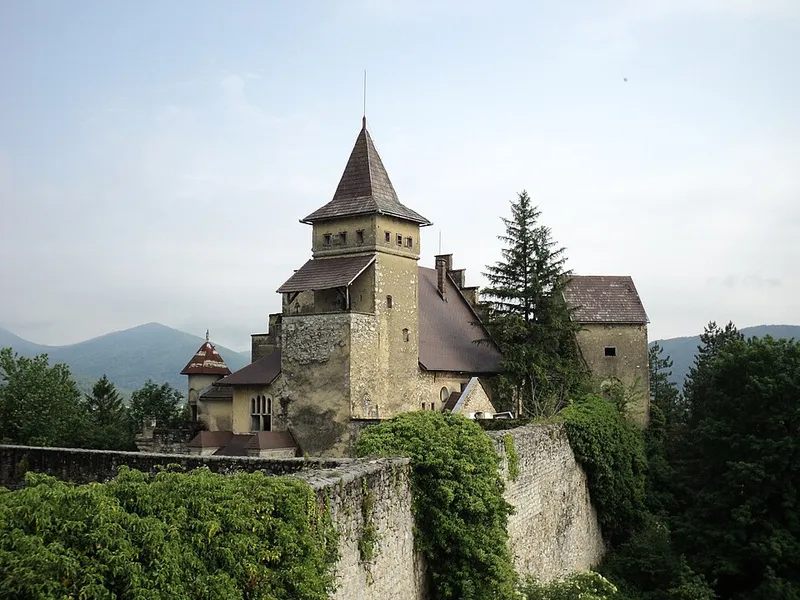
His grandson Mehmed-beg Beširević sold the ruined castle to Isabella von Berks, née Adamović-Čepinski, wife of Lothar von Berks, then head of the Bihać district. Around 1900 von Berks had the castle rebuilt. His manor was added within the walls, giving Ostrožac its present picture-book look. During the Second World War Ostrožac was for a time the seat of the Partisans' Supreme Staff.
Sculptures and visiting
From 1967 to 1992 the Ostrožac sculpture colony worked in the castle courtyard, and the tradition was continued after the war. Numerous sculptures of bihacite stone remained in the courtyard as a permanent exhibition, forming an open-air sculpture park. Since November 2013 the Old Town of Ostrožac has been a national monument as an architectural ensemble, with the sculptures counted as an integral part.
Today the Cazin Culture Centre manages the site and carries out necessary repairs. Concerts, performances and other events are held in the grounds. Visitors can walk the ramparts and climb towers. The manor house, however, is in poor repair, so take care.