A town in the Una valley
Bihać is the seat of Una-Sana Canton in the Federation of Bosnia and Herzegovina and belongs to the Bosanska Krajina region. The 2013 census counted 56,261 inhabitants.
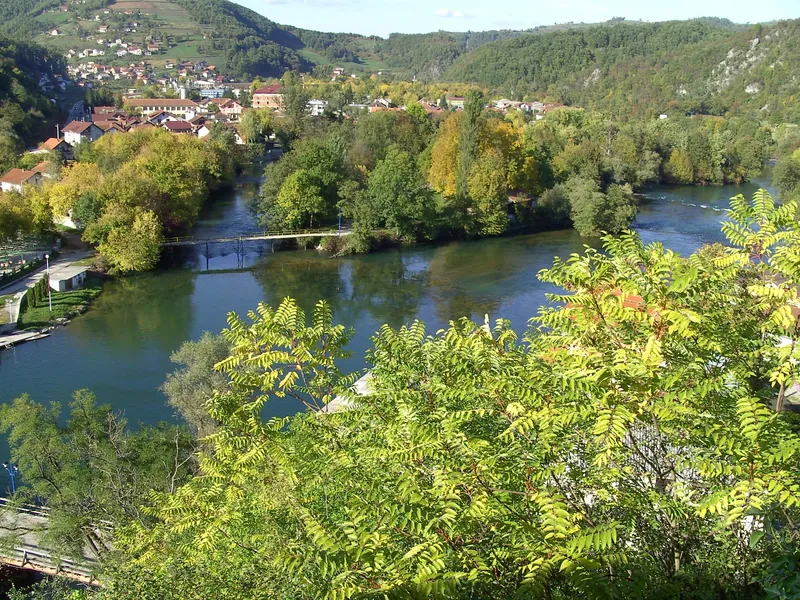
Here the Una valley widens into a broad basin known as Bihaćka kotlina or Bihaćko polje, while above and below the town the river runs through narrow gorges. To the south-east the Grmeč range rises to over 1100 metres. To the west the border with Croatia runs along the ridge of Plješevica.
History
Bihać first appears in writing on 26 February 1260, in a charter of the Hungarian king Béla IV that describes a settlement on the Island of St Ladislaus in the Una. In 1262 Béla made it a royal free town that answered directly to the crown and was therefore independent of the local nobility. Between the 13th and 16th centuries the Croatian Sabor met here several times.
In 1592 the Ottomans took Bihać after a ten-day siege, and until the 19th century it remained an important fortress in Bosnia. After the Congress of Berlin, Austro-Hungarian troops took the town in September 1878 against fierce resistance. From 1888 the fortifications were dismantled apart from a few remains.
In 1941 the Ustaše murdered around 15,000 Serbs, as well as Jews and Roma, at Garavice near Bihać; since 1981 a memorial park designed by Bogdan Bogdanović has commemorated the victims. On 26 and 27 November 1942 the Anti-Fascist Council for the National Liberation of Yugoslavia (AVNOJ) held its first session in Bihać. During the Bosnian War the town was under siege from 1992 to 1995.
A walk through the old town
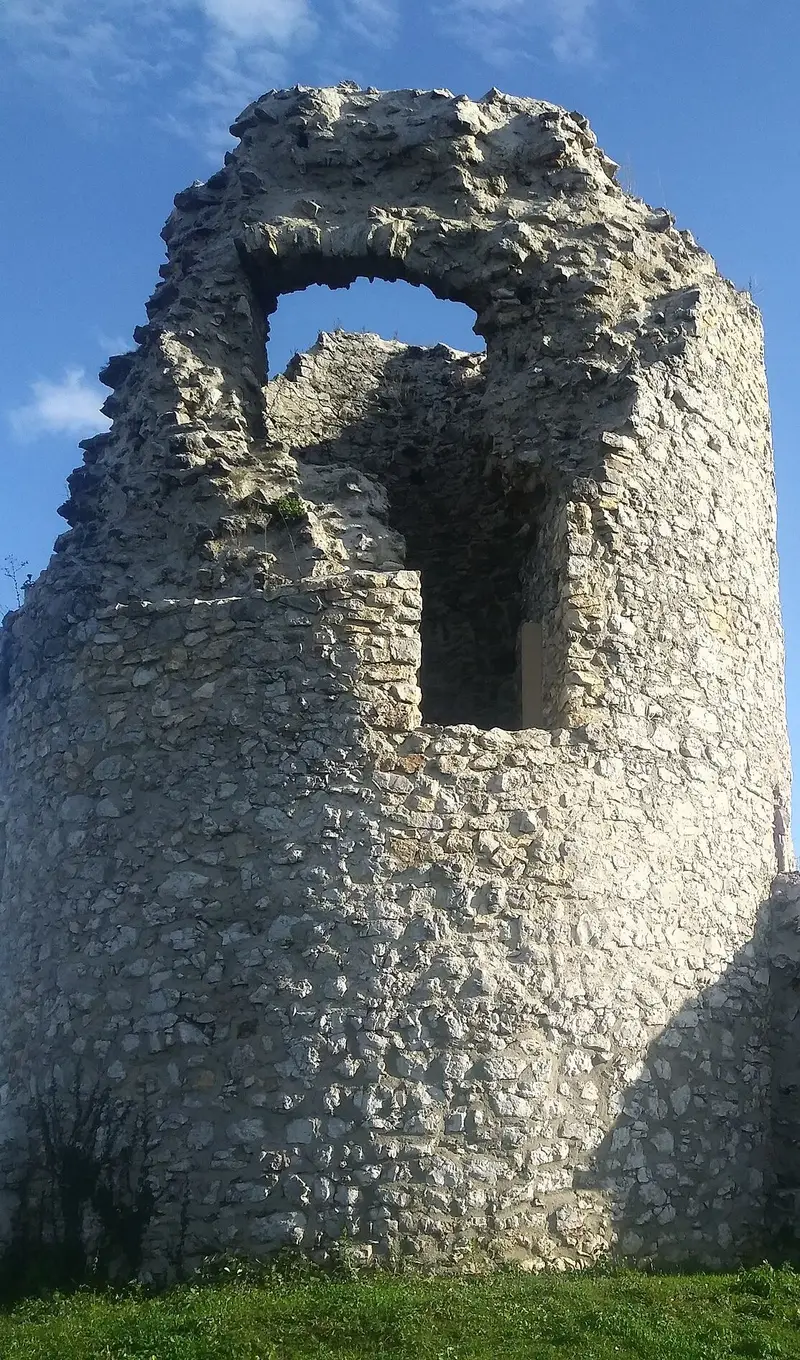
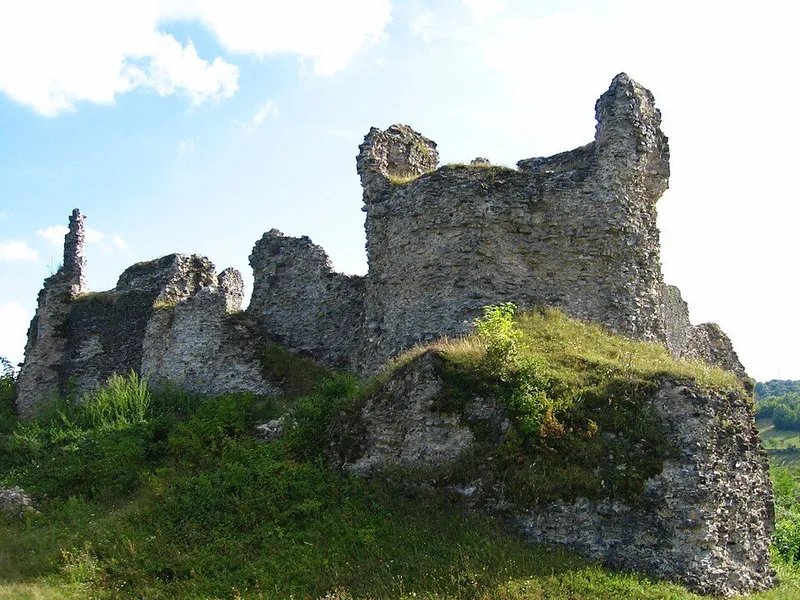
The old town stands on a rise on the left bank of the Una, above the valley floor. The town fortress once had double walls and four towers, and sections of the old town wall survive in the southern part of the old town.
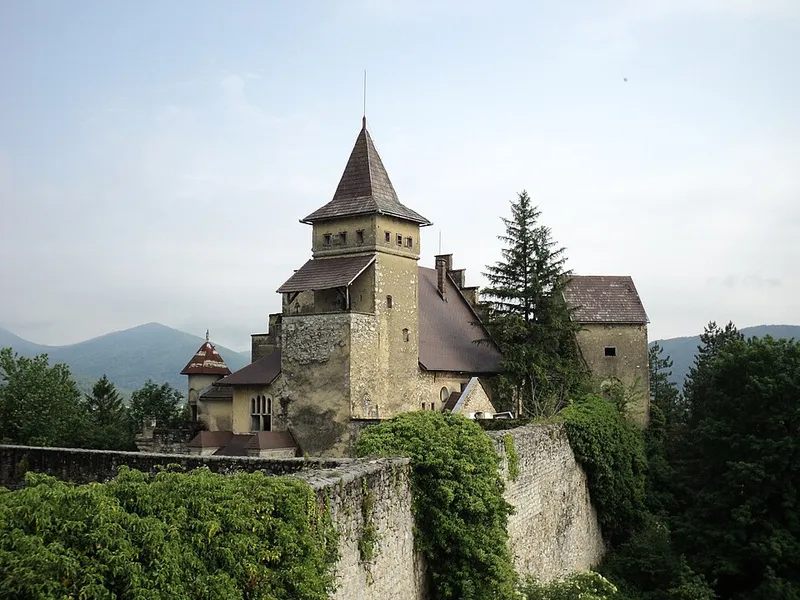
At the southern exit of the old town stands Kapetanova kula, the Captain's Tower. It was built before 1697, is shaped like a truncated pyramid and has four storeys above ground. Under Austro-Hungarian rule the tower became a prison and served as the district prison until 1959; today it houses a museum of the town's history.
Right next to it rises the tower of the Church of St Anthony of Padua, a new church built during the Austro-Hungarian period. Since the Second World War only the tower and parts of the foundations have survived, and the tower shapes the town's skyline. The turbe is an octagonal domed mausoleum built in honour of the defenders who fell fighting the Austro-Hungarian troops in 1878. Its facade is made of bihacite, a soft, light local limestone.
North of the old town stands the Fethija Mosque. It was originally a Gothic church dedicated to St Anthony of Padua and became a mosque after the Ottoman conquest of 1592. The Gothic bell tower served as the minaret until 1863, when it had become so dilapidated that it was taken down and replaced by a new minaret. Today the building is protected as a national monument of the country.
The Una and the national park
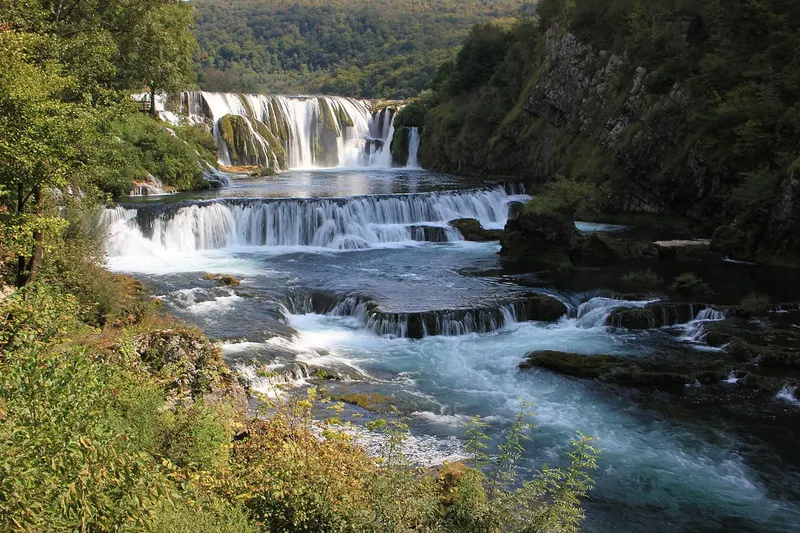
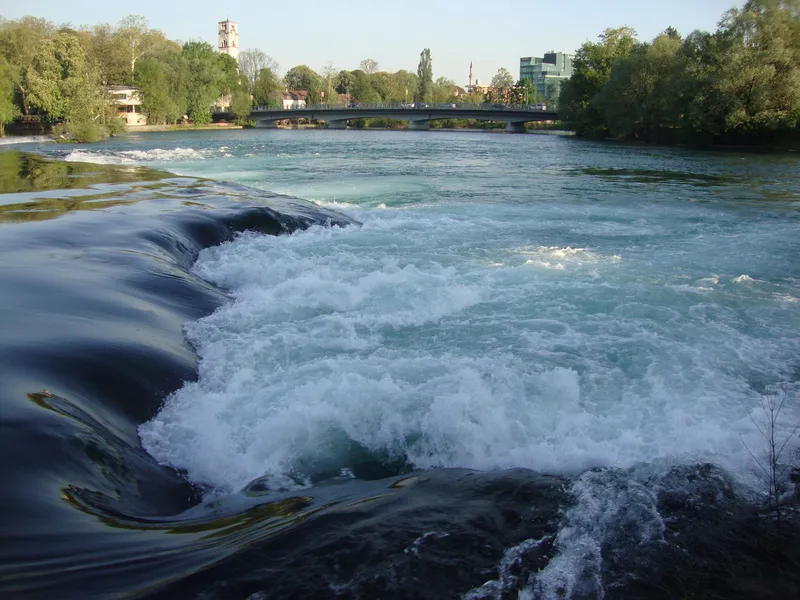
Una National Park lies in the far west of the country, within the city of Bihać. Established on 29 May 2008, it protects the Una and its tributaries the Krka and the Unac, taking in the valleys of the Una and Unac and the slopes of Plješevica, Grmeč and Osječenica. Conditions for rafting, fishing, cycling and hiking are good. In Bihać, jumping from the town bridges into the Una is a popular pastime.
In July the International Una Regatta is held on the Una upstream of Bihać. It starts in Martin Brod, runs through the national park to Bihać and ends in Bosanska Krupa, with diving and blobbing competitions, traditional games and music along the way. Since 1998 the Bihaćko ljeto theatre festival has taken place in June.