Above the Una
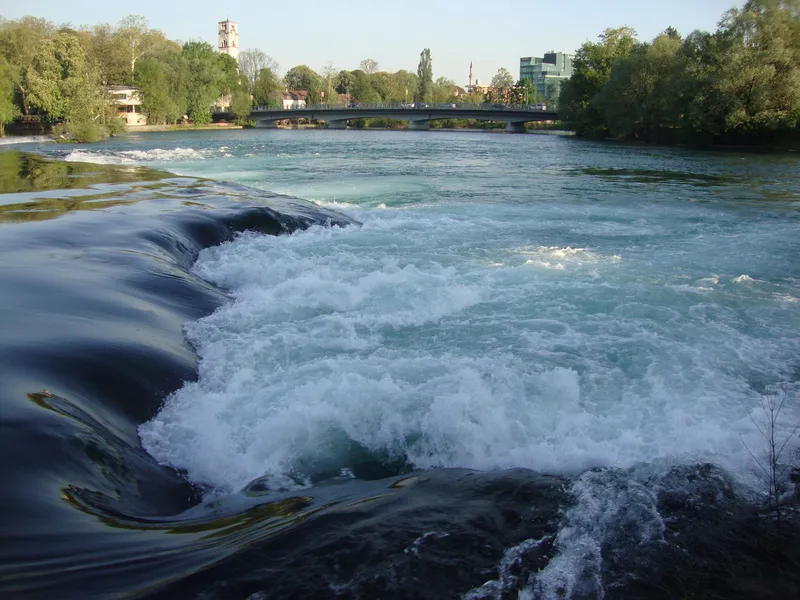
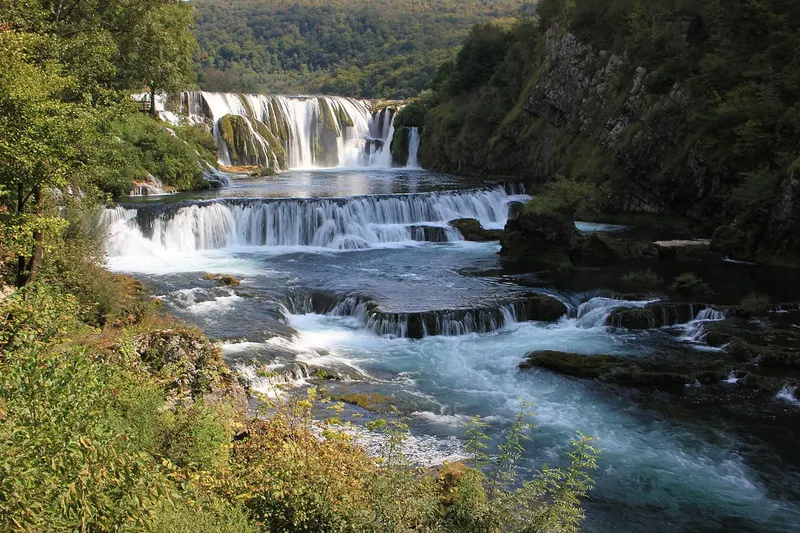
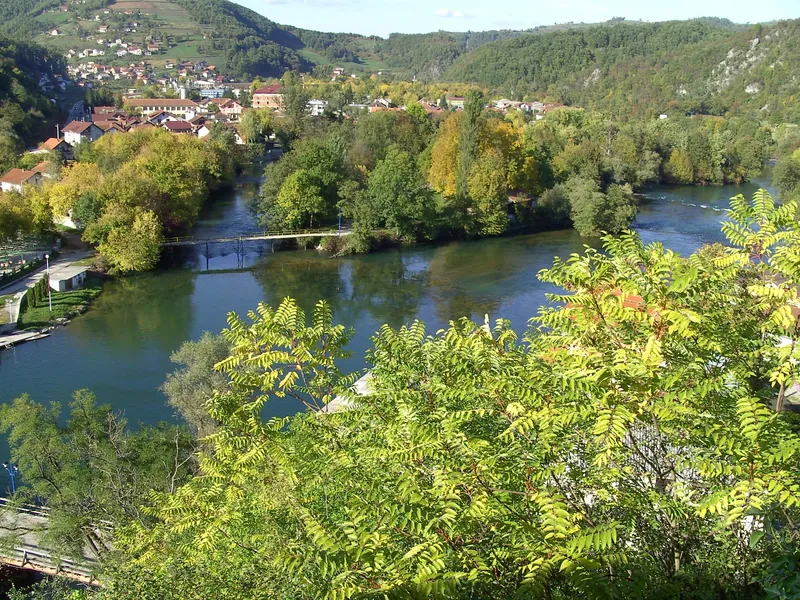
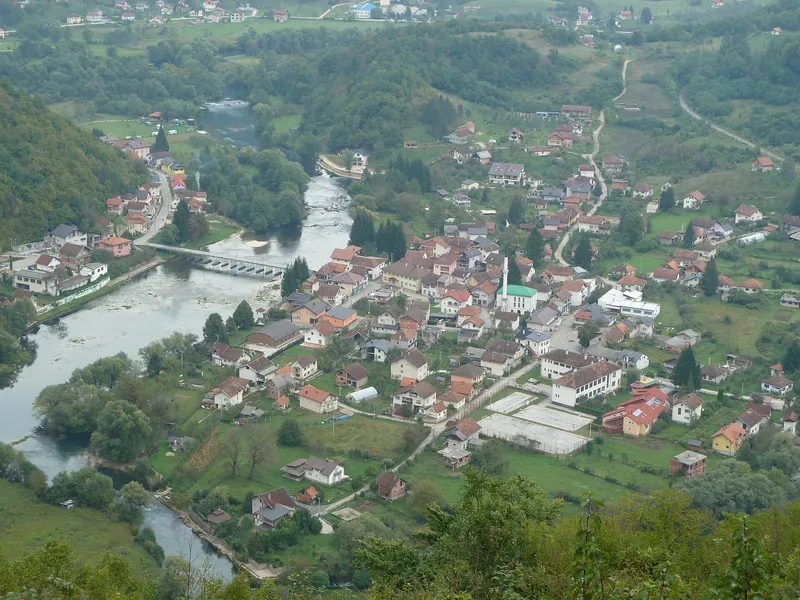
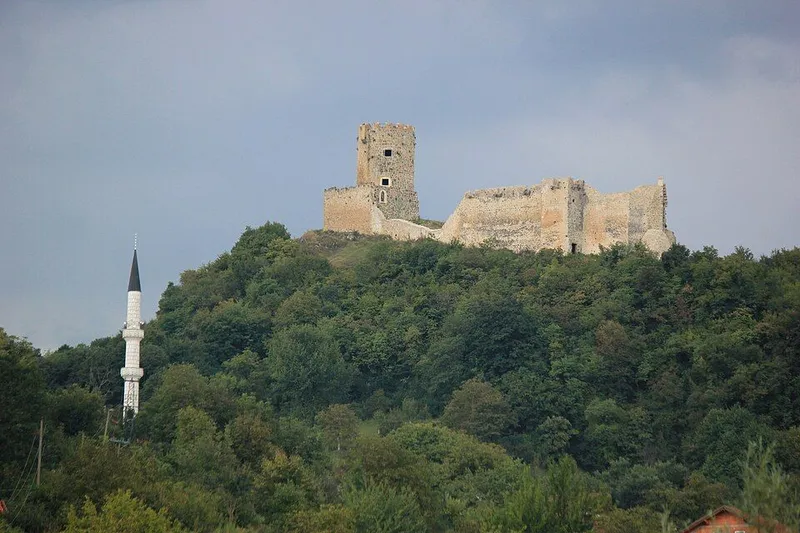
The castle sits on a hill on the eastern side of Debeljača on the left bank of the Una. Below it lie Golubićko polje, the river and the main road. From the rise above the village of Sokolac you look out over Bihać, and anyone heading from the town to Štrbački buk in Una National Park sees the remains of the fortress along the way.
Royal castle and Ottoman fortress
In medieval charters the castle appears as Sokol, Zokol and Sokolatz. Its first mention is linked to the year 1380, and the oldest charter naming Sokolac as a royal town dates from 1395. For a long time the castle was caught up in the struggle for the throne and crown between Sigismund of Luxembourg and Ladislaus of Naples. Afterwards the kings often granted it to nobles and bought it back from them. Because Sokolac mattered for the defence of Bihać, the Bihać captain Petar Keglević received the castle on the orders of King Ferdinand.
In 1592 the Ottoman army took the fortress, together with Bihać. Until 1711 it belonged to the Sanjak of Bihać and afterwards to the Bihać captaincy, administered by a ćehaja. Throughout Ottoman rule, nearby Ripač on an island in the Una was the more important stronghold. In 1833 Sokolac had only 2 small cannons, and an undated list records just 12 soldiers. The castle was abandoned after 1878.
The prehistoric hillfort
In the Bronze Age a hillfort measuring 670 by 170 metres already stood on the site of the present fortress. Pottery found during excavations points to the 10th to 9th centuries BC, the same period as the pile dwellings on the Una at nearby Ripač. At that time the Una area was inhabited by the Iapydes, an Illyrian tribe.
Walls, gate tower and main tower
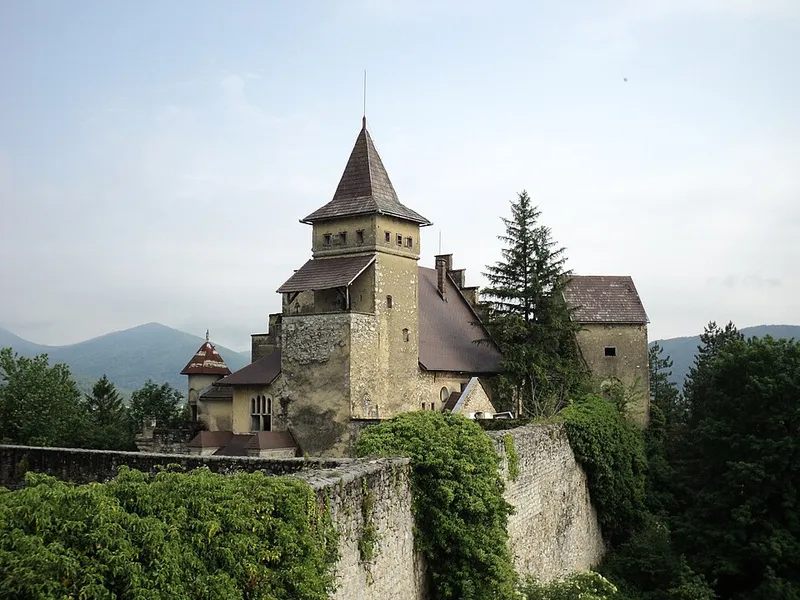
The surviving fortress is triangular in plan. Along the top of the walls you can see the remains of closely spaced parapets, each with a small loophole in the middle; below them are corbels and holes for a wooden wall-walk. Traces of houses built against the walls show in the spacious interior. At the entrance stands the three-storey gate tower, the Kapi kula, with machicolations at the top. The bailey is up to 175 metres long and 120 metres wide.
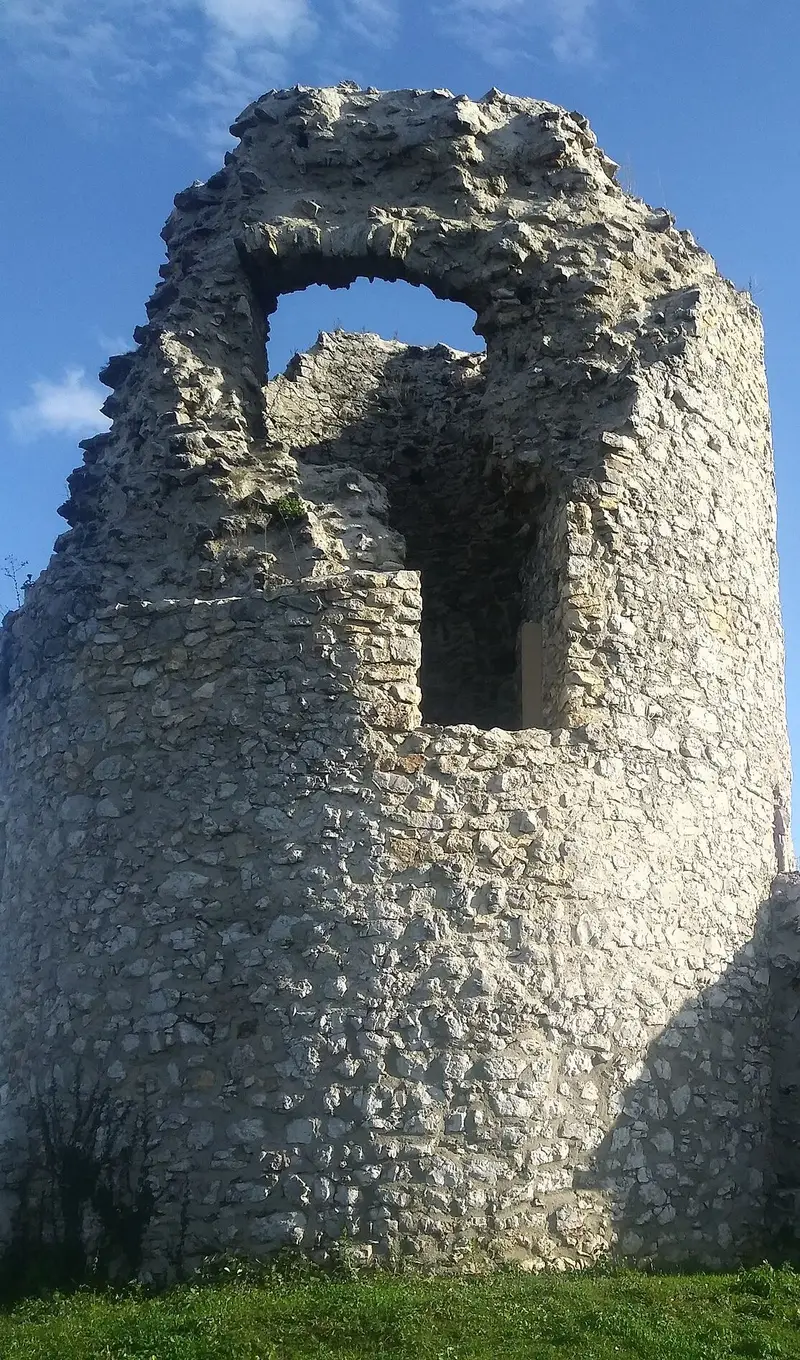
At the highest point of the bailey stands the main tower, surrounded by a small, irregularly four-sided inner courtyard where excavations uncovered a cistern. The tower is 10 metres in diameter and 16 metres high. Its entrance is on the second floor and was reached from the inner courtyard by a wooden staircase. The rooms inside have pointed vaults, a fireplace and square windows with stone benches in front of them. At the very top are loopholes behind a protective parapet; the original pointed wooden roof is gone.
Protection and restoration
The Commission to Preserve National Monuments has declared the historic site of the prehistoric hillfort and the medieval and Ottoman fort of Sokolac a national monument. The fortress was restored under the EU-funded HERA project, in which the government of Una-Sana Canton and the City of Bihać also took part. Local materials were used: tufa, local limestone and hard sandstone, bound with a mortar whose composition had been determined beforehand by analysis.