A river town
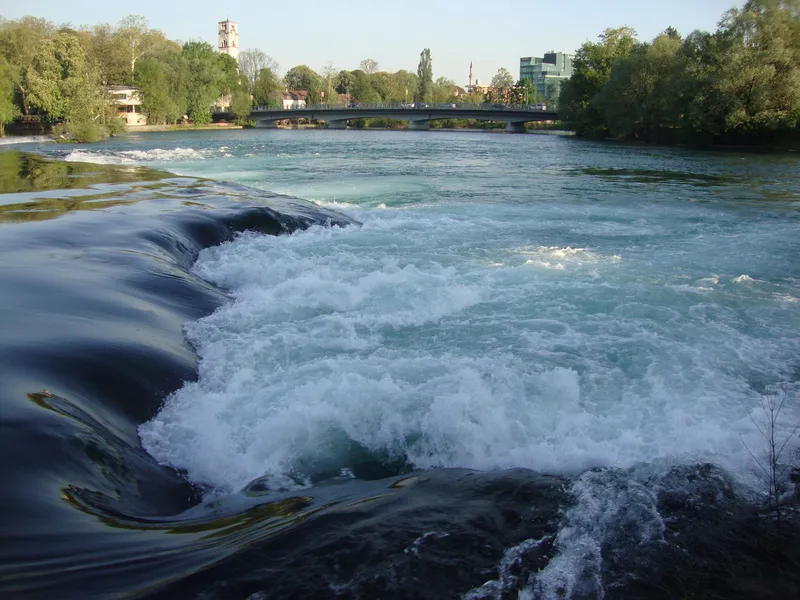
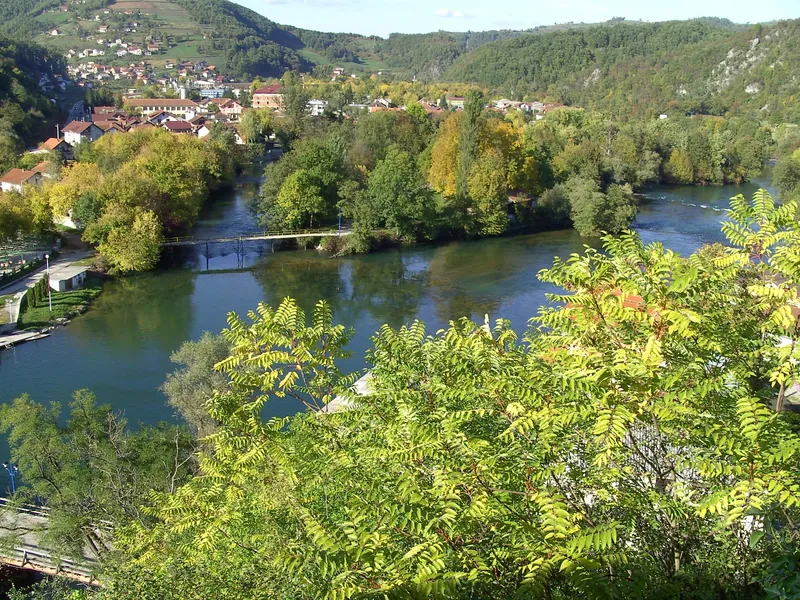
Most of the town lies at 176 metres on a low saddle between Hum hill and the fortress, on a wider stretch of the Una. In the very centre are the Green Islands, river islands linked by bridges and riverside paths. Watermills and fishermen's houses on stilts are typical of the area. Legend has it that a girl called Krupana built the fortress.
A royal castle on the frontier
The castle is mentioned under the name Krupa towards the end of the 13th century, in the time of the Babonić-Blagajski princes. According to a charter of 25 August 1395, King Sigismund took over Krupa and Ostrožac from this family; in 1406 the castle returned to the Hungarian king under unknown circumstances. From 1429 to 1456 it was held by the Counts of Celje, then by the Frankopans, who gave it back to King Matthias Corvinus in 1464 in return for compensation. Krupa belonged to a chain of border fortresses that ran from Temesvár via the Sava, Krupa, Otočac and Bihać to Senj. Ivaniš Korvin often stayed in Bihać and Krupa between 1495 and 1498 and gave the castle to his daughter Elizabeta. From 1520 Ban Ivan Karlović administered it, and after his death in 1531 it passed to the Zrinski.
From 1509 the Ottomans attacked Krupa repeatedly; in 1522 and 1523 they besieged it and bombarded it for four months. On 4 June 1565 the Bosnian pasha Mustafa Sokolović arrived with strong forces. An army under Count Auersperg with 7,000 soldiers arrived on 21 June but avoided open battle and withdrew towards Ostrožac. On 23 June the small band of defenders under Matija Bakić tried to break out and was overwhelmed.
An Ottoman fortress
The Ottomans gradually turned Krupa into a strong artillery fortress with two gun positions. Until the second half of the 18th century its dizdars and captains came from the Badanjković (Badnjević) family. In 1577 there were 300 horsemen and 400 foot soldiers at Krupa. The Austrians besieged it in 1581 and 1692; in the last major attack, in 1716, it did not fall, though the surrounding area was burned. One inscription on the fortress recalled the conquest of 1565 under Suleiman the Magnificent, another the renewal of 1783, after which the fortress was said to have been restored “like a rose”. In 1833 there were 14 cannon in the castle.
Visiting the fortress
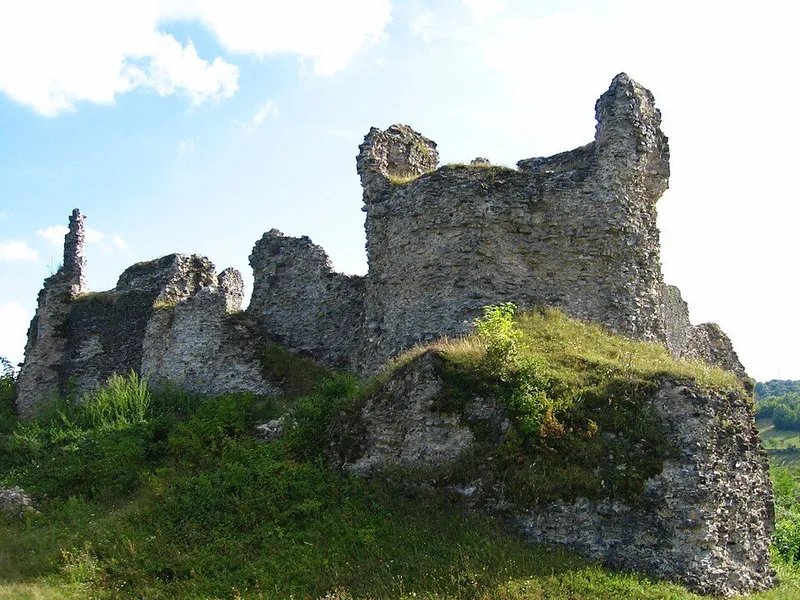
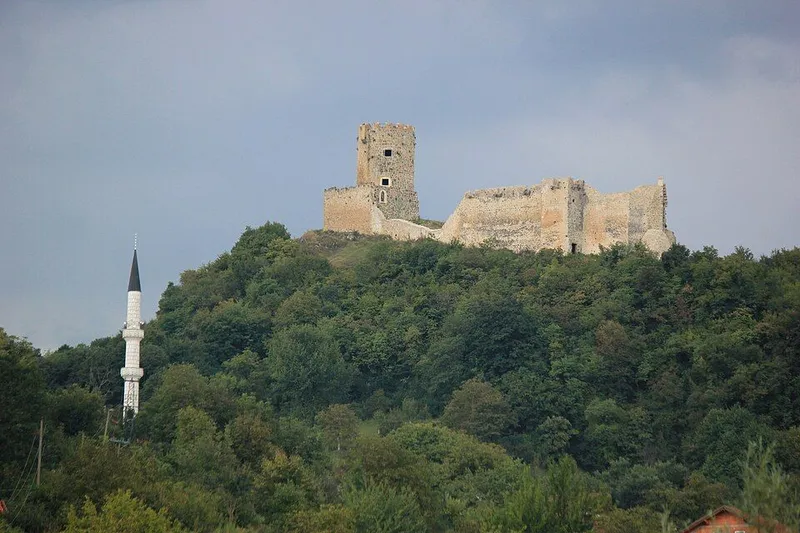
The fortress crowns a rocky hill between the čaršija to the east and the Una to the west. The climb starts right next to the Catholic church, which leans against the castle rock: a gently rising zigzag path leads to the lower castle, the former bailey.
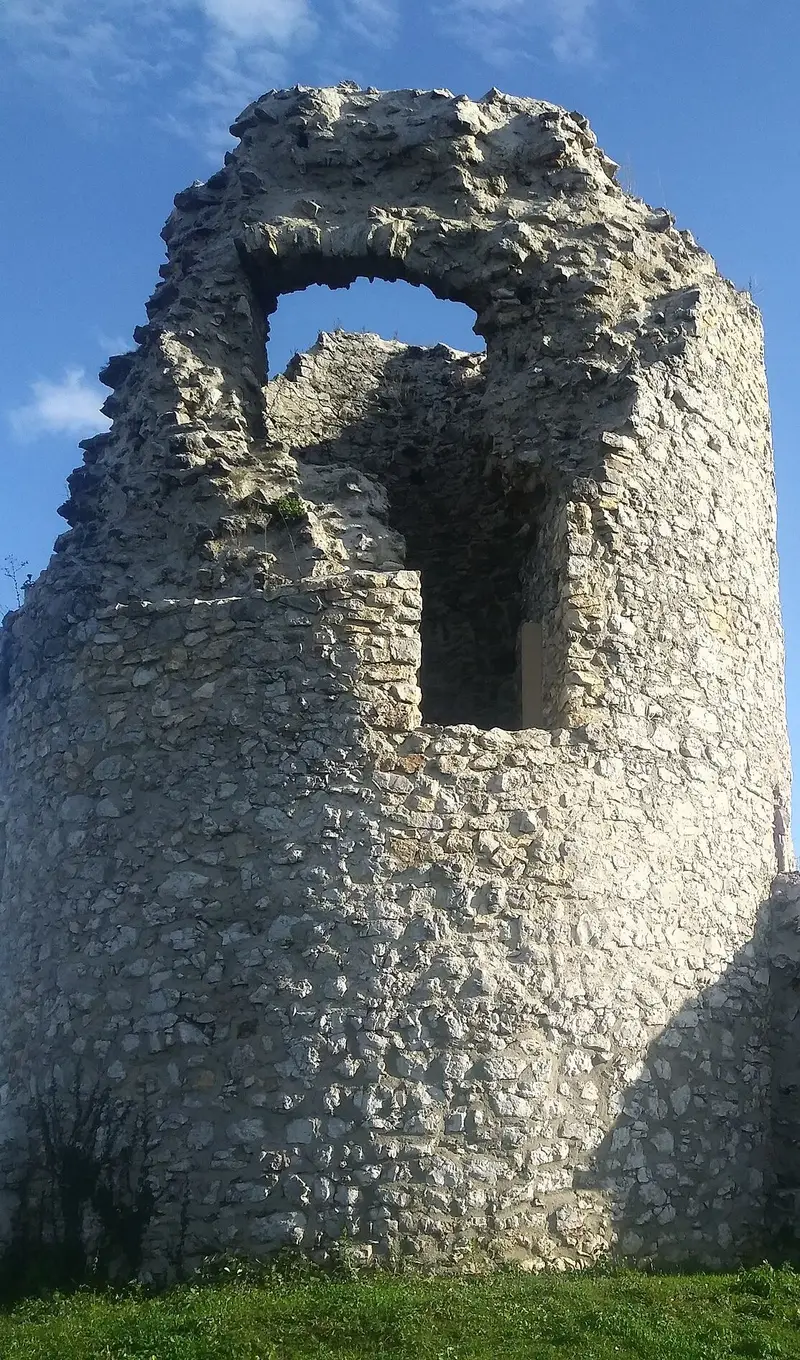
Krupa was originally a Gothic castle with a strong keep, a courtyard guarded by two towers and a bailey; this is how Kuripešić saw it on his journey in 1530. The upper castle measures about 35 by 20 metres on the outside. The oval Tower B survives to a height of about 15 metres, while Tower C at the top was later turned into a low-walled bastion about 8 metres across. The floor of the medieval castle lies some 2.5 metres below today's level, because the courtyard was later filled in, partly with material from the destroyed keep. In 1895 the site was remodelled and levelled to create a park.
In September 2007 the Commission to Preserve National Monuments declared the fortress a national monument. Under the decision the site is open to the public and may be used for education and culture.