Location and parish
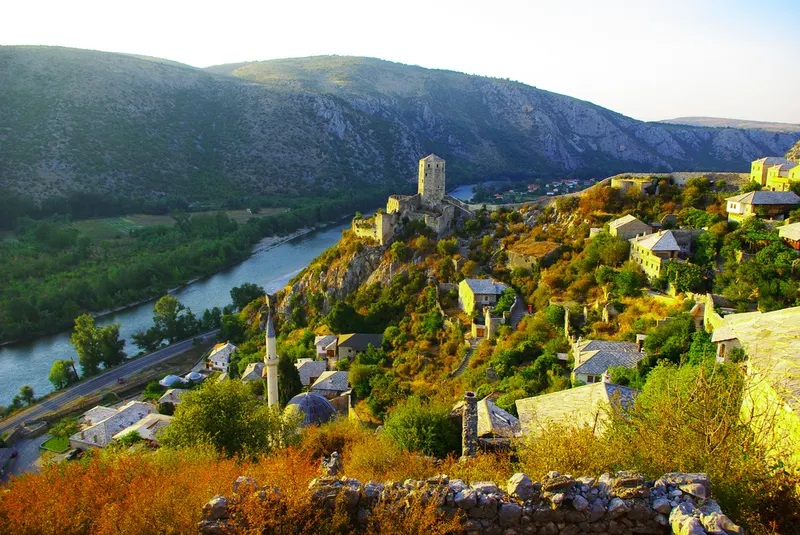
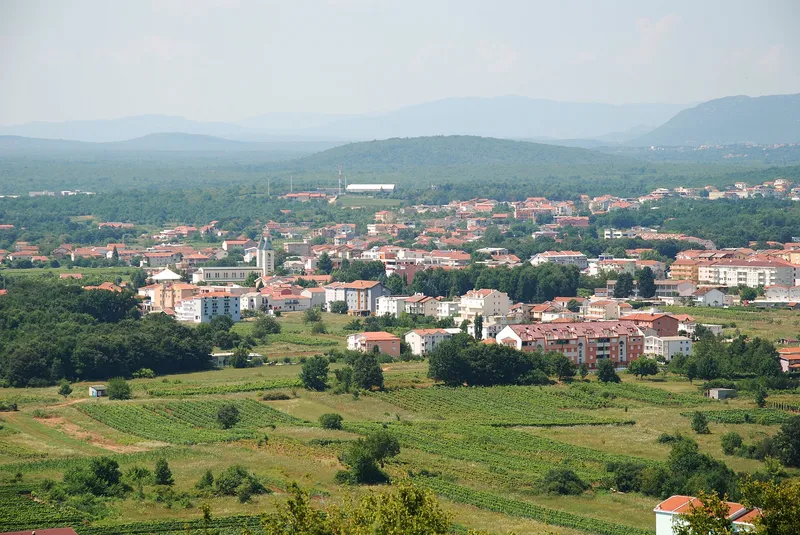
Medjugorje belongs to the municipality of Čitluk in the Herzegovina-Neretva Canton and lies about 30 kilometres south-west of Mostar, 16 kilometres from the Croatian border. The village sits in a side valley of the Neretva on the edge of the Dinaric Alps, at about 200 metres above sea level, and has a mild Mediterranean climate. Its name means 'between the mountains'.
Besides Medjugorje, the Catholic parish includes the neighbouring villages of Bijakovići, Vionica, Miletina and Šurmanci. It was founded in 1892, is dedicated to Saint James and is run by Franciscans of the Herzegovinian province.
From village to pilgrimage site
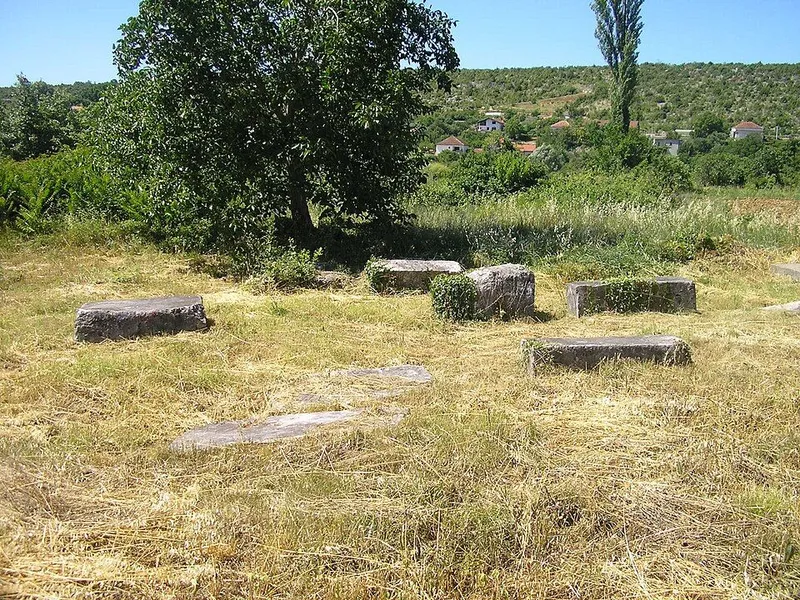
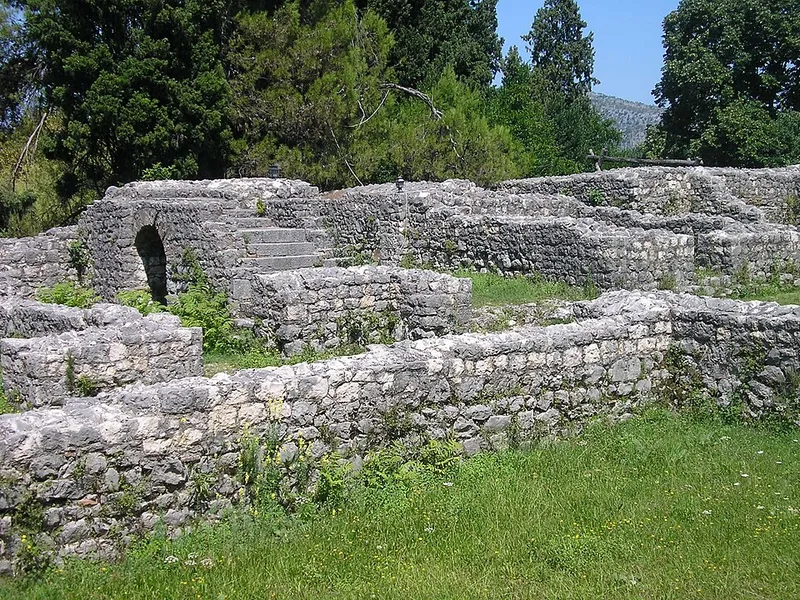
The area's history goes back a long way: in the Catholic cemetery at Miletina, remains of Roman buildings with many Roman bricks have been found, though they have hardly been studied. Medieval gravestones stand in the cemeteries of Miletina and Vionica.
Reports of apparitions of the Virgin Mary began on 24 June 1981. Since then Medjugorje has drawn Catholic pilgrims. For a long time the Church's assessment was marked by differing opinions among bishops, theologians and commissions. In 2019 the Vatican officially permitted pilgrimages without confirming the events as supernatural. On 19 September 2024 the Dicastery for the Doctrine of the Faith published the note 'The Queen of Peace'. It grants a nihil obstat: the faithful may adhere to the spiritual experience of Medjugorje in a prudent manner, and public worship is allowed. This does not declare the apparitions supernatural, and no one is obliged to believe in them.
What to see
The focal point is the parish church of St James in the village centre, completed in 1969. Other places of prayer include the statue of the Risen Christ, Podbrdo, where according to the accounts the first apparition was seen, and Mount Križevac. On its summit stands a large concrete cross marking the end of the parish's Way of the Cross. It was put up for the 1900th anniversary of the crucifixion of Jesus.
The village has social institutions founded on the initiative of the Franciscan Slavko Barbarić, among them Majčino selo, which provides pre-school education and care for orphaned children. East of Medjugorje, in the Neretva valley, stands the Serbian Orthodox Žitomislić Monastery. It dates from 1566, was destroyed in 1992 and has been rebuilt.
Tips for your visit
The church grounds, Podbrdo and Križevac are places of prayer. The parish asks visitors to behave and dress appropriately, with shoulders and knees covered. Candles should not be lit on the hills; the spot set aside for them is beside the wooden cross on the church's western side. Devotional objects or pictures should not be left up on the hills either. Taking photographs during Mass and Eucharistic Adoration is not allowed.
The evening programme in St James's church is broadcast and translated all year round into nine languages, including German, English and Croatian. Every year at the beginning of August, usually from 1 to 6 August, the international youth prayer meeting Mladifest takes place; it has been held since 1989. The feast of the parish patron, the Apostle James, is on 25 July.