Setting in the Janj karst
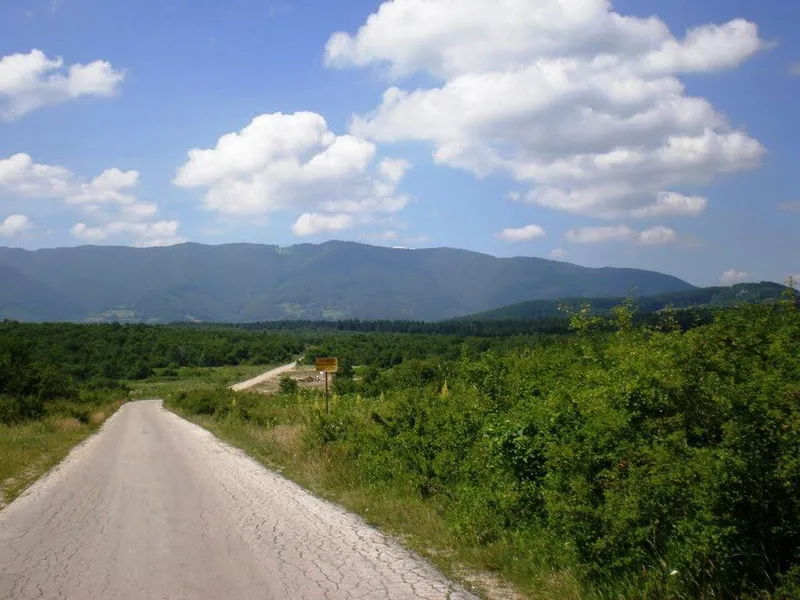
Janjske otoke lies about 9 kilometres from the centre of Šipovo and roughly 90 kilometres from Banja Luka. It sits right beside the road from Šipovo to Kupres, at about 550 metres above sea level and 4 kilometres downstream of the source of the Janj. It makes a good stop for travellers heading to the sea.
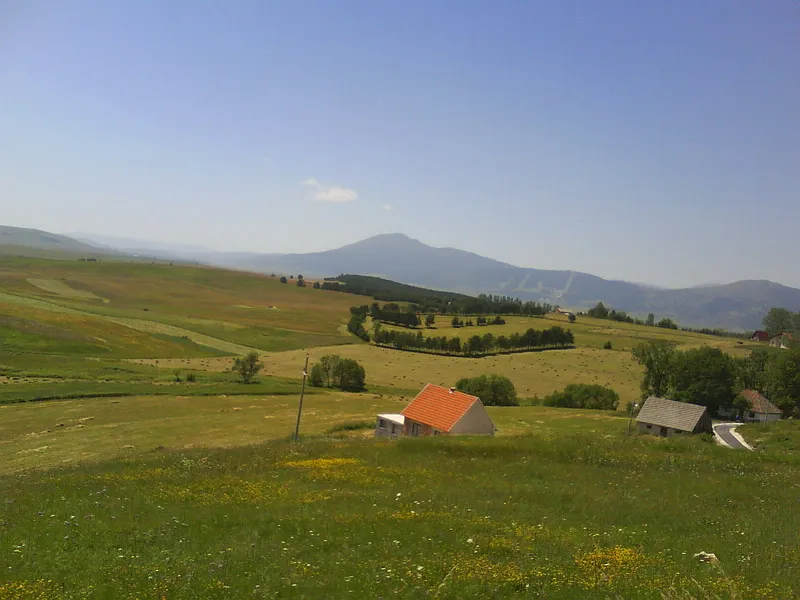
The area is a karst valley about 1 kilometre long and some 300 metres wide. Around it are villages such as Babići, Vagan, Strojice and Čuklić, which together make up the historical, geographical and cultural region of Janj. The ground is mostly limestone and dolomite, cut by tectonic fissures along which sinkholes, karst valleys, pits and caves have formed.
Tufa, cascades and mills
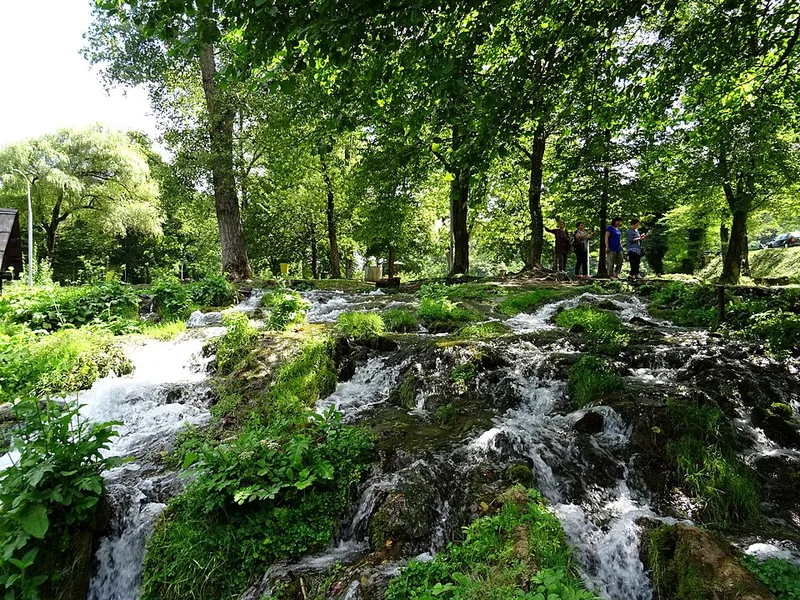
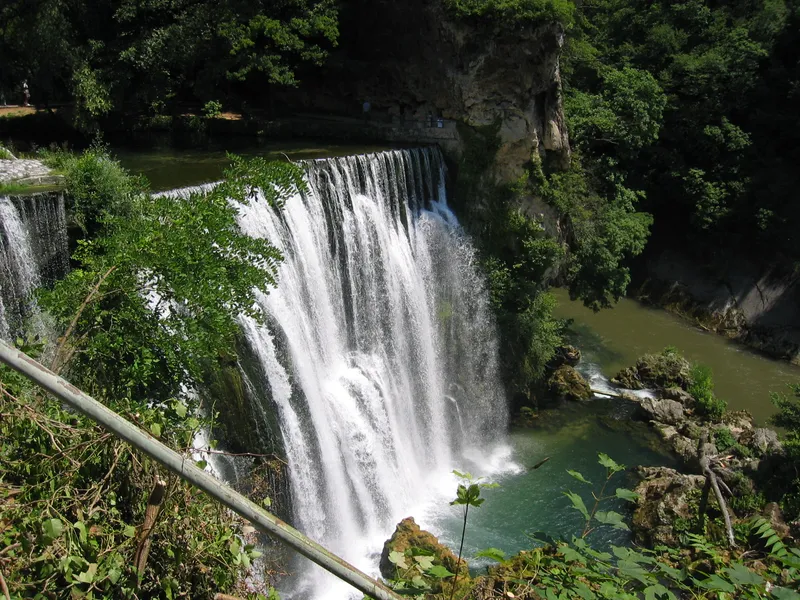
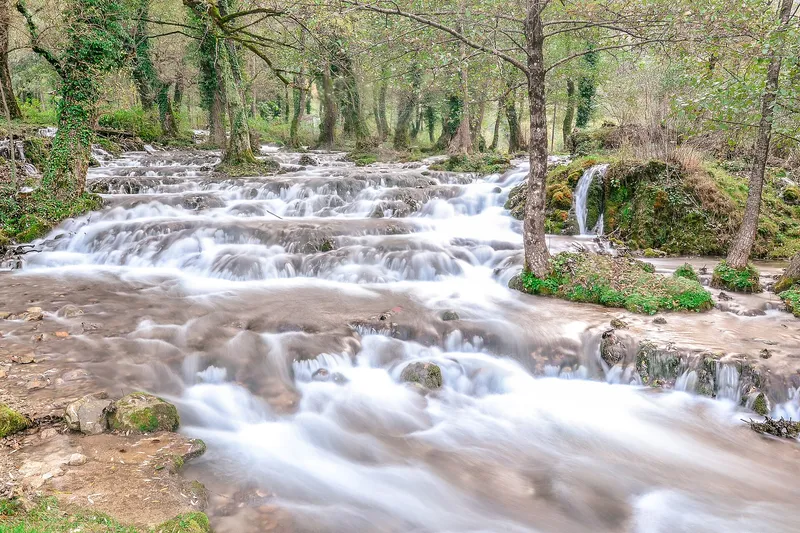
Here the Janj has laid down thick beds of tufa. Above them it splits into many channels and streams, rushing over tufa cascades and small waterfalls before gathering again into one tall, foaming fall. In summer a fine spray hangs in the air, in winter there is glittering hoar frost. Besides the many smaller cascades there are two waterfalls.
The islands between the channels are linked by wooden bridges. Older locals remember the place as a milling settlement: the force of the river drove numerous mills that supplied the whole area with flour. Many of them are gone today or no longer work, but some old mills on the channels are still part of the scene at Janjske otoke.
Forest, wildlife and the Janj primeval forest
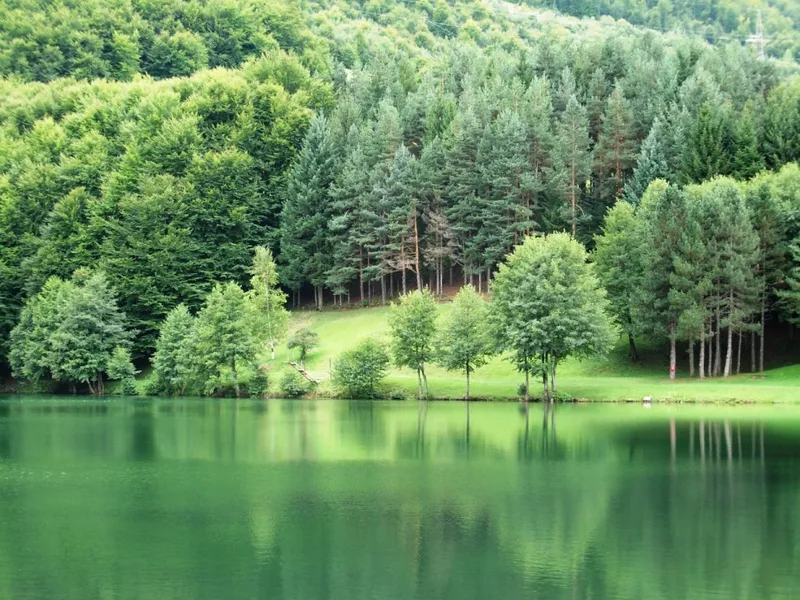
The natural environment around Janjske otoke is well preserved. The Janj holds trout and grayling, and the surrounding forests are home to hare, wolf, fox, brown bear, roe deer, wild boar and even lynx. Birds include hazel grouse, goshawk, falcon, eagle, pigeons and woodpeckers. The climate is temperate continental, and the clear, cold water of the Janj is refreshing on hot summer days. The area of the Pliva and Janj rivers is now under special protection.
Close by lies the Janj primeval forest, a strict nature reserve of 295 hectares in the municipality of Šipovo. Its core of 58 hectares has been off limits to any use since the 1960s. Beech and fir dominate, with maple, elm, ash and spruce. In 2021 the UNESCO World Heritage Committee added the Janj forest as a new component of the World Heritage site Ancient and Primeval Beech Forests of the Carpathians and Other Regions of Europe.
The Janj spring and Glogovac monastery
The Janj rises 13 kilometres south of the centre of Šipovo, below the Janj karst plateau, between the villages of Strojice and Babići. The spring lies at 612 metres in a deep, dark canyon, and from there the river flows 15 kilometres towards Šipovo. The spring can only be reached on foot, either from Babići or from the Šipovo–Kupres road via the village of Rasce. A hiking trail runs through the canyon, and the spring is a good place for a picnic.
Not far from Janjske otoke is the Serbian Orthodox monastery of Glogovac, about 15 kilometres south of Šipovo in the canyon of the Glogovac stream. It is dedicated to Saint George, and its origins are dated to the first half of the 14th century. Over its history it was destroyed several times, by the Ottomans in 1463 and again in the Second World War, and rebuilt each time. On the first Sunday after Pentecost the monastery hosts the traditional gathering known as the Janjski sabor.