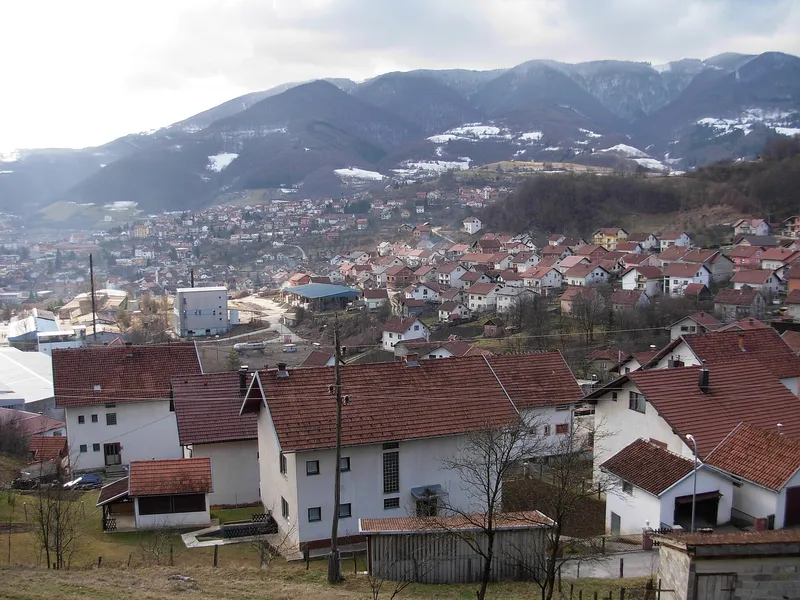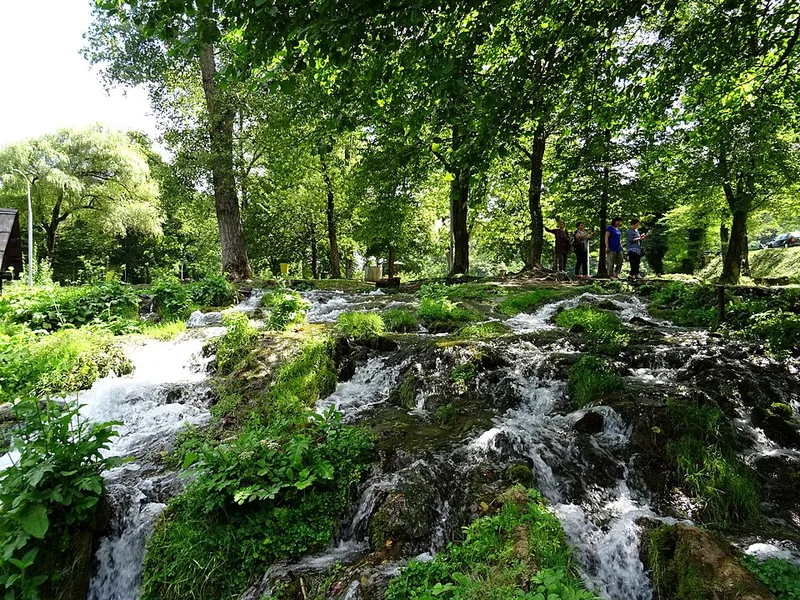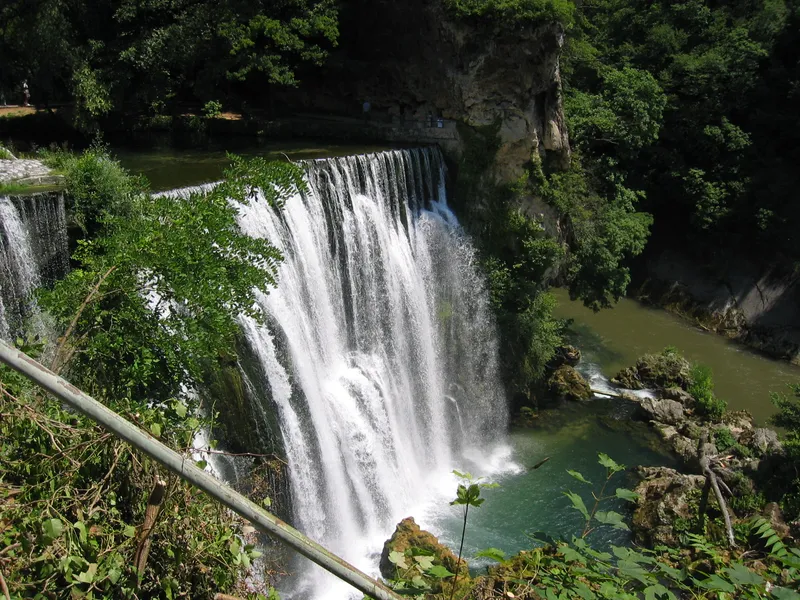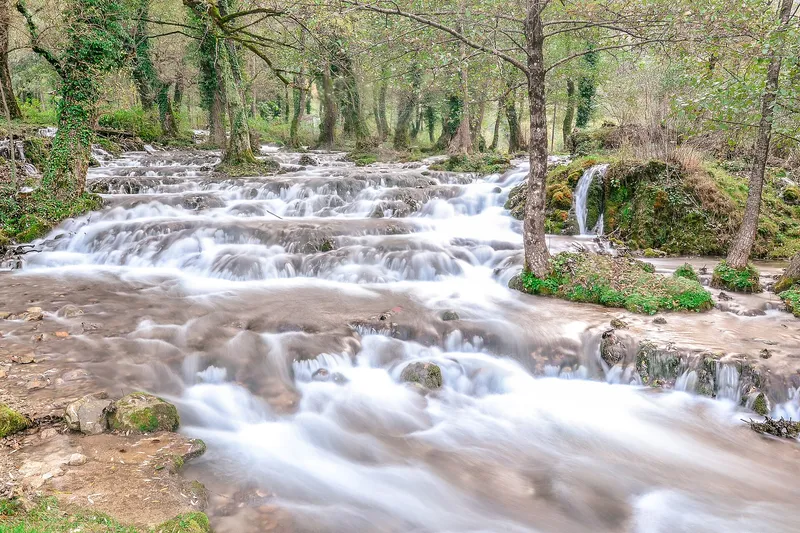
Two lakes on the slopes of Lisina
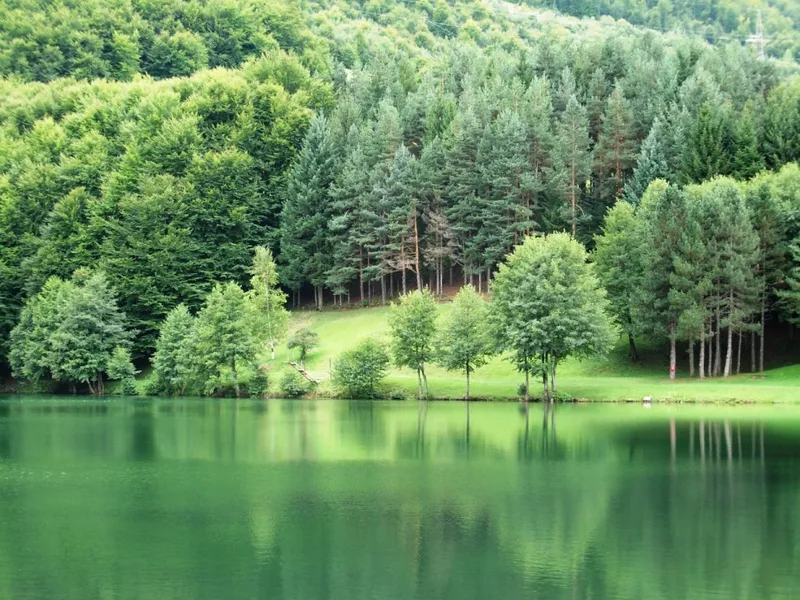
Balkana lies in the municipality of Mrkonjić Grad in western Bosnia and Herzegovina, about 4 kilometres from the town and 58 kilometres from Banja Luka, on the road from Jajce via Mrkonjić Grad to Bihać. It consists of two oval lakes at about 750 metres: the larger upper Veliko jezero and the smaller lower Malo jezero. Their water levels differ only slightly, and small outlets connect them. Together they cover 56,000 square metres.
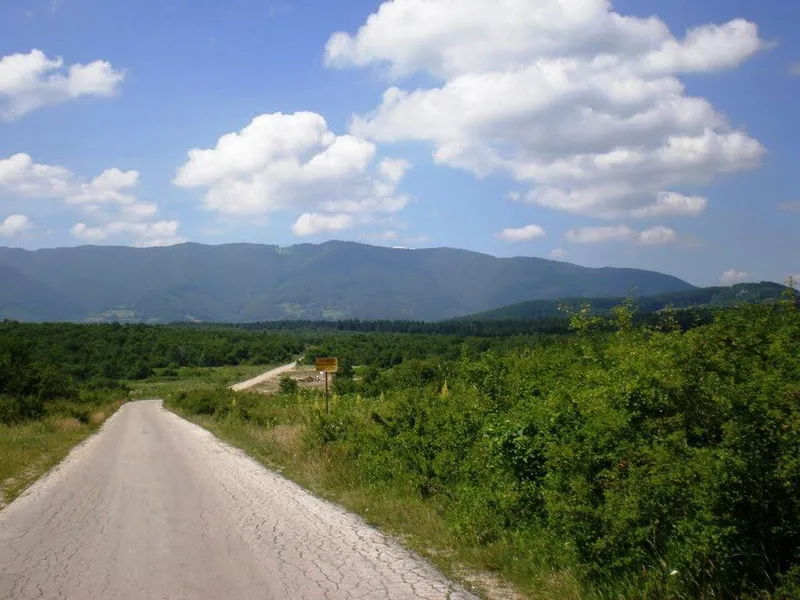
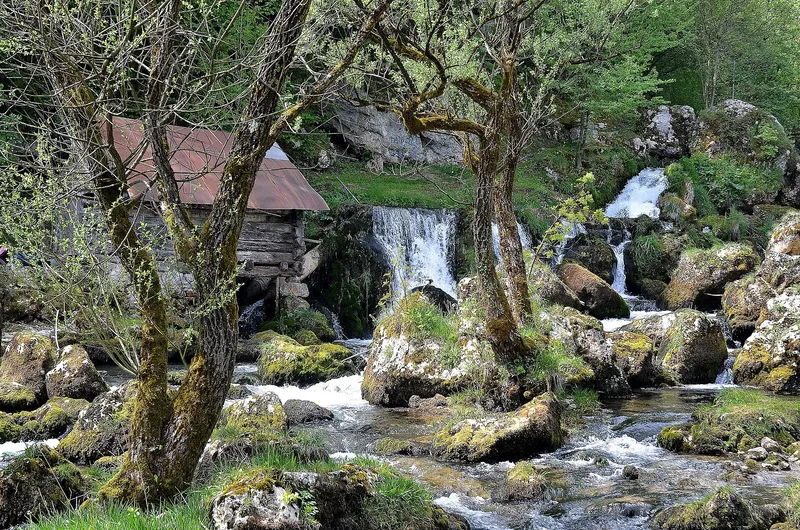
The lakes are fed by the mountain streams Cjepalo and Skakavac and by springs beneath the large lake. Their outflow is the Crna Rijeka, the Black River, which runs from south to north through Mrkonjić Grad and joins the Vrbas after 17 kilometres. Pastures and dense oak and conifer forests surround the lakes.
Swimming and fishing
The smaller lake is set up as a bathing area. In July and August its water is warm enough for a swim. The larger lake is rich in fish, including trout, grass carp and tench. In summer the lakes and their surroundings are well suited to both swimming and fishing.
Mount Lisina
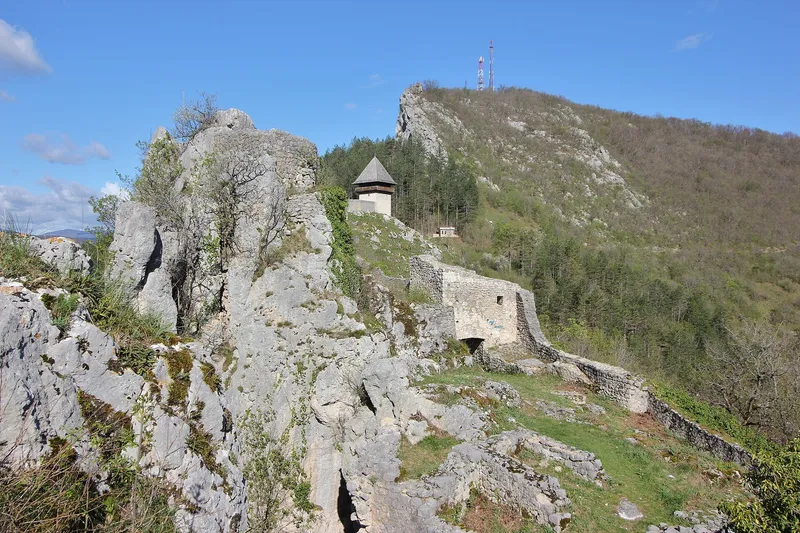
Lisina is a mountain of volcanic origin between the municipalities of Mrkonjić Grad and Šipovo, and its highest peak, Bandira, rises to 1,467 metres. Thanks to its geology it is rich in species. Studies have described more than 1,000 plant species, many fungi with abundant truffles, five fish species in the mountain streams and the Balkana lakes, 29 species of mammals and 107 bird species. Around 360 springs of drinking water rise on and around the mountain.
The slopes of Lisina are good for walking and hiking, and a ski run has been laid out on the Balkana grounds.
Name and traditions
Several legends about the name have survived. According to one, there were two strong, deep springs full of fish here. Since fish is baluk in Turkish, the springs were called Balukhana, ‘fish house’, and over time this turned into today’s name.
Toolmaking has a long tradition in the Mrkonjić Grad area, above all the making of the Varcarka scythe. Each year Balkana hosts a mowing festival dedicated to mowing by hand with the scythe.