Setting and landscape
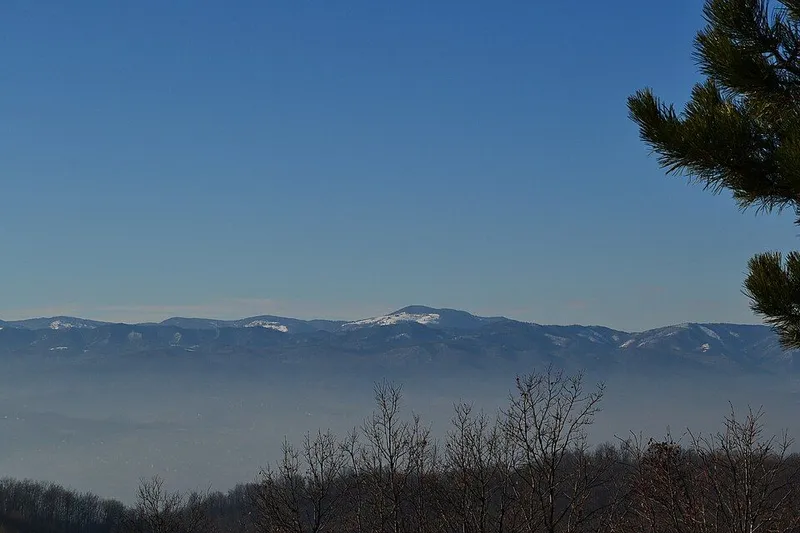
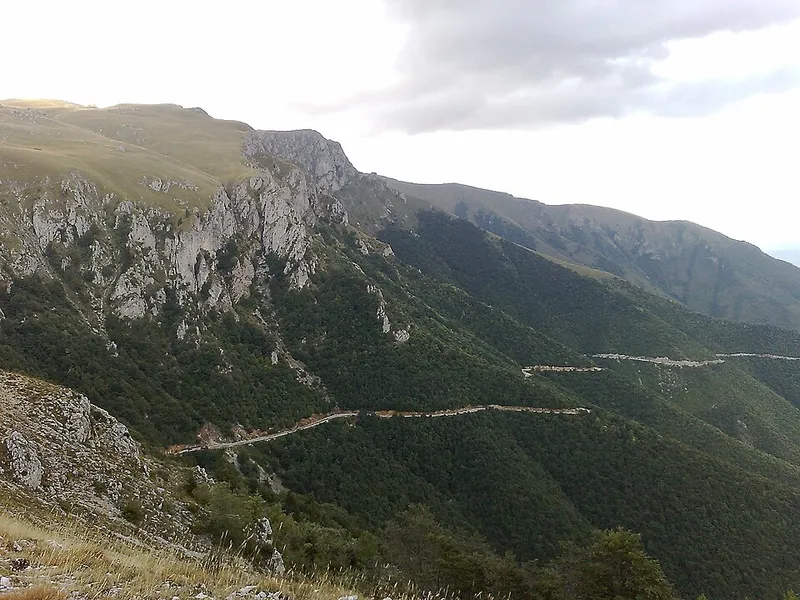
For Travnik, Vlašić is an excursion destination, a symbol and a landmark all at once: like a huge fortress, this high mountain barrier dominates the wide surroundings. With striking cliffs, above all the Devečanske stijene, it closes off the Lašva valley to the north. The range forms the watershed between the Vrbas to the west and the Bosna to the east, both of which flow into the Sava.
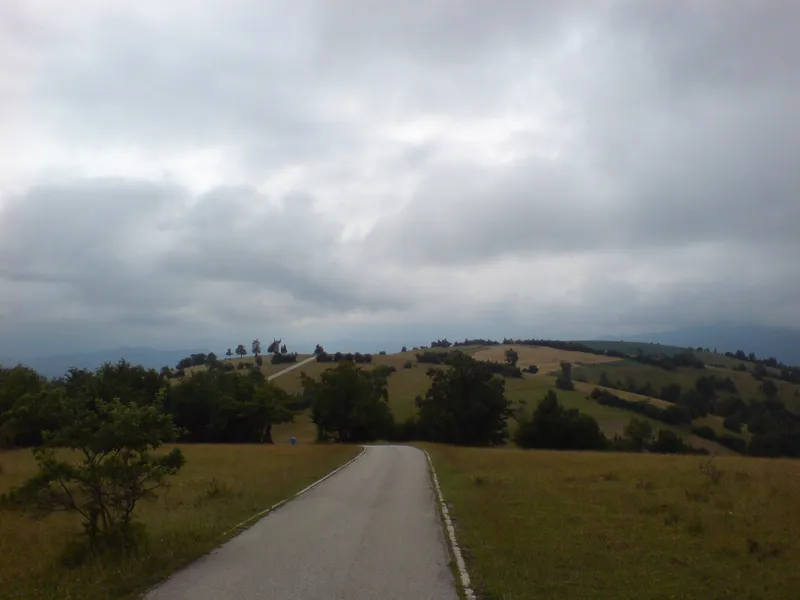
The main summit is called Paljenik, also known locally as Opaljenik, and carries a radio and television transmitter. From the Ljuta greda peak, a broad expanse of lush meadows stretches south towards Vlaška gromila and Paljenik.
Climate and winter
While Travnik has a moderate continental climate, winters on Vlašić are long, cold and snowy and summers fresh and short. Except in exceptional years, snow lies continuously on the plateau and at Babanovac for five months, from mid-November to mid-April. Stormy days are few, and the ski slopes are sheltered from stronger winds.
The Babanovac ski centre has slopes of varying difficulty for skiing, snowboarding and sledding. During the 1984 Winter Olympics in Sarajevo, the mountain served as a backup sports centre.
Shepherds, trade and history
The Illyrians were already driving their herds onto the Vlašić pastures, followed by the Slavs who settled here. The range owes its name to the Vlachs, descendants of a Romanised population. In the Middle Ages wool, leather, cheese and tallow were traded between Bosnia and Dubrovnik. Bosnian kings and nobles also came to the mountain, as place names such as Kraljica, Kraljevo Guvno and Kraljičina voda suggest.
In the medieval župa (county) of Lašva, several routes followed old Roman roads. The main route to the north-west led over Vlašić, Gostilj and Vitovlje to Banja Luka, with an inn at Vitovlje. During the Bosnian War, the mountain was fiercely contested because of its position above the Lašva valley.
Cheese, sheep and shepherd dogs
Vlašić or Travnik cheese is a mostly low-fat white cheese kept in brine. It is traditionally made from fresh sheep's milk, nowadays also from cow's milk or a mix of both, and ripens for two to three months. The milk owes its special flavour to the many herbs the sheep eat on the pastures. Scholars such as Marko Vego believe that the Vlachs came up with the recipe around the year 1000 or earlier. From early spring to late autumn, flocks of sheep graze the meadows south of Ljuta greda, which is also the centre of cheese production.
Two other trademarks of the region are the Pramenka sheep and the Tornjak, a shepherd dog that has protected flocks from wolves and bears for centuries.
Hiking and nature
In 1932 the first mountain hut on Vlašić opened at Devečani, and the first skiers arrived along with the mountaineers. A mountain lodge on Galica followed in 1946. Since then Vlašić has been a meeting point for hikers, with many marked trails; climbers, cyclists and herb gatherers come here too.
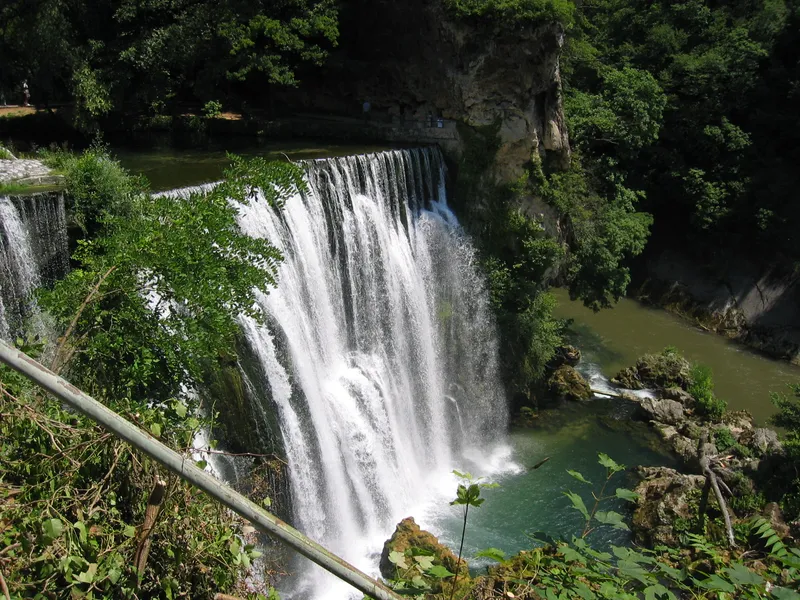
Two waterfalls on the Pljačkavac stream are listed as a geomorphological natural monument. On the Ilomska, two waterfalls lie one above the other and freeze in winter. The endemic rose Rosa Brandis grows on Vlašić, and the rare blind mole-rat lives on its pastures.